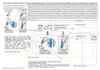
April 2023 in “The journal of investigative dermatology/Journal of investigative dermatology” This study found that using trypsin digestion to extract keratinocytes from the hair follicle bulge results in a higher yield and faster growth of stem keratinocytes compared to the explant method.
8 citations
,
April 2009 in “International journal of oncology” This study found that bulge-derived keratinocytes from human follicles were more resistant to differentiation compared to epidermal keratinocytes, possibly due to WIF-1 involvement.
6 citations
,
January 2010 in “Journal of Biochemical and Molecular Toxicology” This study found that the ID2 gene was highly expressed in bulge-derived keratinocytes when exposed to contact sensitizers and may serve as a marker to distinguish sensitizers from irritants during in vitro testing.
11 citations
,
February 2020 in “Journal of Biomaterials Science Polymer Edition” This study explored the development of GelMet, an electrospun hybrid nanofiber scaffold made from gelatin and PEG methacrylate, which demonstrated strong mechanical properties and effectively supported cell growth in vitro, suggesting its potential for skin tissue engineering applications.
1 citations
,
February 2025 in “International Journal of Molecular Sciences” This study found that an enzymatic digestion method for isolating hair follicle stem cells from scalp specimens yielded 5.3 times more epithelial cells than explant cultures, while supporting comparable cell functionality, offering a promising technique for tissue engineering and regenerative medicine.