 140 citations
,
April 2004 in “The journal of investigative dermatology/Journal of investigative dermatology”
140 citations
,
April 2004 in “The journal of investigative dermatology/Journal of investigative dermatology” This study found that mice lacking the 1αOHase enzyme, which is responsible for producing a key vitamin D metabolite, showed impaired epidermal differentiation and delayed recovery of skin barrier function after disruption.
 6 citations
,
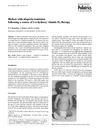
August 1989 in “European journal of pediatrics”
6 citations
,
August 1989 in “European journal of pediatrics” This case study describes a child with rickets and alopecia who responded to a small dose of 1-a-hydroxyvitamin D3, but her alopecia remained unchanged despite treatment.
 4 citations
,
January 2017 in “Journal of pediatric endocrinology & metabolism/Journal of pediatric endocrinology and metabolism”
4 citations
,
January 2017 in “Journal of pediatric endocrinology & metabolism/Journal of pediatric endocrinology and metabolism” This study identified two distinct VDR gene mutations among Lebanese families with hereditary vitamin D-resistant rickets, noting varied treatment responses and promising outcomes despite severe phenotypes.
23 citations
,
October 2009 in “Gastroenterology” This article reviews the multifaceted roles of vitamin D beyond bone health and notes its potential involvement in reducing risks of certain cancers and autoimmune diseases, but it presents no new clinical results.
 17 citations
,
April 2007 in “Kidney international”
17 citations
,
April 2007 in “Kidney international” This study found that 1,25 dihydroxyvitamin D3 significantly increased the expression and activity of vasculoprotective natriuretic peptide receptor-A in cultured inner medullary collecting duct cells, suggesting a potential mechanistic role in cardiovascular and renal benefits.