Weird response to microneedling Microneedling 1/3/2025
Microneedling can cause sneezing and eye tearing due to nerve stimulation, particularly near the temples and forehead. Some users find it lessens over time, while others prefer using finasteride and minoxidil for hair growth.
View this post in the Community →
Similar Community Posts Join
5 / 5 resultscommunity 18 Months Minoxidil 5% Before & After
The user used Minoxidil 5% for 18 months, seeing improved hair density but no change in the crown area. They are cautious about using Finasteride again due to past gynecomastia.
community Microneedling must reach the stem cells in the upper hair shaft
Microneedling should target depths of 0.5mm to 1.5mm for hair loss, with weekly sessions at 1mm recommended. Combining microneedling with Minoxidil is common for improved results.
community Regrowth with only Nizoral and Lifestyle Changes; focusing on scalp health & nervous system
The user reported subtle hair regrowth by focusing on scalp health and lifestyle changes, using Nizoral shampoo and methods to reduce inflammation and cortisol, without using finasteride, minoxidil, or other common treatments. Opinions in the conversation varied, with some skeptical of the results and others acknowledging the potential benefits of addressing scalp health and inflammation.
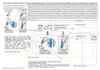
community Compressed part of research of theory of androgenic/anabolitic balance. AGA h-responders analytic. Theory of physio-metabolitic method of anti AGA treatment
The treatment for androgenetic alopecia involves using finasteride and minoxidil with intense exercise and cold exposure to boost metabolism and reduce androgenic effects, potentially leading to hair regrowth. This approach may activate biological pathways for improved hair and overall health.
community Hair loss research focused on chemistry for decades because we misunderstood the mechanics of growth.
Hair growth relies on mechanical forces, not just chemicals, with tissue acting like a motor. Minoxidil and finasteride help, but maintaining tissue elasticity and addressing mechanical issues are essential.
Related Research
6 / 6 resultsresearch Review of Human Hair Follicle Biology: Dynamics of Niches and Stem Cell Regulation for Possible Therapeutic Hair Stimulation for Plastic Surgeons
This review discusses the latest understanding of androgenetic alopecia, including stem cell niches in hair follicles, and highlights emerging treatments like growth factors and platelet-rich plasma without new clinical findings.
research Safety concerns when using novel medications to treat alopecia
This review discusses the safety concerns associated with new treatments for non-scarring alopecias, highlighting that while these therapies such as JAK inhibitors and oral minoxidil show efficacy in hair regrowth, their safety profiles vary significantly, requiring careful consideration of benefits and risks.
research Functional hair follicle regeneration: an updated review
This review discusses potential cell sources and bioengineering strategies for regenerating hair follicles with functional cycling, reporting no new results.
research Hair Loss in Men and Women
The document concludes that ongoing medical therapy is crucial for preventing hair loss, and surgical options can restore hair, with future treatments for hair loss being promising.
research Status of research on the development and regeneration of hair follicles
This review examines the mechanisms of hair follicle development and regeneration, discussing current hair loss treatments and emerging therapies like low-level laser therapy and stem cell therapy, which the authors suggest show promise in managing hair loss.
research Potential application of PBM use in hair follicle organoid culture for the treatment of androgenic alopecia
This article discusses photobiomodulation as a potential adjunct to hair follicle organoid culture for androgenic alopecia, reporting no new results and suggesting further study is needed.