Coffee and androgenetic alopecia Research/Science 5/28/2023
The conversation discusses a claim that avoiding coffee can lead to significant hair regrowth in individuals with androgenetic alopecia. Participants are skeptical, with some sharing personal anecdotes that contradict the claim, and others discussing the potential role of caffeine in hair loss and the effectiveness of other treatments like finasteride and minoxidil.
View this post in the Community →
Similar Community Posts Join
5 / 1000+ resultscommunity 24M seeking help for aggressive androgenetic alopecia - "nuke" stack?
A 24-year-old male with aggressive androgenetic alopecia is using 1mg finasteride daily and considering a treatment stack including 0.5mg dutasteride, 2.5mg oral minoxidil, ketoconazole shampoo, Alpecin caffeine shampoo, and RU58841. He seeks advice on the safety and effectiveness of these treatments and whether any adjustments are needed.
community A meta analysis of 18 popular hair loss treatments. An 2022 guide on efficacy. From finasteride and minoxidil to caffeine shampoo, saw palmetto and biotin. 96 Scientific References included.
Most hair loss treatments are ineffective; only finasteride, dutasteride, and minoxidil show effectiveness.
community The Real Cause Of Androgenetic Alopecia
Androgenetic alopecia is caused by DHT affecting hair growth. Finasteride and minoxidil are used to manage hair loss by blocking DHT and promoting hair growth.
community C’est terrible - at my wits end
A 29-year-old woman is experiencing gradual hair thinning since age 15, suspects Androgenic Alopecia, and has tried 5% minoxidil with little success. She has purchased various hair loss treatments including minoxidil, dutasteride, finasteride, and spironolactone, but is cautious about starting them due to potential interactions with her ADHD medication.
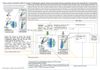
community Compressed part of research of theory of androgenic/anabolitic balance. AGA h-responders analytic. Theory of physio-metabolitic method of anti AGA treatment
The treatment for androgenetic alopecia involves using finasteride and minoxidil with intense exercise and cold exposure to boost metabolism and reduce androgenic effects, potentially leading to hair regrowth. This approach may activate biological pathways for improved hair and overall health.
Related Research
6 / 1000+ results
research Androgenetic alopecia: may growth factor mimetic oligopeptides supplement minoxidil and finasteride therapy?
Certain peptides, caffeine, taurine, and an iron complex may improve hair regrowth when used with minoxidil and finasteride for hair loss.
research Androgenetic Alopecia: Therapy Update
There are many treatments for common hair loss, but more trials are needed to decide which are best.
research Evidence-based (S3) guideline for the treatment of androgenetic alopecia in women and in men
Use minoxidil for hair loss; finasteride and dutasteride for men, dutasteride for women.
research Androgenetic, Diffuse and Senescent Alopecia in Men: Practical Evaluation and Management
The conclusion is that treatments like finasteride and minoxidil can prevent baldness progression and improve hair density, but more research is needed on other therapies.
research Evidence-based (S3) guideline for the treatment of androgenetic alopecia in women and in men – short version
Use minoxidil for hair loss treatment; assess results after 6 months.

research A Canadian Consensus on Androgenetic Alopecia: Approach and Management
Experts recommend specific treatments like minoxidil and finasteride for managing hereditary hair loss.