Topical Fin increased hairloss Finasteride/Dutasteride 5/23/2026
The user experienced increased hair loss with topical finasteride and is considering switching to oral finasteride. Others shared mixed experiences, with some suggesting oral finasteride is more effective, while others noted individual results vary.
View this post in the Community →
Similar Community Posts Join
6 / 6 resultscommunity Crown Recovery 9 Months into Fin/Min (Keep Going Boys)
The user experienced significant hair regrowth on the crown after 9 months of using oral finasteride and minoxidil, with no side effects. They switched from topical to oral treatments for better results and recommend using a DHT blocker like finasteride for androgenic alopecia.
community Hair loss steps, guide to beginners or anyone experiencing hair loss
The conversation discusses a hair loss treatment regimen involving finasteride, dutasteride, spironolactone, bicalutamide, oral estradiol, microneedling, and minoxidil. The regimen aims to reduce androgenic alopecia by blocking DHT and androgens, with a caution about potential feminizing effects.
community Are there ever going to be any oral DHT blocking treatments in the future?
The discussion revolves around the need for future oral DHT blockers for hair loss treatment that don't have the side effects of current options like Finasteride and Dutasteride. One user suggests that the future of hair loss treatment will likely be topical anti-androgens, as they can target hair follicles without affecting the entire system.
community I don’t think my hair loss is caused by DHT – quitting finasteride after 3 months (1 mg). Need opinions
The user plans to stop finasteride after three months, believing hair loss isn't due to DHT, and will continue with oral minoxidil, microneedling, and ketoconazole shampoo. They suspect stress and poor nutrition are the main causes and seek opinions on DHT blockers' effectiveness.
community 1year Fin -> 1 year DUT + oral Minox; No results :(
The user tried finasteride, dutasteride, and oral minoxidil for hair loss with no success and was diagnosed with androgenetic alopecia. They are considering increasing dosages and trying other treatments like RU58841, GHK-CU, and clascoterone, while seeking further medical opinions.
community Finasteride after 6 months of use. Progress(?) pictures
A 27-year-old male with androgenetic alopecia has been using finasteride, topical minoxidil, and microneedling for over six months to stabilize hair loss and prepare for a potential hair transplant. While some users suggest switching to dutasteride and increasing minoxidil usage, others note minimal progress, with some hair stabilization but concerns about thinning at the crown.
Related Research
6 / 6 resultsresearch Faculty Opinions recommendation of Topical finasteride for the treatment of male androgenetic alopecia and female pattern hair loss: a review of the current literature.
Topical finasteride is promising for hair loss with minimal side effects but needs more research and approval.

research How to treat androgenetic alopecia – the most common form of hair loss. A review
This review outlines current treatments for androgenetic alopecia, highlighting the efficacy and side effects of FDA-approved options like minoxidil and finasteride, and emphasizes the necessity of long-term use and careful patient collaboration to avoid adverse reactions.
research Astragalus membranaceus and Cinnamomum cassia Stimulate the Hair Follicle Differentiation-Related Growth Factor by the Wnt/β-Catenin Signaling Pathway
In this study, researchers observed that the YH complex, made from Astragalus membranaceus and Cinnamomum cassia, promoted hair regrowth and increased hair shaft thickness in mice, potentially through increased growth factors and Wnt/β-catenin signaling, suggesting its use for treating various forms of hair loss.
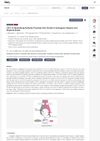
research CXCL12 Neutralizing Antibody Promotes Hair Growth in Androgenic Alopecia and Alopecia Areata
This study found that subcutaneous injection of a CXCL12 neutralizing antibody significantly promoted hair growth in androgenic alopecia and inhibited hair loss in alopecia areata in mouse models, suggesting its potential as a promising treatment for hair loss.
research Hair Thickness Growth Effect of Adenosine Complex in Male-/Female-Patterned Hair Loss via Inhibition of Androgen Receptor Signaling
In this study, researchers found that topical treatment with adenosine improved hair growth and thickness by significantly increasing hair density and thickness after four months in vivo, with results comparable to minoxidil, potentially due to adenosine's anti-androgenic effects.

research The medicinal activity of lyophilized aqueous seed extract of Lepidium sativum L. in an androgenic alopecia model
This study found that Lepidium sativum seed extract showed potential in treating alopecia in rats by reducing 5(alpha)-dihydrotestosterone levels and improving hair length compared to minoxidil.