Topical Dutasteride usage plan + build up prevention 11/23/2025
The conversation discusses using a 0.03% topical Dutasteride solution for hair loss, as it may be more effective than Finasteride with fewer systemic side effects. OP plans to apply it daily for 100 days, then reduce frequency, due to past negative cognitive effects from oral treatments.
View this post in the Community →
Similar Community Posts Join
5 / 5 resultscommunity What happened to topical dutasteride??
Topical dutasteride is considered for hair loss, but concerns about systemic absorption and side effects like reduced libido are common. Users have mixed results, with some preferring oral finasteride or dutasteride despite side effects, while others find topical treatments beneficial but challenging.
community Topical Dutasteride & Microneedling Works
Topical dutasteride, especially at higher concentrations, can be effective for hair loss when combined with microneedling to enhance absorption. Users discuss the side effects of finasteride and dutasteride, with some preferring topical treatments to avoid systemic side effects.
community Non-systemic hair loss stack, is there any hope?
A 19-year-old is experiencing hair thinning and has tried various doses of oral and topical finasteride but faced psychological and sexual side effects. They are considering topical anti-androgens like KX826, ketoconazole cream, and RU58841 as alternatives, while others suggest clascoterone and topical dutasteride.
community Topical dutasteride is superior to oral finasteride
Topical dutasteride is more effective than oral finasteride for male pattern hair loss, with fewer side effects. Some prefer oral treatments for convenience, while others use topical solutions like minoxidil and dutasteride, sometimes with microneedling, for better results.
community Crazy idea: creatine + topical finasteride
Using topical finasteride with creatine might help reduce hair loss by targeting local DHT while maintaining normal systemic levels, but results are uncertain without testing. Users report mixed experiences with topical treatments like finasteride, dutasteride, RU58841, and minoxidil, with some seeing regrowth and others experiencing side effects.
Related Research
6 / 6 results
research Astragalus membranaceus and Cinnamomum cassia Stimulate the Hair Follicle Differentiation-Related Growth Factor by the Wnt/β-Catenin Signaling Pathway
In this study, researchers observed that the YH complex, made from Astragalus membranaceus and Cinnamomum cassia, promoted hair regrowth and increased hair shaft thickness in mice, potentially through increased growth factors and Wnt/β-catenin signaling, suggesting its use for treating various forms of hair loss.
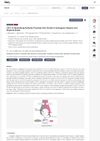
research CXCL12 Neutralizing Antibody Promotes Hair Growth in Androgenic Alopecia and Alopecia Areata
This study found that subcutaneous injection of a CXCL12 neutralizing antibody significantly promoted hair growth in androgenic alopecia and inhibited hair loss in alopecia areata in mouse models, suggesting its potential as a promising treatment for hair loss.
research Investigating the Safety and Efficacy of Platelet-Rich Plasma (PRP) Treatment for Female Androgenetic Alopecia: Review of the Literature
This review discusses the use of platelet-rich plasma for treating female androgenetic alopecia, reporting that it shows high patient satisfaction and improved quality of life in affected women.
research Minoxidil: a comprehensive review
This study reported that while topical minoxidil exhibits hair regrowth in androgenetic alopecia, oral minoxidil 5 mg/day was more effective than topical forms after six months, with low doses also potentially effective for women and other hair loss types.

research A review of hormonal therapy for female pattern (androgenic) alopecia - eScholarship
This review explores potential treatments for female androgenetic alopecia, noting that anti-hormonal therapies may be beneficial for some women, but emphasizes the need for further research and effective solutions.
research Efficacy and Safety of Oral Minoxidil 5 mg Once Daily in the Treatment of Male Patients with Androgenetic Alopecia: An Open-Label and Global Photographic Assessment
This study found that low-dose oral minoxidil 5 mg daily significantly increased hair growth in men with androgenetic alopecia over 24 weeks, with increased hair count and vertex area improvement, though most experienced hypertrichosis and some had pedal edema.