Oral minoxidil & creatine - question 9/15/2021
Oral minoxidil users discuss whether a diuretic is necessary to manage water retention, especially when also taking creatine. Some users report no issues taking both without a diuretic.
View this post in the Community →
Similar Community Posts Join
5 / 5 resultscommunity Creatine's effect on Hair Loss and DHT
A 21-year-old male managed to control his hair loss using Nizoral, RU58841, and finasteride, but experienced increased scalp itchiness after starting creatine, which subsided upon stopping creatine. Users shared mixed experiences on whether creatine affects hair loss, with some reporting negative effects and others seeing no change or defending its benefits.
community Low-Dose Oral Minoxidil Does Not Significantly Affect BP
Low-dose oral minoxidil is used for hair loss and does not significantly affect blood pressure but may increase heart rate and cause hypotensive symptoms. Some users experience side effects like palpitations and shortness of breath, while others find it effective; topical minoxidil with tretinoin is also considered.
community Is it okay to start oral minoxidil with creatine?
Oral minoxidil and creatine can be used together, but it's advised to start one at a time to monitor side effects. Creatine may increase DHT levels, potentially causing more hair shedding, while minoxidil can lower blood pressure, so hydration and monitoring for dizziness are important.
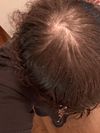
community On Creatine and Minoxodil for 1 week, quick shedding or progressing MPB
A 24-year-old man is experiencing hair shedding after starting Minoxidil and Creatine, and is concerned about accelerated hair loss. A user suggests that Creatine does not increase DHT levels and recommends considering oral Dutasteride, low-dose oral Minoxidil, and Ciclopirox Shampoo, advising consultation with a doctor.
community Creatine 5mg and oral finasteride
Taking creatine does not affect the effectiveness of finasteride for hair loss. Users generally agree that creatine is safe to use alongside finasteride and minoxidil.
Related Research
6 / 6 resultsresearch Atypical Case of Minoxidil-Induced Generalized Anasarca and Pleuropericardial Effusion
This case report discusses minoxidil-induced anasarca as a potential side effect in patients using minoxidil for hypertension, emphasizing the importance of recognizing it for early diagnosis and management.
research Lipid nanocarriers as innovative strategies for hair regrowth
This review discusses current treatment strategies for alopecia and highlights the potential of lipid-based nanoparticles to improve drug delivery to the scalp and hair follicles, noting their ability to enhance skin penetration and drug stability while outlining associated challenges and the need for further research.
research Alopecia: unapproved treatments or indications
This study developed a method using HPLC with UV-DAD and ESI-MS detection to identify prohibited substances like minoxidil and hormones in cosmetic products advertised online for hair loss and skin conditions.
research K channel therapeutics at the bedside
This article reviews the therapeutic potential of potassium channel openers for various conditions related to metabolic distress but does not report new clinical results; it emphasizes the need for further research.
research Clinical Trials and Hair Loss
This review explores the current treatments for different types of alopecia, emphasizing the need for well-designed clinical trials and highlighting that most therapies are used off-label, as only androgenetic alopecia has FDA-approved drugs.
research Potassium channel openers: therapeutic potential in cardiology and medicine
This review discusses the therapeutic potential of potassium channel openers for various conditions, but notes that their clinical role is not yet fully established.