Miniaturization or regrowth? How can I tell them apart? Treatment 1/13/2026
The user has been using finasteride for 16 months, minoxidil for 11 months, and started microneedling 2 months ago, experiencing shedding phases. They are questioning whether they are experiencing miniaturization or regrowth.
View this post in the Community →
Similar Community Posts Join
5 / 5 results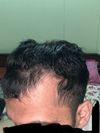
community 26M with 2 Years of Minoxidil & Microneedling, Hairline Worsening, Need Advice on Finasteride
A 26-year-old male has been using minoxidil and finasteride for two years, with added microneedling, but is concerned about worsening hairline and seeks advice on whether to continue treatment. A user suggests patience, as results can take 6-12 months, and the appearance of baby hairs might indicate regrowth.
community finastride and minxidil have changed my life
A user shared their positive experience with hair regrowth using 1mg finasteride and 5% topical minoxidil daily, showing significant improvement in hair density over six months. The conversation includes supportive comments and questions about the treatment details, such as whether finasteride was taken orally or topically and if microneedling was used.
community 11 weeks progress microneedling, is there some regrowth ?
A 22-year-old has been using minoxidil and finasteride for four years with limited success and recently added microneedling to their regimen. They have seen some hair regrowth and are advised to continue using minoxidil alongside microneedling and consider lifestyle factors like diet and stress.
community Does the halt and continuation in using minoxidil affect the regrowth the 2nd time around?
Stopping and restarting minoxidil can lead to slower regrowth due to continued hair miniaturization during the break. The user is currently using dutasteride, microneedling, and Kirkland topical minoxidil to address hair loss.
community Minoxidil is working for me – just 3 months in! (No fin, no microneedling
A 36-year-old experienced slow, diffuse hair thinning over 15 years and saw significant improvement using 5% topical minoxidil alone for 3 months, without finasteride or microneedling. The user is pleased with the results, noting increased hair density and no visible scalp, and plans to continue monitoring progress without using hormone-affecting treatments.
Related Research
6 / 6 results
research Male Androgenetic Alopecia - A Review of Current Treatments
This study reviewed treatments and findings related to male androgenetic alopecia, noting that topical minoxidil and oral finasteride are effective for slowing hair loss, while newer interventions like PRP and microneedling show promise.

research Male Androgenetic Alopecia - A Review of Current Treatments
This review discusses the epidemiology, pathophysiology, diagnosis, and management of male androgenetic alopecia, noting that combination treatments, including FDA-approved and emerging therapies, may improve outcomes without added side effects.

research The rise of transcutaneous drug delivery for the management of alopecia: a review of existing literature and an eye towards the future
This study reviewed eight studies investigating transcutaneous drug delivery via fractional laser and microneedling for alopecia treatment, with six studies showing improved hair regrowth over topical therapy alone, suggesting its potential as a promising treatment strategy, although further research is needed to refine treatment parameters.

research Advances in hair growth
This review discusses recent advances in understanding hair growth mechanisms and reviews current and emerging therapies, but it presents no new clinical results.

research Safety concerns when using novel medications to treat alopecia
This review discusses the safety concerns associated with new treatments for non-scarring alopecias, highlighting that while these therapies such as JAK inhibitors and oral minoxidil show efficacy in hair regrowth, their safety profiles vary significantly, requiring careful consideration of benefits and risks.

research Perifollicular Fibrosis in Androgenetic Alopecia
This narrative review highlights current insights into how perifollicular fibrosis contributes to androgenetic alopecia, by hindering hair regrowth and treatment response, and outlines potential antifibrotic therapies, though conclusive evidence from randomized controlled trials is still needed.