How do you guys apply topicals every single day? Minoxidil 8/28/2024
The user is struggling with the daily application of topical treatments like Minoxidil and melatonin for hair loss, concerned about the impact on hair cleanliness and texture. They are unsure how to manage the routine without washing their hair daily, which dries it out.
View this post in the Community →
Similar Community Posts Join
6 / 6 resultscommunity My Theory Of Androgenic Alopecia
Hair loss is linked to cellular physiology and the IGF-1 to TGF-B1 ratio, not just androgen sensitivity. The theory lacks evidence, while finasteride and minoxidil are effective treatments.
community What do you think about this? he says one of the causes of pattern hair loss is scars and it can be fixed
The conversation discusses hair loss treatments, focusing on insulin resistance, microneedling with topical melatonin, and stress reduction. Users express skepticism about the advice, preferring proven treatments like minoxidil and finasteride, while some mention alternative methods like dermal incisions and verteporfin for reducing fibrosis.
community Exploring Bryan Johnson's Hair Routine In Detail
Bryan Johnson uses a custom hair loss treatment that includes topical finasteride, minoxidil, azelaic acid, diclofenac, tea tree oil, rosemary oil, ginkgo biloba, biotin, and melatonin, which have shown varying degrees of effectiveness with minimal side effects. He also undergoes PRP and laser therapy, and has tried dutasteride mesotherapy.
community Anyone here in the 0% like me?
The user has tried topical minoxidil, oral minoxidil, finasteride, RU58841, and dermapen for over a year without seeing hair regrowth and has now switched to dutasteride, planning to continue until summer. Some responses suggest that no further hair loss could be considered progress, question the visibility of hair loss, and recommend trying vitamin D.
community Creatine Doesn’t Cause Hair Loss: Stop the BS
Creatine does not cause hair loss, despite many users reporting personal experiences of hair shedding. Scientific evidence shows no link between creatine and increased hair loss or hormone changes.
community Next month marks 2 years on Dutasteride. When does it start working?
A user has been on dutasteride for nearly 2 years with no improvement in hair loss, expressing frustration. Other users suggest checking for other health conditions, getting bloodwork, and considering stopping TRT or trying finasteride.
Related Research
6 / 6 resultsresearch Expert opinion on current and emerging treatment options in androgenetic alopecia and telogen effluvium: an Indian perspective
This article summarizes expert opinions from Indian dermatologists on managing androgenetic alopecia and telogen effluvium, emphasizing varied treatments based on individual patterns and responses.

research HAIR LOSS AND REGENERATION PERFORMED ON ANIMAL MODELS
This article reviews current research on animal models for hair regrowth treatments and reports no new findings; it highlights the need for studies comparing therapy efficiency and long-term safety.
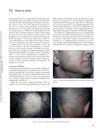
research Alopecia areata
Alopecia areata is a common autoimmune condition causing varying hair loss, diagnosed by specific patterns of inflammation around hair follicles, with several treatment options available.

research Proceedings of the Ninth World Congress for Hair Research (2015)
This report discusses the Ninth World Congress for Hair Research and highlights the potential of hair follicle studies to advance understanding of various diseases, with no new clinical results presented.
research Female pattern hair loss—An update
This article discusses the causes, diagnosis, and treatment options for female pattern hair loss, emphasizing the role of topical minoxidil as a primary treatment, but provides no new clinical results.
research Neuroimmunology of Stress: Skin Takes Center Stage
This review discusses the brain-skin connection, the skin's role in stress response, and highlights unmet challenges in understanding stress-induced skin inflammation but reports no new experimental findings.