Finasteride and male phenotypes 6/12/2015
Finasteride's effectiveness and side effects may vary based on male phenotypes, with some users noting differences in response related to body and facial hair characteristics. Some users report success with lower doses, while others experience side effects, suggesting individual variability in response to the treatment.
View this post in the Community →
Similar Community Posts Join
5 / 5 resultscommunity Minox 3mg, Finasteride 1.2mg (6 month perfect adherence)
Significant hair improvement was achieved using 3mg Minoxidil and 1.2mg Finasteride over six months, with no side effects, leading to reconsideration of a hair transplant. A detailed skincare routine, including tretinoin and SPF, also improved skin appearance.
community Why do we have head hair in first place if we evolved to start losing it in some cases as soon as puberty hits
Hair loss is influenced by genetics and sensitivity to hormones like DHT. Treatments like Minoxidil and finasteride are commonly used, and baldness persists as it doesn't affect reproductive success.

community If You Have DUPA, PLEASE READ THIS: Everyone Should Be Scalp Biopsied
Scalp biopsies are crucial for diagnosing hair loss conditions like Diffuse Unpatterned Alopecia (DUPA) and retrograde hair loss, as treatments like finasteride and dutasteride may not be effective if other conditions are present. Combining PPAR-GAMMA agonists with retinoids could improve treatments for conditions like Lichen Planopilaris.
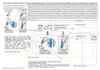
community Compressed part of research of theory of androgenic/anabolitic balance. AGA h-responders analytic. Theory of physio-metabolitic method of anti AGA treatment
The treatment for androgenetic alopecia involves using finasteride and minoxidil with intense exercise and cold exposure to boost metabolism and reduce androgenic effects, potentially leading to hair regrowth. This approach may activate biological pathways for improved hair and overall health.
community Anyone else realize how many younger guys are balding?
Many younger men are experiencing hair loss due to genetics, diet, stress, and lifestyle changes. Treatments like finasteride and minoxidil are mentioned, with some users noting improvements.
Related Research
6 / 6 resultsresearch Understanding and Addressing Hair Disorders in Transgender Individuals
This article provides a framework for understanding hair disorders and treatment options in transgender individuals undergoing hormonal therapy and reports no new clinical results.
research Antiandrogens and Androgen Inhibitors
This source outlines various antiandrogen and androgen inhibitor drugs used to treat cutaneous disorders of hyperandrogenism, detailing their mechanisms, uses, dosages, and side effects, with emphasis on spironolactone, finasteride, dutasteride, and oral contraceptives.
research Androgen effects on the skin
Androgens like testosterone affect skin health and can lead to conditions such as acne and hair loss, with various treatments available.
research Gender-affirming hair procedures
This chapter reviews the role of hair transplantation in gender affirming procedures for transitioning patients but reports no new clinical findings.
research Investigating the Safety and Efficacy of Platelet-Rich Plasma (PRP) Treatment for Female Androgenetic Alopecia: Review of the Literature
This review discusses the use of platelet-rich plasma for treating female androgenetic alopecia, reporting that it shows high patient satisfaction and improved quality of life in affected women.
research Overactive bladder in men
This chapter discusses the increasing prevalence of overactive bladder in aging men, examining potential causes and treatment options, without reporting new clinical results.