8 months on finasteride, Diffuse thinner (20M) 8/24/2026
A 20-year-old is experiencing thin hair after 8 months on finasteride and is considering adding minoxidil if there's no improvement by the one-year mark. Users discuss the challenges of diffuse thinning, with some suggesting additional treatments like zinc, ketoconazole shampoo, and avoiding dutasteride due to potential side effects.
View this post in the Community →
Similar Community Posts Join
5 / 5 results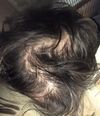
community Completely obliterated my diffuse thinning without Finasteride w/ pictures
The user improved diffuse thinning without finasteride by using minoxidil foam, cold showers, gentle hair drying, 2% ketoconazole, sulfate-free tea tree oil shampoo, dermastamping, and supplements like Omega-3, Vitamin-D, Biotin, Keratin, Collagen, B3, Zinc, and Magnesium. The regimen was followed for about six months under dermatologist guidance.

community 21M on Minoxidil 3 Months: Should I Add Finasteride for Thinning Hair?
A 21-year-old male experiencing hair thinning started using Minoxidil, which stopped his shedding and led to the growth of vellus hairs on his temples. He is considering whether to add finasteride to his routine, which currently includes Minoxidil, derma rolling, ketoconazole shampoo, vitamin D3, zinc, and a rosemary and fenugreek lotion.
community May have been mis-diagnosed for 10 years, self-investigation into AGA + AA Incognita (Defused Shedding)
A 27-year-old male with AGA and diffused thinning has been using oral Minoxidil, Finasteride, Vitamin D, B12, Iron, and Ketoconazole shampoo. Despite a hair transplant and improved blood levels, he continues to experience hair loss and suspects a possible misdiagnosis of Alopecia Areata Incognita.
community Naturally high T (1,100+) causing diffuse thinning while on Dut
A 26-year-old male with high testosterone is experiencing diffuse hair thinning despite using a comprehensive treatment regimen including dutasteride, oral minoxidil, RU58841, ketoconazole shampoo, microneedling, and low-level laser therapy. Suggestions include adjusting dutasteride dosage, monitoring iron levels, and consulting a dermatologist for further evaluation.
community Derm says my hair loss (diffuse) is from seborrheic dermatitis. Anyone else have experience with this? I was already prepared to jump on fin min
Seborrheic dermatitis can cause hair loss, and treatments like ketoconazole shampoo, topical steroids, and oral antifungals may help. Some consider using finasteride and minoxidil for hair loss despite dermatitis.
Related Research
6 / 6 resultsresearch Managing patterned hair loss – a hair raising task!
This review summarizes existing knowledge on diffuse and patterned alopecia, emphasizing recent advancements in treatment beyond FDA-approved options, but it reports no new clinical findings.
research Hair Loss in Women
This article presents a systematic approach for obstetricians/gynecologists to diagnose and manage common types of nonscarring hair loss in women, reporting no new clinical results.
research Androgenetic Alopecia: An Update on Pathogenesis and Pharmacological Treatment
This review article examines current drugs for androgenetic alopecia, focusing on their mechanisms and clinical efficacy, noting that while finasteride and minoxidil are commonly approved treatments, new drugs targeting different pathogenic pathways have emerged, offering a broader understanding and reference for AGA treatment options.
research Addressing Androgenetic Alopecia-A Complex Disorder-with a Multilateral Treatment Strategy
This review discusses recent advancements in understanding the pathophysiology of androgenetic alopecia and highlights the potential for multilateral topical therapies to improve treatment efficacy with fewer side effects; it reports no new clinical results.
research A Systemic Review on Topical Marketed Formulations, Natural Products, and Oral Supplements to Prevent Androgenic Alopecia: A Review
This review discusses current topical treatments, natural products, and complementary therapies for androgenetic alopecia, but it reports no new clinical results.
research Alopecia
The document concludes that alopecia has various forms, each with specific treatments, but no definitive cure for certain types like CCCA has been proven.