20/F with sudden, severe shedding and hair loss. What's happening? What do I do? 10/12/2014
A 20-year-old woman experiencing sudden, severe hair loss seeks advice on diagnosis and treatment options. Suggestions include using minoxidil and spironolactone, consulting a dermatologist, and considering stress or health factors as potential causes.
View this post in the Community →
Similar Community Posts Join
5 / 5 resultscommunity 9 months of minoxidil , finasteride, spironolactone, estradiol
User shared progress pictures after 9 months of using minoxidil, finasteride, spironolactone, and estradiol for hair loss. Significant regrowth was noted, especially after starting estradiol.
community 21M, Still Losing Hair Fast Despite Dutasteride, Once-Daily Minoxidil & GFC Need Advice on What to Try Next
A 21-year-old is experiencing aggressive hair loss despite using minoxidil, dutasteride, and GFC, and is seeking advice on whether to switch treatments or consider a hair transplant. Suggestions include continuing current treatments, checking for underlying health issues, and considering alternatives like RU58841 or microneedling.
community Female, 30, PCOS diagnosis, MPB Norwood 2. Endo refuses to give anything other than Spironolactone. Feel like I’m at my wit’s end here.
A 30-year-old female with PCOS and male pattern baldness is frustrated with her endocrinologist's recommendation of only Spironolactone and minoxidil, feeling that dutasteride, finasteride, and progesterone would be more effective. Other users suggest various online sources for treatments, warn against self-medicating due to potential risks, and recommend seeking a specialized endocrinologist or considering additional treatments like Inositol, Berberine, and dermaneedling.
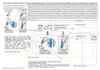
community Compressed part of research of theory of androgenic/anabolitic balance. AGA h-responders analytic. Theory of physio-metabolitic method of anti AGA treatment
The treatment for androgenetic alopecia involves using finasteride and minoxidil with intense exercise and cold exposure to boost metabolism and reduce androgenic effects, potentially leading to hair regrowth. This approach may activate biological pathways for improved hair and overall health.
community Dont stop using Minoxidil i beg you! Dont be fool like me.
Stopping minoxidil causes significant hair loss, as continued use is necessary for maintaining gains. Combining minoxidil with finasteride may help maintain hair, but both treatments are typically lifelong commitments.
Related Research
6 / 6 resultsresearch Dermatologic Problems of Older Women
This review discusses common skin disorders in older women and their treatments, but it reports no new clinical results.
research Managing Dermatologic Effects of Gender-Affirming Therapy in Transgender Adolescents
This article discusses the dermatologic impacts of gender-affirming medical care in transgender adolescents and emphasizes the importance of patient-centered care to improve dermatologic and overall outcomes; it reports no new clinical results.
research Update From Dermatology Nurses’ Association Convention 2025
This article reports on the 2025 Annual Dermatology Nurses’ Association Convention, emphasizing its role in education, networking, and advocacy advice, and provides insights into managing stress-related skin issues and hair loss, as well as dermatology treatment advances.
research Common Dermatologic Conditions
This review discusses common skin conditions in primary care settings and provides guidance on differential diagnoses and selecting appropriate topical treatments, but it reports no new clinical results.
research Hair Restoration in Androgenetic Alopecia: Looking Beyond Minoxidil, Finasteride and Hair Transplantation
This review discusses the emerging pathophysiological factors and potential new therapies for androgenetic alopecia beyond traditional treatments, but reports no new results.
research Female pattern hair loss: A comprehensive review
This review discusses the pathophysiology, diagnosis, systemic associations, and treatments for female pattern hair loss and reports no new clinical findings.