July 2024 in “Journal of Investigative Dermatology” ATR04-484 ointment shows promise for treating skin issues from cancer therapies.
 April 2019 in “The journal of investigative dermatology/Journal of investigative dermatology”
 The researchers reported that DHT may reduce the inflammatory responses induced by C. acnes in androgen-sensitive human sebocyte cells, suggesting a potential link between androgens and infection in sebaceous disorders.
November 2025 in “Bioactive Materials” In this study, researchers developed a DNA/GelMA-based cryogel platform that uses phototherapy to combat MRSA infection and promote scarless wound healing, showing enhanced bactericidal activity, tissue regeneration, and anti-inflammatory effects in vivo, suggesting a promising approach for treating infected skin wounds.
 June 2023 in “Benha Journal of Applied Sciences”
 In this study, researchers isolated gram-positive bacteria from acne lesions in 50 patients, finding that Staphylococcus epidermidis, Staphylococcus aureus, Micrococcus luteus, and Leuconostoc mesenteroides were present at varying frequencies, indicating multimicrobial causes for acne vulgaris.
 53 citations
,
April 2021 in “Cell Host & Microbe”
53 citations
,
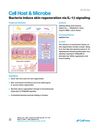
April 2021 in “Cell Host & Microbe” This study found that skin microbiota, particularly in wild-type mice, promotes wound-induced hair follicle neogenesis and wound healing, highlighting the potential downsides of routine antibiotic use on skin regeneration.