 April 2017 in “Australasian Journal of Dermatology”
 Different skin conditions show distinct types of vessel inflammation, a new quality of life index for vulval disease is reliable, a certain intrauterine system might be linked to chronic vaginal yeast infections, and oral minoxidil reduces hair loss in women.
2 citations
,
October 1961 in “Experimental Biology and Medicine” This study found that rabbits fed a diet deficient in Vitamin E developed severe muscular dystrophy that was not fully prevented by adding selenium, Vitamin E supplements, or natural feedstuffs, indicating other nutritional deficiencies.
 January 2021 in “Plant Archives/Plant archives”
 In this study, Malassezia pachydermatis infection was more common in German shepherd dogs and occurred more frequently in January and February compared to other months in Diyala Governorate.
 195 citations
,
February 2005 in “Journal of biological chemistry/The Journal of biological chemistry”
195 citations
,
February 2005 in “Journal of biological chemistry/The Journal of biological chemistry” This study shows that ZIP7 is a functional zinc transporter in mammalian cells, facilitating the movement of zinc from the Golgi apparatus to the cytoplasm.
36 citations
,
January 2023 in “Skin Appendage Disorders” This review discusses the etiology, pathophysiology, trichoscopic characteristics, differential diagnoses, and treatment options for scalp seborrheic dermatitis, without providing new clinical findings.
 9 citations
,
June 2019 in “Mycopathologia”
9 citations
,
June 2019 in “Mycopathologia” This study found that the presence of Malassezia fungi in the scalp's hairy roots was more pronounced in individuals with androgenetic alopecia than in healthy controls, suggesting a potential link to the condition.
 6 citations
,
January 2015 in “Biochemical Society Transactions”
6 citations
,
January 2015 in “Biochemical Society Transactions” This review discusses the role of Ysc84/SH3yl1 proteins in linking actin regulation to membrane morphology changes but reports no new experimental results.
1 citations
,
May 2025 in “Biomolecules” This study examined the latest advances in synthetic biology for increasing microbial production of sesquiterpenol compounds, highlighting innovative strategies to overcome challenges such as low yields and terpenoid-related toxicity, which hinder industrial-scale applications.
 1 citations
,
September 2011 in “British Journal of Dermatology”
1 citations
,
September 2011 in “British Journal of Dermatology” This review discusses advances in understanding the role of Malassezia in seborrhoeic dermatitis and dandruff, highlighting the significance of the hair follicle infundibulum and the action of zinc pyrithione, but reports no new clinical results.
 July 2024 in “PLANT PHYSIOLOGY”
 In this study on Arabidopsis, the researchers identified CIPK13 and CIPK18 as crucial genes for root hair growth, finding that deficiencies in these genes resulted in shorter root hairs and reduced growth rates due to altered calcium oscillations.
Defective protein folding due to a mutation is key in ANE syndrome.
 260 citations
,
July 2010 in “Cell”
260 citations
,
July 2010 in “Cell” This study identifies mutations in the SRD5A3 gene as a cause of a new type of congenital disorder of glycosylation, impacting mental, ophthalmologic, and cerebellar functions.
147 citations
,
August 2005 in “The Plant Cell” This study identified a key Arabidopsis thaliana gene, TIP1, whose product is involved in S-acylation crucial for normal plant cell growth, particularly affecting root hair development.
 43 citations
,
November 2007 in “Journal of Investigative Dermatology Symposium Proceedings”
43 citations
,
November 2007 in “Journal of Investigative Dermatology Symposium Proceedings” This paper reviews symptoms, causes, and treatment strategies for common scalp conditions such as dandruff and psoriasis, but does not present new clinical findings.
8 citations
,
January 2024 in “Microorganisms” This study found that administering dupilumab to patients with moderate-to-severe atopic dermatitis over 12 weeks altered both fungal and bacterial skin microbiomes, increasing microbial diversity and decreasing colonization by Malassezia and Staphylococcus aureus at lesion sites.
 7 citations
,
January 1996 in “In Practice”
7 citations
,
January 1996 in “In Practice” This article highlights causes of otitis externa in small animals and proposes an investigative approach; it reports no new findings.
 5 citations
,
August 2011 in “Journal of the American Academy of Dermatology”
5 citations
,
August 2011 in “Journal of the American Academy of Dermatology” This report describes a rare case of cyclophosphamide-associated neutrophilic folliculitis, suggesting its inclusion in differential diagnoses for acneiform eruptions.
3 citations
,
January 2018 This chapter reviews bacterial skin diseases in camelids, such as folliculitis, furunculosis, and others, providing diagnostic insights without presenting new clinical results.
 2 citations
,
July 2022 in “Medical Immunology (Russia)”
2 citations
,
July 2022 in “Medical Immunology (Russia)” In this study, researchers observed that patients with alopecia areata who followed an elimination diet targeting specific food and pollen allergens showed clinical improvement, supporting a role for food allergy in the condition.
1 citations
,
April 2024 in “Journal of Cutaneous Pathology” This article presents a case of spontaneous, recurrent necrotizing infundibular crystalline folliculitis in the inguinal region and suggests unknown etiology possibly linked to microbiome and sebaceous gland dysfunction.
January 2026 in “International Journal of Cosmetic Science” This study observed that eco-friendly PALF forms a protective physical barrier on the skin, helping limit the impact of environmental pollutants and offering additional benefits for skin and hair in various cosmetic formulations.
July 2025 in “Agroindustrial Technology Journal” In this study, researchers evaluated shampoo formulations with varying concentrations of rosemary essential oil, finding that the 2% formulation was most preferred based on sensory tests, and complied well with quality standards, indicating its potential as an effective component in hair care products.
 May 2024 in “Microbial Biosystems Journal”
 This study found that the antifungal potential of six herbal shampoos developed using various phytoconstituents is comparable to marketed synthetic antifungal shampoos in treating Seborrheic dermatitis caused by Candida albicans.
April 2024 in “Journal of clinical medicine research” This review discusses seborrheic alopecia in young people, its possible link to fungal infections, and suggests that Malassezia spp. flora may play a key aetiologic role.
November 2005 in “Physiology” This article highlights advances in various physiological studies, including vitamin E's potential to improve aging-related outcomes in mice, but does not present new experimental results.
 October 2005 in “Nature reviews. Molecular cell biology (Print)”
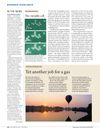
 This study suggests that the interaction between the hairless and wise proteins can help bald mice regrow fur, highlighting its essential role in hair-follicle regeneration.
May 2019 in “Eurasian Journal of Biosciences” In this study, researchers observed that fenugreek aqueous extract was more effective than its alcohol extract in inhibiting the growth of bacteria associated with acne, particularly gram-positive bacteria like Staphylococcus epidermidis and Staphylococcus aureus.
 April 2020 in “Food Research”
 This review discusses androgenic alopecia (male pattern baldness), its hair growth cycle mechanisms, and highlights the use of plant derivatives in its management, but reports no new clinical results.
 March 2024 in “International journal of pharmaceutical and bio-medical science (Print)”
 This review examines Angelica sinensis and Chinese arborvitae, highlighting their historical and contemporary use in traditional Chinese medicine and pharmacology. It emphasizes the need for more comprehensive scientific assessments to fully explore their therapeutic potential.
1 citations
,
November 2025 in “Science Advances” This research identified two genetic variants that influence the white-spotted coat patterns in Holstein-Friesian cattle, involving regulatory changes in the MITF and KIT genes, confirmed through mouse models, along with possible effects on coat patterns in other cattle breeds.