 7 citations
,
January 2018 in “Skin appendage disorders”
7 citations
,
January 2018 in “Skin appendage disorders” This article reviews the historical development of trichology and proposes the term "trichiatrist" for physicians specializing in the medical treatment of hair and scalp, noting no new clinical findings.
 30 citations
,
August 2018 in “Dermatology and Therapy”
30 citations
,
August 2018 in “Dermatology and Therapy” This review discusses the diagnostic and treatment challenges of trichotillomania and emphasizes the need for better-designed studies to optimize treatment approaches.
 13 citations
,
June 2012 in “Journal of Dermatological Case Reports”
13 citations
,
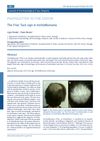
June 2012 in “Journal of Dermatological Case Reports” This report describes an 8-year-old male with trichotillomania, confirmed by trichoscopy showing characteristic hair damage and patterns.
July 2025 in “Actas Dermo-Sifiliográficas” This study outlines trichodynia, a painful scalp condition often linked with various types of alopecia and psychiatric disorders, noting the absence of specific treatments and highlighting the need for further research on therapeutic options.
January 2026 in “Surgical & Cosmetic Dermatology” September 2024 in “Actas Dermo-Sifiliográficas” This study discusses trichodynia, a painful scalp condition often linked to various forms of alopecia and psychiatric comorbidities, highlighting its clinical diagnosis, lack of specific treatments, and suggesting the need for more research to explore effective therapies.
 44 citations
,
August 2008 in “Archives of Dermatology”
44 citations
,
August 2008 in “Archives of Dermatology” This abstract provides no results; it is a website notification about cookies and general access to JAMA content.
 3 citations
,
October 1990 in “Journal of the American Academy of Dermatology”
3 citations
,
October 1990 in “Journal of the American Academy of Dermatology” This case report describes a patient with lichen nitidus whose lesions improved following treatment with oral astemizole and topical steroids, although spontaneous resolution remains a possibility.
 8 citations
,
June 2021 in “Acta dermato-venereologica”
8 citations
,
June 2021 in “Acta dermato-venereologica” This systematic review concludes that trichoscopy is a reliable diagnostic tool for trichotillomania and should be incorporated into standard clinical practice for differential diagnosis.
 83 citations
,
January 2001 in “American journal of clinical dermatology”
83 citations
,
January 2001 in “American journal of clinical dermatology” This review discusses the clinical features of trichotillomania and the challenges in its diagnosis and treatment, reporting no new clinical findings while highlighting the need for specialized therapy and better therapeutic options.
 December 2023 in “Portuguese journal of dermatology and venereology”
 This study found that trichoscopic examination can effectively differentiate between alopecia areata and trichotillomania, as specific features such as black dots and exclamation marks favor alopecia areata while hair breaking at various lengths and several unique patterns are exclusive to trichotillomania.
January 2025 in “International Journal of Trichology” This case report documents a rare instance of body-focused repetitive behavior in a 37-year-old male physician who compulsively pulled hair from his thighs due to exam stress, highlighting the variability in presentation and demographics of such disorders and the potential for psychiatric comorbidity.
 December 2025 in “TURKDERM”
 This article discusses Trikostazis spinuloza (TS), a dermatological condition often misdiagnosed, and reviews its demographic, clinical, and dermoscopic features, but reports no new clinical results.
2 citations
,
October 2015 in “The Journal of Dermatology” This article is a letter to the editor discussing a case of extensive cicatricial alopecia in a patient with long-term trichotillomania and reports no new research findings.
 January 2007 in “Revista del Centro Dermatológico Pascua”
 This case report describes a 2-year-old boy diagnosed with trichothiodystrophy, characterized by fragile hair, intellectual damage, diminished fertility, and short stature.
 May 2017 in “InTech eBooks”
 This review discusses trichotillomania and traction alopecia, focusing on their clinical features, diagnostic criteria, and treatment options, but it reports no new research findings.
 September 2021 in “CRC Press eBooks”
 This chapter reviews the use of trichoscopy in hair transplantation, offering tips for hair restoration surgeons and assisting pathologists in understanding the procedure, but reports no new clinical results.
February 2025 in “International Journal of Clinical & Experimental Dermatology” In this study, trichoscopy was identified as an effective tool for diagnosing trichotillomania in children, and a multidisciplinary, individualized approach along with family support was deemed essential for managing the condition and achieving sustained remission.
 4 citations
,
January 2019 in “Clinical and Experimental Dermatology”
4 citations
,
January 2019 in “Clinical and Experimental Dermatology” This study reported improvements in trichotillomania symptoms among patients who engaged with a psychodermatology service, despite a high rate of missed appointments.
 January 2026 in “Indian Journal of Dermatopathology and Diagnostic Dermatology”
 This report highlights a case where dermoscopic observation of corkscrew hairs in a young woman led to the diagnosis of trichotillomania, emphasizing its role in distinguishing this psychiatric disorder from other forms of non-scarring alopecia and highlighting the importance of timely intervention.

In this case report, researchers documented a 19-year-old male professional athlete with acquired trichorrhexis nodosa, noting environmental factors like chlorine exposure during swimming may have contributed to his condition, which improved after advice on hair care changes.
 January 2016 in “Elsevier eBooks”
 This chapter reviews trichoscopic criteria and diagnostic features for various hair and scalp conditions, emphasizing their utility in non-invasive diagnosis, but reports no new clinical results.
 74 citations
,
July 2008 in “Journal of Dermatological Case Reports”
74 citations
,
July 2008 in “Journal of Dermatological Case Reports” This study found that trichoscopy can diagnose genetic hair shaft abnormalities without plucking or cutting hair, by visualizing characteristic features in a single session.
September 1998 in “Journal of the European Academy of Dermatology and Venereology” June 2015 in “Turkish Journal of Dermatology” This review discusses how trichoscopy, a hair and scalp examination method, helps in diagnosing various hair diseases by identifying specific structural features but provides no new clinical findings.
 28 citations
,
August 2018 in “Dermatologic Clinics”
28 citations
,
August 2018 in “Dermatologic Clinics” This article discusses various aspects of trichoscopy for diagnosing hair and scalp disorders and reports no clinical results, offering guidance and highlighting pitfalls for better application of this tool by dermatologists.
March 2025 in “International Journal of Trichology” This study describes a 62-year-old male with trichodaganomania, an urge to bite his mustache hair, who was treated with counseling and placebo medication, highlighting the need for a comprehensive treatment approach including potential psychological and psychiatric interventions if symptoms recur.
 8 citations
,
September 2021 in “Skin appendage disorders”
8 citations
,
September 2021 in “Skin appendage disorders” This review discusses trichotillomania, including its diagnosis and management, and emphasizes the importance of a psychiatry-dermatology liaison alongside behavioral therapy and pharmacological options.
March 1999 in “Annals of the Academy of Medicine Singapore” This article reviews trichotillomania, highlighting its prevalence, common treatment options, and challenges such as secrecy and delayed treatment, but reports no new clinical results.
 November 2016 in “대한피부과학회지”
 This study found that trichoscopy is effective for diagnosing androgenetic alopecia and alopecia areata, and it can also be used to assess the severity of androgenetic alopecia.