 62 citations
,
August 2014 in “BMC Endocrine Disorders”
62 citations
,
August 2014 in “BMC Endocrine Disorders” This review summarizes the recent advances in molecular mechanisms influencing tissue sensitivity to glucocorticoids, emphasizing novel mutations and new information on the glucocorticoid receptor's circadian rhythm and ligand-induced repression, but reports no new results.
59 citations
,
October 2017 in “Proceedings of the National Academy of Sciences” This study found that the zinc transporter ZIP10 is crucial for epidermal development, as it influences the activity of p63, promoting epidermal morphogenesis.
49 citations
,
March 2004 in “Journal of Investigative Dermatology” This study found that the hHa7 gene in hair follicle trichocytes is the first identified to have its expression directly regulated by androgens, suggesting it as a marker for androgen action on hair follicles.
47 citations
,
September 2002 in “Journal of Bone and Mineral Research” This study found that a specific VDR amino acid substitution in children with hereditary vitamin D-resistant rickets disrupts ligand binding and gene activation but does not impair hair follicle development.
 28 citations
,
July 2008 in “Developmental Biology”
28 citations
,
July 2008 in “Developmental Biology” This study found that the loss of Smad4 in keratinocytes reduces Dsg4 expression via disrupted BMP signaling, contributing to hair follicle degeneration and alopecia.
27 citations
,
January 2000 in “Developmental Dynamics” This study reports that a new nude allele, nu(StL), encodes a truncated Whn transcription factor affecting T-cell development and keratin gene expression, with notable differences from the original Whn(nu) mutation.
 8 citations
,
September 2017 in “Scientific Reports”
8 citations
,
September 2017 in “Scientific Reports” This study found that the mitotic arrest deficient protein MAD2B negatively affects TCF4-induced growth and proliferation of dermal papilla cells, which are vital for hair follicle development.
3 citations
,
March 2016 in “Experimental Dermatology” This study found that a hypomorphic mutation in the Hr gene contributes to the development of diet-induced pruritic atopic skin in mice, particularly when combined with dietary deficiencies of polyunsaturated fatty acids and starch.
1 citations
,
July 2007 in “Journal of Investigative Dermatology” The mutation causes hairless mice due to mislocalized and dysfunctional HR protein.
February 2009 in “RePub (Erasmus University Rotterdam)” This thesis investigates the role of phosphorylation and the mutation F826L in modulating androgen receptor activity, but concludes that the precise effects are not yet fully clear.
 September 2007 in “Journal of Investigative Dermatology”
 ANp63 is crucial for skin integrity, new filaggrin gene mutations link to eczema, hair can regrow from non-stem cells, sunburns are increasing, and glucocorticoids help treat skin allergies by affecting immune cells.
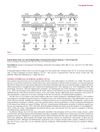 June 2007 in “Journal of Investigative Dermatology”
 Title change to "Central Centrifugal Cicatricial Alopecia (CCCA)"; common in African American women; hair-grooming methods may contribute; no effective therapy found; trials needed.
 39 citations
,
March 2018 in “Archives of Dermatological Research”
39 citations
,
March 2018 in “Archives of Dermatological Research” This review describes the molecular interactions between androgens and Wnt/ß-catenin signaling in androgenetic alopecia but reports no new experimental or clinical findings; the authors discuss potential Wnt/ß-catenin-targeted treatments for hair growth.
 30 citations
,
January 2009 in “Nuclear Receptor Signaling”
30 citations
,
January 2009 in “Nuclear Receptor Signaling” This study identified the Hairless (Hr) gene-encoded protein as a corepressor that plays a crucial role in maintaining skin and hair by regulating epithelial stem cell differentiation and gene expression via chromatin remodeling, which may impact both development and disease.
 29 citations
,
October 2016 in “Cell death and differentiation”
29 citations
,
October 2016 in “Cell death and differentiation” This study found that in squamous cell carcinomas, the inhibition of the tumor-suppressor function of TAp73β by ΔNp63α occurs through promoter squelching, not direct protein interaction.
 25 citations
,
January 2000 in “Hormone Research in Paediatrics”
25 citations
,
January 2000 in “Hormone Research in Paediatrics” This article reviews androgen insensitivity syndrome and highlights the factors contributing to phenotypic diversity in 46,XY patients with AR gene mutations, reporting no new clinical results.
150 citations
,
June 1999 in “Oncogene”  3 citations
,
September 2005 in “International Journal of Cosmetic Science”
3 citations
,
September 2005 in “International Journal of Cosmetic Science” This study found that monounsaturated oils like olive oil penetrate hair fibers effectively, whereas polyunsaturated oils typically do not penetrate beyond the cuticle.
 218 citations
,
December 2011 in “Advances in Urology”
218 citations
,
December 2011 in “Advances in Urology” This review discusses the biochemical properties and clinical significance of 5 alpha-reductase isozymes and reports no new clinical results.
 173 citations
,
January 2014 in “Nature Cell Biology”
173 citations
,
January 2014 in “Nature Cell Biology” This study found that Wnt signalling activates hair follicle fate in hair follicle stem cells by relieving TCF3/4–TLE-mediated repression, with β-catenin being crucial for this process.
 76 citations
,
April 2005 in “Cancer Epidemiology, Biomarkers & Prevention”
76 citations
,
April 2005 in “Cancer Epidemiology, Biomarkers & Prevention” This study found that the AR-E211 A allele is associated with a lower risk of both metastatic prostate cancer and androgenetic alopecia in an Australian population.
 60 citations
,
May 2015 in “Archives of dermatological research”
60 citations
,
May 2015 in “Archives of dermatological research” This review discusses the role of peroxisome proliferator-activated receptors and their agonists in dermatology but reports no new clinical results.
 60 citations
,
January 2007 in “Human Genetics”
60 citations
,
January 2007 in “Human Genetics” In this study, researchers found that while the SNP rs6152 is strongly associated with androgenetic alopecia, the GGN triplet repeat is not, suggesting the causative variant is likely a non-coding one.
 54 citations
,
October 2023 in “Oncogene”
54 citations
,
October 2023 in “Oncogene” In this review, the researchers detailed how the p63 transcription factor influences epithelial stem cell activities such as self-renewal, differentiation, and proliferation, highlighting the role of TAp63 and ΔNp63 isoforms in both normal tissue development and cancer pathogenesis.
 54 citations
,
November 2001 in “Urology”
54 citations
,
November 2001 in “Urology” This review discusses the association between androgen receptor CAG repeat polymorphism and several health conditions, including Kennedy’s disease and urologic disorders, without reporting new clinical results.
 53 citations
,
January 2006 in “The Journal of clinical endocrinology and metabolism/Journal of clinical endocrinology & metabolism”
53 citations
,
January 2006 in “The Journal of clinical endocrinology and metabolism/Journal of clinical endocrinology & metabolism” In this study, reduced androgen receptor gene methylation and shorter CAG repeats in children with premature pubarche may lead to increased hair follicle sensitivity to steroid hormones, potentially causing early pubic hair development.
 46 citations
,
September 2011 in “Journal of Endocrinology”
46 citations
,
September 2011 in “Journal of Endocrinology” This study suggests that 5α-reduced glucocorticoids may have anti-inflammatory potential and could serve as biomarkers for liver inflammation in metabolic disease, with implications for drug development.
 44 citations
,
January 2008 in “Fertility and Sterility”
44 citations
,
January 2008 in “Fertility and Sterility” This study suggests that androgen receptor gene CAG repeat length may influence serum free testosterone levels in some PCOS patients, with longer repeats associated with higher testosterone concentrations.
 41 citations
,
November 2013 in “Experimental Dermatology”
41 citations
,
November 2013 in “Experimental Dermatology” This study found that leptin acts as an inducer of the anagen phase in hair follicles, suggesting its role as a potential player in hair biology.
 38 citations
,
December 2009 in “Therapeutic Advances in Medical Oncology”
38 citations
,
December 2009 in “Therapeutic Advances in Medical Oncology” This discussion proposes a model to incorporate patients with hormone-resistant prostate cancer into the existing framework by redefining hormone resistance and exploring new therapeutic approaches.