 40 citations
,
January 2009 in “Skin Pharmacology and Physiology”
40 citations
,
January 2009 in “Skin Pharmacology and Physiology” This review discusses the potential use of cultured primary fetal cells from a single organ donation to produce therapeutic products, emphasizing the need for process consistency and safety verification, but reports no clinical results.
 January 2024 in “Indian Journal of Plastic Surgery/Indian journal of plastic surgery”
 This case report describes a flap advancement technique following skin expansion as a successful method to address primary essential cutis verticis gyrata, preserving hair growth and improving cosmetic outcomes.
 May 2025 in “The Journal of Rheumatology”
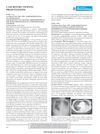
 This case report details a rare instance of primary adrenal insufficiency as a manifestation of antiphospholipid syndrome, with the patient successfully managed through glucocorticoids, warfarin, and hydroxychloroquine.
 27 citations
,
December 2015 in “Mayo Clinic Proceedings”
27 citations
,
December 2015 in “Mayo Clinic Proceedings” This review presents an evidence-based algorithm for managing hidradenitis suppurativa in primary care, highlighting the need for more research on treatment effectiveness and the disease's pathogenesis.
 3 citations
,
October 2018 in “Archives of Dermatological Research”
3 citations
,
October 2018 in “Archives of Dermatological Research” This study suggests that the InlB321/15 protein may accelerate wound healing by increasing cell proliferation and reducing wound closure time in both cell culture and mouse models.
 March 2026 in “Journal of South Asian Federation of Obstetrics and Gynaecology”
 This study found that prophylactic administration of autologous platelet-rich plasma during cesarean wound closure significantly improved wound quality and reduced the incidence of surgical site infections.
 7 citations
,
January 2023 in “Frontiers in cell and developmental biology”
7 citations
,
January 2023 in “Frontiers in cell and developmental biology” This study found that Celsr1, not Celsr2, is the primary protein involved in establishing planar cell polarity and hair follicle polarization in the epidermis of mice.
 5 citations
,
September 2019 in “ACS Applied Bio Materials”
5 citations
,
September 2019 in “ACS Applied Bio Materials” This study developed a composite hydrogel that delivered multiple proteins, enhancing skin wound healing by accelerating closure and promoting hair follicle regeneration.
This study found that a mesenchymal stromal cell-derived regenerative extracellular matrix (rECM) significantly accelerated wound closure and improved healing in diabetic mice, also enhancing nerve and blood vessel formation compared to controls.
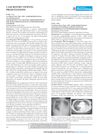 May 2025 in “The Journal of Rheumatology”
 This case report describes a 47-year-old woman with dilated cardiomyopathy as the first sign of primary antiphospholipid syndrome, highlighting the need for APS screening in similar patient presentations.
 August 2023 in “International journal of experimental research and review”
 This study found that in models of diabetic wound healing, extracts from the flavonoid and tannin fractions of Ficus racemosa leaves improved wound closure time, increased breaking strength of incision wounds, and exhibited hypoglycemic activity.

This article reviews various topics including medically important plants in dermatology, supporting medicinal herbs for primary dysmenorrhea, and several drug delivery systems, without providing new clinical findings.
 April 2019 in “Journal of Investigative Dermatology”
 This study found that BRG1 is crucial for keratinocyte migration during skin wound healing, as its suppression impairs wound closure by inhibiting migration without affecting cell proliferation or apoptosis.
 28 citations
,
March 2017 in “Endocrinology”
28 citations
,
March 2017 in “Endocrinology” In this study, the researchers found that vitamin D and calcium signaling in keratinocytes are essential for normal skin regeneration after wounding, with deficiencies significantly delaying wound closure and re-epithelialization in mice.
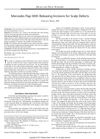 7 citations
,
March 2017 in “Annals of Plastic Surgery”
7 citations
,
March 2017 in “Annals of Plastic Surgery” In this study, researchers developed a new variant of the Mercedes flap with releasing incisions for reconstructing medium-sized scalp defects, demonstrating complete defect closure without complications in three patients following a single operation with excellent aesthetic outcomes.
 2 citations
,
November 2018 in “Cell Stem Cell”
2 citations
,
November 2018 in “Cell Stem Cell” This study reported that wound-resident mesenchymal cells can be reprogrammed to generate epithelial tissues, aiding in the closure of large, non-healing ulcers without signs of malignant transformation.
 1 citations
,
December 2023 in “Egyptian Journal of Veterinary Science”
1 citations
,
December 2023 in “Egyptian Journal of Veterinary Science” In this study, researchers found that a nanoparticle gel derived from Astragalus polysaccharides improved wound healing significantly more than a Gold-Silver nanocomposite gel and untreated controls, with better wound closure observed by the 15th day.
 1 citations
,
October 2023 in “bioRxiv (Cold Spring Harbor Laboratory)”
1 citations
,
October 2023 in “bioRxiv (Cold Spring Harbor Laboratory)” This study demonstrated that intraoperative bioprinting using a bioink with human adipose-derived extracellular matrix and stem cells achieved successful reconstruction of full-thickness craniomaxillofacial skin defects in rats, promoting wound closure, adipogenesis, and hair follicle-like structure formation within two weeks.
 July 2025 in “Scientific Reports”
 In this study, peptide nanofiber gels RG and RJ significantly accelerated the healing of deep second-degree burn wounds in vivo, with greater wound closure rates and enhanced tissue regeneration compared to controls, attributed to increased angiogenesis and reduced systemic inflammation.
 December 2023 in “Ophtha Therapy”
 In this study, the aim was to define the indications, diagnostics, and surgical techniques for eyebrow lift procedures, noting that the primary complication is a visible scar, especially concerning for individuals with a tendency for keloid formation.
6 citations
,
March 2022 in “IET Image Processing” This study utilized ultrasound biomicroscopy to evaluate the anterior chamber in angle closure glaucoma patients, revealing that the anterior chamber angle is wider on the downside than the upside and identifying important parameters for potential laser surgery.
March 2019 in “Digital Access to Scholarship at Harvard (DASH) (Harvard University)” This study found that soy-based nanofibrous scaffolds enhanced wound closure and tissue regeneration via the ER-β pathways in both mouse and human skin, suggesting a potential for effective wound healing applications.
 March 2026 in “Dermatopathology”
 In this case report, a rare instance of a primary cutaneous granular cell tumor with prominent overlying terminal hair growth in an adult is described, highlighting the importance of recognizing atypical presentations to accurately diagnose similar uncommon neoplasms.
16 citations
,
October 2013 in “Anais Brasileiros de Dermatologia” In this case report, an elderly woman with erosive pustular dermatosis of the scalp showed complete closure of eroded areas after treatment with prednisone and topical tacrolimus, resulting in stable scarring alopecia.
 July 2022 in “Biomedicines”
 This study found that 4-aminopyridine significantly enhanced skin wound healing by accelerating wound closure, improving skin architecture, and promoting hair follicle neogenesis and tissue regeneration.
 December 2014 in “Endocrinología y nutrición”
 The woman's rare combination of diseases suggests an unknown factor may predispose individuals to multiple endocrine diseases.
170 citations
,
November 2007 in “The journal of investigative dermatology/Journal of investigative dermatology” This study found that in the absence of hair follicles, cutaneous wounds in mice showed delayed reepithelialization but eventually achieved normal wound closure after expanding the activated epidermis region.
22 citations
,
October 2024 in “Advanced Healthcare Materials” This study demonstrated that gelatine-based hydrogel foams loaded with platelet extracellular vesicles (pEVs) promoted full wound closure in a chronic wound rat model within 14 days, suggesting potential for personalized treatment of chronic diabetic wounds.
 20 citations
,
September 2010 in “Cell Cycle”
20 citations
,
September 2010 in “Cell Cycle” This study reports that in MRL mice, loss of p53 does not impair ear regeneration, suggesting p21's potential role in this process may involve the Tgfb/Smad pathway.
16 citations
,
July 2025 in “Journal of Translational Medicine” In this study, MSC-scaffold combinations were found to significantly enhance wound closure, collagen deposition, angiogenesis, and growth factor expression while modulating inflammatory responses in preclinical burn wound models, though significant heterogeneity limits immediate clinical application.