June 2023 in “International Ayurvedic Medical Journal” This review article compiles extensive information on Tridax procumbens, an Ayurvedic herb, detailing its traditional uses, chemical makeup, and various pharmacological properties, including its roles in wound healing and as an antimicrobial agent.
 August 2021 in “Journal of emerging technologies and innovative research”
 This review examines the efficacy of platelet-rich plasma for treating hair loss, highlighting the lack of standardized protocols for PRP preparation and delivery and reporting no new clinical results.
 December 2025 in “GARI International Journal of Multidisciplinary Research”
 This study examines Ayurvedic approaches to managing premature hair greying, highlighting the potential of herbal formulations, lifestyle interventions, and rejuvenative therapies as safe, sustainable alternatives, though more rigorous clinical trials are needed to validate these methods.
May 2025 in “International Ayurvedic Medical Journal” In this case study, a 38-year-old woman with alopecia areata experienced significant improvement in hair regrowth after treatment with rakthamokshana and a herbal lepa containing Shodita Kasisa and Triphala masi mixed with nilibringaraj taila.
December 2025 in “Zenodo (CERN European Organization for Nuclear Research)” This case study reported marked improvement in hair loss symptoms for a 30-year-old woman using Ayurvedic leech therapy (Jalaukavacharana), highlighting its potential as a gentle and minimally invasive alternative to conventional alopecia treatments.
December 2025 in “Zenodo (CERN European Organization for Nuclear Research)” This case study reports that a 30-year-old woman with persistent hair fall experienced marked improvement following leech therapy (Jalaukavacharana) performed according to classical Ayurvedic protocols.
July 2017 in “Journal of Ayurveda and Integrated Medical Sciences” This study reported that Ayurvedic treatment involving the internal administration of Vidangarishta, Krimikutararasa, and Shatavari Guda, alongside external papaya exudate application, led to significant, rapid, and lasting improvements in alopecia areata in a week-long trial.
This review explores the Ayurvedic perspective of Indralupta, linked to Alopecia areata in modern medicine, highlighting disease progression through Tridosha imbalance and comparing it with contemporary understanding of Alopecia's pathogenesis.
October 2019 in “International Journal of Ayurvedic Medicine” This study found that Yastimadhuk Tail Pratimarsha Nasya was effective in reducing hair fall symptoms in patients with Khalitya, providing significant relief over a 91-day period compared to a control group.
March 2025 in “International Journal of Ayurveda and Pharma Research” In this study, both Trikatu Churna and Pippali Churna were found to significantly improve PCOS symptoms related to Artavakshaya, with Trikatu Churna showing slightly better efficacy in regulating menstrual cycles over a 90-day period among 40 women with PCOS.
June 2024 in “Kerala Journal of Ayurveda” In this case report, an 18-year-old male with alopecia areata showed significant hair regrowth after six weekly treatments with Pracchana, accompanied by the external application of Indraluptha mashi and Malathyadi kera, suggesting these interventions may be effective for managing spot baldness.
 February 2021 in “PDEAS International Journal of Research in Ayurved and Allied Sciences”
 This article reviews Ayurvedic concepts and treatments related to hair and reports no new clinical results.
 October 2015 in “Elsevier eBooks”
 Pramipexole can cause side effects like dizziness, sleepiness, hallucinations, and low blood pressure, and it's important to educate patients and keep doses low.
 14 citations
,
October 2006 in “Journal of The American Academy of Dermatology”
14 citations
,
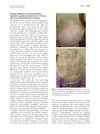
October 2006 in “Journal of The American Academy of Dermatology” This report highlights a case where a woman's use of the dopamine agonist pramipexole for Parkinson's disease was associated with hair loss, which improved after discontinuing the drug.
January 2026 in “Zenodo (CERN European Organization for Nuclear Research)” This study reports a 7-year-old boy experienced complete hair regrowth from alopecia areata after a 15-week Yoga Prana Vidya healing protocol involving pranic healing and rhythmic breathing, suggesting potential efficacy and safety but warranting controlled trials for validation.
July 2026 in “International Journal of Innovative Science and Research Technology (IJISRT)” This study developed and tested a Brahmi-based herbal shampoo, finding it effective for cleaning hair, maintaining suitable pH and foaming properties, and being stable and safe for regular use without irritation or damage.
July 2025 in “Journal of Integrated Health Sciences” In this study, a 32-year-old female with alopecia areata experienced significant symptom relief after receiving traditional Ayurvedic treatments, including Virechana, Pracchana, and Rasayana therapies, alongside external application of Chakramarda. The protocol was reported to be simple, cost-effective, and highly efficacious.
January 2026 in “Zenodo (CERN European Organization for Nuclear Research)” In this study, researchers observed complete hair regrowth and improved quality-of-life in a 7-year-old boy with alopecia areata after a 15-week protocol involving Yoga Prana Vidya healing, suggesting its potential as an alternative treatment.
 June 2026 in “Journal of Ayurveda and Integrated Medical Sciences”
 In this case study, a 42-year-old woman with alopecia areata, associated with Indralupta in Ayurveda, experienced significant hair regrowth and reduced symptoms after treatment with a combined Ayurvedic regimen involving internal medications and local applications, suggesting potential effectiveness in managing the condition.
 December 2015 in “International Journal of Ayurvedic Medicine”
 This article reviews various Keshya drugs described in Bhava Prakasha Nighantu for hair care and reports no new research findings.
 June 2021 in “International Journal of Ayurveda and Pharma Research”
 This conceptual paper proposes evaluating the Ayurvedic formulation Moorvadi choornam for alleviating side effects of chemotherapy, including symptoms consistent with Garavisha lakshanas, but reports no clinical outcomes.
 December 2024 in “Indian Dermatology Online Journal”
 This study presents a compilation of dermatological disorders that are descriptively compared to the "Navaratnas," or nine planetary gems from Vedic astrology, highlighting unique diagnostic terms and their clinical presentations to make dermatology more accessible and memorable for practitioners and patients.
1 citations
,
January 2022 in “Journal of Ayurveda Case Reports” This case report describes a 29-year-old woman with PCOS who experienced improvements in menstrual cycle regularity and ovarian size after Ayurvedic treatment, including Matra basti therapy.
May 2025 in “International Ayurvedic Medical Journal” In this case report, a 19-year-old male with alopecia areata showed complete relief from symptoms and increased hair density after 90 days of Shamana therapy, suggesting its potential effectiveness in treating this condition with minimal side effects.
1 citations
,
June 2022 in “Zenodo (CERN European Organization for Nuclear Research)” This study found that fifteen days of Trataka practice significantly reduced menopausal symptoms among participating women compared to a control group.
August 2023 in “Apple Academic Press eBooks” This review highlights that various parts of Eclipta prostrata contain compounds with potential antioxidant, anti-inflammatory, hepatoprotective, and hair growth-promoting effects, among other activities.
 September 2025 in “International Journal of Ayurvedic Medicine”
 This study observed distinct variations in hair medulla patterns among people with different Ayurvedic Prakruti types, linking stronger hair integrity to Kapha-dominant types and weaker, fragmented medullae to Vata and Pitta-dominant types, potentially aiding in Dosha-specific hair care and assessment.
 May 2026 in “Zenodo (CERN European Organization for Nuclear Research)”
 In this study, a herbal hair dye was formulated and tested, showing good stability and quality. The addition of Barleria prionitis flower enhanced color intensity and conditioning effects, suggesting it as a safe and effective natural alternative to chemical dyes.
January 2026 in “Journal of Ayurveda Case Reports” In this study, a 21-year-old male with alopecia areata showed complete hair regrowth after following a 100-day holistic Ayurveda treatment, which included Pracchana karma, Gunja-Kalihari lepa application, and Ayurveda formulations, resulting in a SALT-2 score reduction from 66% to 0%.
April 2019 in “National Journal of Research in Ayurved Science” This abstract describes how triphala, a traditional Ayurvedic remedy composed of three fruits, is widely regarded as an effective and safe laxative and colon cleanser with potential cancer-fighting properties, supporting the body's strength and overall health without harming nutritional reserves.