November 2023 in “Journal of Skin and Sexually Transmitted Diseases” In this case report, a 65-year-old woman with non-small cell lung cancer experienced scarring alopecia with papulo-pustular lesions on the scalp due to gefitinib treatment, marking it as a rare instance of gefitinib-induced erosive pustular dermatosis of the scalp.
 2 citations
,
January 2022 in “Boletín médico del Hospital infantil de México/Boletín médico del Hospital Infantil de México”
2 citations
,
January 2022 in “Boletín médico del Hospital infantil de México/Boletín médico del Hospital Infantil de México” This report describes two cases of atypical Malassezia folliculitis in immunosuppressed patients, highlighting diagnostic challenges due to non-classical presentation in non-seborrheic areas.
 18 citations
,
January 2017 in “Postępy Dermatologii i Alergologii”
18 citations
,
January 2017 in “Postępy Dermatologii i Alergologii” This review discusses the adverse skin effects of EGFR inhibitors used in cancer treatment, exploring their mechanisms and offering strategies for prevention and management, but reports no new experimental findings.
 May 2023 in “Dermatology Reports”
 In this original study, researchers documented 121 COVID-19 cases with a wide range of mucocutaneous manifestations, some linked to internal organ damage and others to new vaccine-associated dermatoses, emphasizing the importance of rapid diagnosis to prevent potentially life-threatening systemic events.
August 2024 in “Postgraduate Medical Journal” A rare skin reaction from cancer treatment was successfully managed with topical treatments and antihistamines.
 1 citations
,
May 2015 in “Primary Health Care”
1 citations
,
May 2015 in “Primary Health Care” This article discusses the classification of acne lesions and emphasizes the importance of evidence-based treatment and nursing care, without presenting new research results.
October 2024 in “OBM Transplantation” In this case study, a patient with moderate papulopustular acne showed improvement in acne scars and active lesions after three monthly treatments with autologous plasma-rich growth factors, which help regulate inflammation, inhibit bacterial growth, and restore collagen.
88 citations
,
January 2001 in “Dermatology” This study found that the monophasic oral contraceptive ethinylestradiol/chlormadinone acetate was more effective in treating mild to moderate papulopustular acne in women than ethinylestradiol/levonorgestrel.
 19 citations
,
October 2011 in “Clinics in Dermatology”
19 citations
,
October 2011 in “Clinics in Dermatology” This review discusses the cutaneous side effects of chemotherapy, noting that they frequently involve changes to skin, hair, and nails, and reports no new results.
13 citations
,
June 2008 in “International Journal of Dermatology” This case study reports a unique and severe papulopustular eruption, likely induced by sorafenib treatment in a patient with metastatic renal cancer, which manifested as hyperkeratotic spicules and improved with cessation of the drug.
42 citations
,
May 2009 in “Contraception” This study found that the combined oral contraceptive containing ethinyl estradiol and chlormadinone acetate was effective in reducing moderate papulopustular acne and other androgen-related skin disorders compared to placebo.
 4 citations
,
January 2016 in “Dermatology Review”
4 citations
,
January 2016 in “Dermatology Review” This review focuses on the various skin toxicities caused by chemotherapeutic and targeted tumor therapy drugs, including rashes, keratoacanthoma, and more severe conditions like Stevens-Johnson syndrome, without presenting new clinical results.
 13 citations
,
September 2011 in “American Journal of Clinical Dermatology”
13 citations
,
September 2011 in “American Journal of Clinical Dermatology” This review describes the dermatological uses of the contraceptive ethinylestradiol/chlormadinone acetate for conditions linked to high androgen levels and reports no new clinical results.
 1 citations
,
January 2013 in “The Journal of Dermatology”
1 citations
,
January 2013 in “The Journal of Dermatology” A skin condition called pyodermatitis vegetans was found in a patient with multiple myeloma for the first time.
 March 2026 in “International Journal of Homoeopathic Sciences”
 This case report describes the improvement of papulo-pustular acne in a 27-year-old woman through individualized homoeopathic treatment with Kalium bromatum, placebo, and lifestyle advice, highlighting its potential usefulness in acne management.
 1 citations
,
January 2015 in “Springer eBooks”
1 citations
,
January 2015 in “Springer eBooks” Chemotherapy can cause skin side effects that affect patients' lives, but they can be managed to avoid interrupting cancer treatment.
 June 2026 in “Indian Journal of Postgraduate Dermatology”
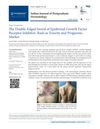
 In this reported case, a 50-year-old man developed an acneiform rash, a common skin side effect of EGFR inhibitor therapy, after starting lapatinib for breast cancer; treatment with doxycycline and hydrocortisone cream led to significant improvement within one week.
 34 citations
,
October 2024 in “Clinical Cosmetic and Investigational Dermatology”
34 citations
,
October 2024 in “Clinical Cosmetic and Investigational Dermatology” This review discusses azelaic acid's mechanisms and uses in dermatology, noting its effectiveness in treating conditions like rosacea, acne, and melasma, but reports no new clinical results.
 January 2018 in “Springer eBooks”
 This chapter reviews the skin side effects associated with targeted cancer therapies and emphasizes the importance of collaboration between oncologists and dermatologists without reporting new results.
 32 citations
,
January 2012 in “International Journal of Dermatology”
32 citations
,
January 2012 in “International Journal of Dermatology” This study reported that the most common skin side effect of epidermal growth factor receptor inhibitors was a papulopustular rash, treatable with symptom-targeted therapies, while drug suspension was rarely needed.
 26 citations
,
October 2018 in “Clinical & Translational Oncology”
26 citations
,
October 2018 in “Clinical & Translational Oncology” This review outlines dermatological toxicities associated with targeted cancer therapies and immunotherapies, emphasizing the need for collaborative management by oncologists and dermatologists but reports no new clinical findings.
 2 citations
,
October 2016
2 citations
,
October 2016 This article discusses the range of skin-related side effects caused by chemotherapy and radiotherapy, including novel patterns emerging with targeted therapies, but does not report new clinical results.
 466 citations
,
August 2004 in “Journal of the American Academy of Dermatology”
466 citations
,
August 2004 in “Journal of the American Academy of Dermatology” This article reviews the current literature on rosacea, focusing on the new subtype classification system and the main theories of its pathogenesis, but reports no new clinical results.
 172 citations
,
December 2004 in “Journal of The American Academy of Dermatology”
172 citations
,
December 2004 in “Journal of The American Academy of Dermatology” In this study, demodicoses were found to be relatively common among immunocompetent patients, with a notable overlap with papulopustular rosacea.
 126 citations
,
October 1983 in “Journal of The American Academy of Dermatology”
126 citations
,
October 1983 in “Journal of The American Academy of Dermatology” This report verifies isotretinoin's significant efficacy in treating severe acne over the past year in the U.S., highlighting the need for careful patient selection and monitoring due to potential side effects.
 42 citations
,
April 2012 in “Seminars in Oncology”
42 citations
,
April 2012 in “Seminars in Oncology” This review discusses the skin side effects associated with targeted cancer therapies and reports no new clinical results; it emphasizes the need for empirical management based on expert opinion.
 29 citations
,
September 2017 in “Oncology and therapy”
29 citations
,
September 2017 in “Oncology and therapy” This review discusses the common dermatologic side effects of epidermal growth factor receptor inhibitors and provides practical guidance for recognizing and managing these effects; it reports no new clinical results.
 15 citations
,
February 2017 in “Nursing Clinics of North America”
15 citations
,
February 2017 in “Nursing Clinics of North America” This article reviews common skin reactions associated with epidermal growth factor receptor inhibitors and reports no new clinical findings, emphasizing the need for understanding nursing care and oncodermatology.
 November 2023 in “Berkala Ilmu Kesehatan Kulit dan Kelamin/Berkala ilmu kesehatan kulit dan kelamin (Periodical of dermatology and venerology)”
 This study suggests that using a dermoscope, a handheld microscope, can effectively help distinguish between Pityrosporum folliculitis and Acne vulgaris by revealing unique lesion characteristics that are not visible to the naked eye, offering a practical diagnostic alternative when KOH examinations are unavailable.
 October 2021 in “Revista Medicina Cutánea Ibero-Latino-Americana”
 This case report describes a patient who developed PRIDE syndrome-associated skin issues, including a pruritic papulopustular rash and alopecia, after starting treatment with the EGFR inhibitor erlotinib.