 May 2015 in “Journal of The American Academy of Dermatology”
 The Nd:YAG laser is a successful and safe way to treat ingrown and pincer nails.
May 2015 in “Cancer research” This study found that persistent significant alopecia was a common side effect following FEC-docetaxel chemotherapy, with a 33.4% global incidence, highlighting the need for awareness and potential preventative measures like cooling caps during treatment.
 January 2015 in “Indian Dermatology Online Journal”
 This diagnostic discussion reports that diffuse alopecia areata was identified in a patient with diffuse hair loss, based on specific histopathological features observed in a biopsy.
January 2015 in “Journal of Practical Dermatology” This study found that in children with alopecia areata, younger age of onset was associated with more severe hair loss and a longer duration of the disease.
 March 2014 in “Journal of The American Academy of Dermatology”
 Reflectance confocal microscopy can noninvasively diagnose onychomatricoma by showing unique features different from healthy nails or nail fungus.
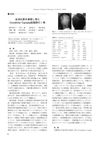 January 2014 in “Progress of Digestive Endoscopy”
 This case report describes a 60-year-old woman with Cronkhite-Canada syndrome whose symptoms and polyposis improved following prednisolone therapy, but emphasizes the need for periodic digestive tract screening due to associated cancer risks.
 May 2013 in “Springer eBooks”
 Skin problems in the elderly are unique and may indicate other diseases, involving changes in skin, hair, nails, and increased cancer risk.

Iron supplements may reverse premature graying in iron-deficient individuals; ingrown nails are common in diabetics with certain risk factors; topical finasteride may reduce scalp DHT as effectively as oral finasteride; monilethrix treatment is challenging but some medications can help.
 April 2013 in “Journal of the American Academy of Dermatology”
 Diabetic patients often have ingrown nails due to obesity, high blood pressure, past injuries, bad nail trimming, nail fungus, weak foot pulse, and weak knee reflex.
 February 2013 in “Journal of the American Academy of Dermatology”
 In this study, the HairCheck device was reported to accurately assess changes in hair density and diameter, suggesting its usefulness in monitoring alopecia progression and treatment response.
 March 2012 in “Journal of The American Academy of Dermatology”
 Hair casts are often mistaken for head lice, scalp pain in hair loss is linked to certain nerve factors, eyelash growth treatment is safe and effective, and nail shedding in children may follow hand-foot-mouth disease.
 January 2012 in “Yearbook of Dermatology and Dermatologic Surgery”
 Alopecia areata is a hair loss condition that often starts before age 30 and can affect various body parts, with unpredictable hair regrowth chances.
April 2011 in “www.virtualization.info” This report describes a case of trachyonychia with associated various types of lichen planus in a young male, highlighting the importance of accurate diagnosis for effective treatment.

This article discusses the various skin side effects associated with targeted cancer therapies like tyrosine kinase inhibitors and EGF-R inhibitors but provides no new clinical findings.
 February 2010 in “Journal of The American Academy of Dermatology”
 A woman's nail separation was likely caused by poor blood flow, and a treatment for similar conditions might help.
 July 2009 in “Medical & surgical dermatology”
 Low-dose acitretin helps nail psoriasis, stem cells may treat scarring alopecia, Chinese men have lower baldness rates, lateral foldplasty is good for ingrown toenails, hair diameter helps diagnose female baldness, childhood trauma linked to alopecia areata, certain hair-weaving leads to scalp conditions in African American women, and new methods for hair research and understanding hair and sweat gland development were introduced.
January 2009 in “Beijing Medical Journal” This study found that combined therapy, including oral and topical treatments, was effective in improving severe alopecia areata, with injection site pain and facial hair changes as common side effects.
January 2009 in “Epsilon: Revista de la Sociedad Andaluza de Educación Matemática "Thales"” This report describes a Cronkhite-Canada syndrome patient with severe sepsis and disseminated intravascular coagulation successfully treated using combined therapies, including recombinant human soluble thrombomodulin.
January 2006 in “Elsevier eBooks” This review discusses the regeneration capabilities of various vertebrate tissues, focusing on the unique ability of certain species to regenerate teeth and lens, and reports no new results.
 January 2005 in “Elektronische Hochschulschriften der LMU München (Ludwig-Maximilians-Universität München)”
 This study found that a significant portion of alopecia areata patients achieved at least partial hair regrowth with diphenylcyclopropenon therapy, which was more effective in certain subtypes and disease durations.
This chapter reviews various fungal zoonoses, including dermatophytoses and trichophytosis, and reports no new empirical findings.
January 1999 in “대한피부과학회지” This study found that trichotillomania was more common in younger people, particularly females, and was characterized by increased catagen hair without perifollicular inflammation.
September 1998 in “JEADV. Journal of the European Academy of Dermatology and Venereology/Journal of the European Academy of Dermatology and Venereology” This paper reviews the diverse skin, nail, and hair changes caused by medications, highlighting hyperpigmentation, alopecia, and nail structural alterations, but reports no new data.
 September 1998 in “Journal of The European Academy of Dermatology and Venereology”
 This review summarizes major surveys on Behcet's disease, highlighting its systemic manifestations, with primary morbidity linked to ocular involvement causing severe vision loss or blindness.
This review discusses the link between selenium levels in the environment and related diseases in China, reporting no clinical results; the authors highlight the need for clearer geographic risk and remediation strategies.
 June 1997 in “Australasian Journal of Dermatology”
 This article discusses hair and nail research contributions in dermatology but reports no new clinical findings.
 January 1993 in “Side effects of drugs annual”
 This chapter covers various dermatological drugs, cosmetics, and topical agents, focusing on the properties and uses of propolis, but does not present new clinical findings.
 January 1982 in “Journal of The American Academy of Dermatology”
 Experts discussed treatments for skin conditions in children, emphasizing hydration, cautious medication use, and early intervention for infections.
May 1979 in “Archives of Dermatology” This review discusses the associations between nonscarring alopecia and conditions like vitiligo and autoimmune reactions, but reports no new clinical results.
 109 citations
,
September 2011 in “Human molecular genetics online/Human molecular genetics”
109 citations
,
September 2011 in “Human molecular genetics online/Human molecular genetics” This review discusses keratin disorders and potential RNA interference therapeutics, reporting no new clinical findings but highlighting the promise of siRNA for future treatments.