 28 citations
,
October 2017 in “Journal of Cosmetic and Laser Therapy”
28 citations
,
October 2017 in “Journal of Cosmetic and Laser Therapy” This study found that combining microneedle treatments with 5% minoxidil topical solution led to the greatest increase in hair density among Chinese men with androgenetic alopecia.
 27 citations
,
July 2017 in “Facial Plastic Surgery”
27 citations
,
July 2017 in “Facial Plastic Surgery” This review examines the growing evidence for using platelet-rich plasma in aesthetic procedures such as hair restoration and skin rejuvenation but reports no new clinical results.
 25 citations
,
September 2019 in “PubMed”
25 citations
,
September 2019 in “PubMed” This review discusses the therapeutic potential of platelet-rich plasma in dermatology and highlights the need for standardized treatment protocols, but reports no new clinical results.
 23 citations
,
October 2018 in “Expert Opinion on Drug Safety”
23 citations
,
October 2018 in “Expert Opinion on Drug Safety” This review discusses the safety concerns associated with new treatments for non-scarring alopecias, highlighting that while these therapies such as JAK inhibitors and oral minoxidil show efficacy in hair regrowth, their safety profiles vary significantly, requiring careful consideration of benefits and risks.
 19 citations
,
May 2021 in “Clinical, Cosmetic and Investigational Dermatology”
19 citations
,
May 2021 in “Clinical, Cosmetic and Investigational Dermatology” This review discusses the progress in research on topical formulations for treating alopecia, highlighting potential advantages of advanced formulation technologies but reporting no new clinical results.
 19 citations
,
December 2020 in “Plastic and Reconstructive Surgery”
19 citations
,
December 2020 in “Plastic and Reconstructive Surgery” This article reviews the use of platelet-rich plasma for skin rejuvenation and hair regrowth, noting positive outcomes despite variability in preparation and a lack of standardized protocols.
 19 citations
,
August 2019 in “Seminars in Plastic Surgery”
19 citations
,
August 2019 in “Seminars in Plastic Surgery” This review explains the biology and preparation of platelet-rich plasma and discusses its clinical applications in plastic surgery, but reports no new findings.
17 citations
,
November 2021 in “Journal of Cosmetic Dermatology” This review discusses treatment options for androgenetic alopecia, highlighting the need for personalized, evidence-based approaches but reports no new clinical results.
 16 citations
,
September 2019 in “Aesthetic Plastic Surgery”
16 citations
,
September 2019 in “Aesthetic Plastic Surgery” Platelet-rich plasma therapy helps improve atrophic acne scars.
14 citations
,
June 2021 in “Archives of Dermatological Research” In this study, researchers evaluated the use of adipocyte-derived stem cell conditioned media combined with fractional laser or microneedling for treating refractory alopecia areata, finding that 64.3% of patients had significant hair regrowth, suggesting this combination may be an effective and safe treatment option.
 14 citations
,
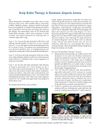
January 2014 in “Journal of Cutaneous and Aesthetic Surgery”
14 citations
,
January 2014 in “Journal of Cutaneous and Aesthetic Surgery” Scalp Roller therapy helped improve hair growth in patients with hard-to-treat alopecia areata.
13 citations
,
July 2019 in “PubMed” This article reviews various nonsurgical treatments for patterned hair loss, emphasizing options like minoxidil, finasteride, and low-level laser therapy, but does not report specific study results.
 11 citations
,
June 2020 in “Journal of cosmetic dermatology”
11 citations
,
June 2020 in “Journal of cosmetic dermatology” In this study, a home-use microneedle device combined with 5% minoxidil showed potential for enhancing hair growth in pattern hair loss over six months, although the observed improvements in hair count and patient assessments were not statistically significant compared to other treatments.
9 citations
,
April 2025 in “Stem Cell Research & Therapy” This review suggests that MSC-derived conditioned media hold promise in dermatology, with studies indicating enhanced therapeutic effects when used alongside treatments like laser therapy and microneedling, leading to improved dermatological outcomes.
 7 citations
,
May 2022 in “The Journal of Dermatology”
7 citations
,
May 2022 in “The Journal of Dermatology” This narrative review found that post-COVID-19 hair loss, particularly telogen effluvium, poses a significant mental and social burden, with minoxidil potentially aiding recovery, although more clinical research is needed to confirm its effectiveness.
 5 citations
,
October 2021 in “Dermatologic Surgery”
5 citations
,
October 2021 in “Dermatologic Surgery” This review found that platelet-rich plasma shows potential in improving melasma, though its overall benefit varies across different treatment methods and may not enhance results when combined with certain other treatments.
5 citations
,
August 2021 in “Clinics in dermatology” This review examines the use of platelet-rich plasma in aesthetic medicine and reports no new clinical results, highlighting the need for further research into its efficacy and safety.
 5 citations
,
April 2015 in “HSOA journal of clinical dermatology & therapy”
5 citations
,
April 2015 in “HSOA journal of clinical dermatology & therapy” This article reviews alopecia areata treatments, noting varied outcomes, and reports no new clinical results.
 5 citations
,
August 2013 in “The Journal of Pediatrics of Korean Medicine”
5 citations
,
August 2013 in “The Journal of Pediatrics of Korean Medicine” This case study reports that a 13-year-old girl with changing types of alopecia experienced resolution and maintenance of hair regrowth after using various Korean medical treatments, but further research is needed.
 4 citations
,
December 2021 in “Journal of Pharmacopuncture”
4 citations
,
December 2021 in “Journal of Pharmacopuncture” This study reports that the microneedle therapy system has demonstrated significant effects on acne, acne scars, and hair loss treatment without serious side effects in Korean studies over the past decade.
 4 citations
,
September 2019 in “Journal of The American Academy of Dermatology”
4 citations
,
September 2019 in “Journal of The American Academy of Dermatology” This study found that combining platelet-rich plasma with microneedling or fractional CO2 laser therapy was more effective in treating postacne atrophic scars than using these therapies alone, also boosting patient satisfaction.
 4 citations
,
July 2020 in “Journal of Dermatological Treatment”
4 citations
,
July 2020 in “Journal of Dermatological Treatment” This study found that intralesional minoxidil alone has limited efficacy for non-severe patchy alopecia areata, though it may accelerate hair regrowth compared to spontaneous recovery.
 3 citations
,
November 2021 in “Clinical, Cosmetic and Investigational Dermatology”
3 citations
,
November 2021 in “Clinical, Cosmetic and Investigational Dermatology” This review evaluated existing studies on platelet-rich plasma for facial rejuvenation and found limited clinical evidence supporting its effectiveness, suggesting that more research is needed to establish its utility.
 3 citations
,
January 2019 in “Dermatology and therapy”
3 citations
,
January 2019 in “Dermatology and therapy” This study found that standardized scalp massages may help stabilize or regrow hair in individuals with androgenic alopecia, as perceived by the participants themselves.
 3 citations
,
February 2014 in “Dong-ui saengni byeongni hakoeji”
3 citations
,
February 2014 in “Dong-ui saengni byeongni hakoeji” This study found that micro needle roller therapy enhanced hair follicle development and increased growth factor expression in C57BL/6 mice, suggesting potential benefits for alopecia treatment.
2 citations
,
May 2024 in “PubMed” This study found that the current evidence is of low or very low certainty and thus does not clearly support using PRP in combination with microneedling or laser therapy for treating acne scars, indicating a need for further well-designed studies.
 2 citations
,
November 2018 in “Destaques Acadêmicos”
2 citations
,
November 2018 in “Destaques Acadêmicos” This review examines available aesthetic treatments for androgenetic alopecia, finding that microneedling shows the most promising results among the methods evaluated, including low-level laser therapy and mesotherapy.
1 citations
,
August 2024 in “Cosmetics” This review summarizes current melasma treatments, emphasizing the need for tailored, long-term management strategies that integrate photoprotection and address various pathogenic mechanisms.
This review discusses various physical therapies for androgenetic alopecia, reporting that low-level laser therapy has the most evidence but highlighting other promising treatments, such as non-ablative lasers and multimodal approaches, that warrant further investigation.
1 citations
,
December 2023 in “Life” This article discusses the potential role of telocytes in skin regeneration and the need to understand their interaction with platelet-rich plasma, reporting no new experimental results.