January 2025 in “Bali Medical Journal” This study found a significant correlation between aerobic and anaerobic bacteria in the scalp microbiome and female androgenetic alopecia, with notable prevalence differences in specific bacterial groups between affected and non-affected women.
May 2018 in “Digital ProScholar Media eBooks” This study evaluated the antimicrobial activity of a newly synthesized fluoroquinolone against Staphylococcus, Streptococcus, and Escherichia coli strains. The researchers compared results from the microdilution technique and agar disk diffusion method to EUCAST's recommended breakpoint values, building on promising in silico molecular docking tests.
 September 2023 in “International Journal of Cosmetic Science”
 The researchers observed that two non-antimicrobial shampoos caused a significant increase in fungal germs but did not affect the overall scalp microbiota diversity over two weeks, suggesting these formulations may preserve or stimulate the scalp microbiota without adverse effects.
1 citations
,
November 2024 in “Pathogens” This study provides a comprehensive analysis of over two decades of lung microbiome research, highlighting increasing publication and citation trends, key authors, institutions, and emerging research frontiers, while identifying areas needing more exploration for future studies.
4 citations
,
April 2022 in “Microorganisms” In this study, clinically used preoperative skin preparations with povidone iodine and chlorhexidine gluconate did not meet FDA log-reduction standards for bacterial bioburden in a porcine model, suggesting persistent infection risks.
 July 2024 in “Journal of Bioscience and Bioengineering”
 This study identified 65 bacterial species from human hair with varying carbon metabolic capabilities and proposed a systematic way to evaluate their ease of isolation under different conditions.
 June 2025 in “Microorganisms”
 In this study, researchers observed significant differences in hair follicle microbiome diversity and microbial composition between hair loss and healthy groups, uncovering specific patterns and functional changes associated with female pattern hair loss, which may aid future targeted approaches for androgenetic alopecia.
This study found that four bacterial isolates from a microbiology laboratory collection demonstrated resistance to selenate, with molecular analysis showing they closely resemble different strains of Bacillus megaterium.
 1 citations
,
February 1968 in “Surgical Clinics of North America”
1 citations
,
February 1968 in “Surgical Clinics of North America” This study found that reducing skin bacteria through cage changes or antibiotics decreased wound-induced hair follicle neogenesis and slowed healing, suggesting skin microbiota and IL-1β signaling are important for regeneration.
 April 2024 in “Frontiers in cellular and infection microbiology”
 This review highlights evidence supporting the potential of blue light therapy as a non-invasive treatment for managing skin and hair conditions by modulating interactions between the skin microbiome and its host.
April 2026 in “Clinical Cosmetic and Investigational Dermatology” This study found that androgenetic alopecia involves fungal dysbiosis, with significant depletion of the commensal yeast Malassezia and enrichment of opportunistic microbes, affected by host factors and geography.
December 2025 in “International Journal of Innovative Technologies in Social Science” This study found that disruptions in the skin microbiome, known as dysbiosis, play a significant role in various skin conditions, including atopic dermatitis, psoriasis, acne, rosacea, skin cancer, and impaired wound healing, by altering immune responses and barrier functions.
11 citations
,
November 2021 in “International journal of molecular sciences” In this study, germ-free male mice showed altered levels of certain neuroactive steroids in the brain and periphery, suggesting microbiota may influence neuroendocrine pathways that support brain functioning.
5 citations
,
October 2020 in “Food Science and Technology” This study identified nine fungal genera, including Aspergillus, Penicillium, and Cladosporium, in dry salted shrimp samples from Rio Branco, Acre, highlighting the need for improved hygienic practices in processing to prevent potential public health risks from mycotoxin producers.
4 citations
,
December 2023 in “Clinical Cosmetic and Investigational Dermatology” This study found that in people with leprosy sequelae, ulcers on the lower limbs exhibited decreased microbial diversity and reduced abundance of specific bacteria compared to normal skin, with skin metabolites closely linked to these microbial changes.
 5 citations
,
January 2024 in “American Journal of Translational Research”
5 citations
,
January 2024 in “American Journal of Translational Research” This research highlighted that the gut microbiota may influence ovarian health, suggesting it could be used as a biomarker for early diagnosis and treatment of diseases like PCOS, ovarian insufficiency, and ovarian cancer due to its impact on hormone levels.
 April 2018 in “Journal of Investigative Dermatology”
 This study found that palmoplantar pustulosis patients exhibited oral dysbiosis, particularly among those with pustulotic arthro-osteosis, as compared to healthy controls.
19 citations
,
August 2024 in “Cell Host & Microbe” April 2023 in “Journal of Investigative Dermatology” Staphylococcus epidermidis affects hair growth and metabolism, suggesting it could help manage hair growth issues.
This study observed that in young women, the scalp microbiota is influenced by sebum level, barrier sensitivity, and lifestyle factors, with barrier sensitivity emerging as a key factor, offering insights for further research into scalp health and conditions.
 73 citations
,
April 2019 in “Experimental Dermatology”
73 citations
,
April 2019 in “Experimental Dermatology” This review explores the hair follicle microbiome's interaction with the immune system, discussing its potential clinical implications for scalp health and disease but reports no new clinical results.
 September 2023 in “Current opinion in microbiology”
 This source discusses how the skin mycobiome, dominated by Malassezia fungi, may provide a unique niche that can be disrupted by environmental changes, potentially leading to the fungal pathogen C. auris overtaking Malassezia and predisposing individuals to severe infections.
 3 citations
,
November 2017 in “International Journal of Pharmacy and Pharmaceutical Sciences”
3 citations
,
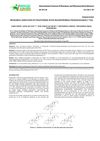
November 2017 in “International Journal of Pharmacy and Pharmaceutical Sciences” This study identified new oxidative derivatives of finasteride, including a newly discovered metabolite, by using the fungus Macrophomina phaseolina.
 17 citations
,
September 2020 in “Journal of Endocrinological Investigation”
17 citations
,
September 2020 in “Journal of Endocrinological Investigation” This study found that the gut microbiota composition in patients with post-finasteride syndrome differs significantly from healthy controls, with reduced diversity and specific microbial changes, suggesting a potential diagnostic marker and therapeutic target.
37 citations
,
August 2019 in “Frontiers in Microbiology” This study found that the S. epidermidis A/C lineage is more pathogenic due to its metabolic and genomic versatility, which allows it to adapt quickly from a commensal to a pathogenic lifestyle.
June 2026 in “Clinical and Experimental Dermatology” This study reviewed 55 studies to assess the bacterial microbiome in hair follicles across different inflammatory skin and hair conditions, reporting shifts in the abundance of Cutibacterium and Staphylococcus among various diseases, though the causal significance remains unclear.
1 citations
,
June 2024 in “Access Microbiology” This study found that certain non-dermatophytic moulds, specifically *Absidia* sp., *Cladosporium tenuissimum*, and *Aspergillus welwitschiae*, can cause skin symptoms such as discoloration and lesions in albino mice, suggesting potential virulence due to enzyme activity.
February 2026 in “Middle European Scientific Bulletin” In this study, researchers explored the formation of the skin's epidermal barrier, its interplay with skin microbiota, and the role of skin appendages, suggesting that probiotics might offer promising avenues for treating scalp diseases, particularly those affecting hair loss.
January 2024 in “Metabolites” This review highlights the importance of standardizing pre-analytical procedures for collecting and extracting samples from uncommon biological specimens like breast milk and sweat in clinical metabolomics, to enhance diagnostic and biomarker discovery efforts while minimizing contamination and bias.
8 citations
,
July 2025 in “Gels” This review discusses how functionalized hydrogels can modulate the microbiome to aid tissue regeneration and infection control, highlighting their potential to deliver therapeutic agents effectively and support beneficial immune responses.