 January 2026 in “Medico Research Chronicles”
 In this case study, the researchers at Dr Batra’s® Homeopathy Clinic reported that an individualized classical homeopathic treatment notably improved hair density, thickness, and scalp health, along with enhancing quality of life, in a middle-aged woman with chronic androgenetic alopecia.
 July 2025 in “International Journal of Homoeopathic Sciences”
 In this case study, an 8-year-old girl with complete hair loss on her head was successfully treated with individualized homoeopathic medicine, Natrum Muriaticum, over four months, suggesting a positive role for homoeopathy in treating alopecia areata.
 5 citations
,
April 2021 in “International Journal of Homoeopathic Sciences”
5 citations
,
April 2021 in “International Journal of Homoeopathic Sciences” This article reviews Acne Keloidalis Nuchae and presents a successful treatment case using Homoeopathy, emphasizing the need for individualized treatment approaches, but reports no new clinical results.
 June 2026 in “International Journal of Homoeopathic Sciences”
 This case report from Dr Batra's® Homeopathy Clinic describes a 51-year-old male with chronic facial melasma, where individualized homeopathic treatment and integrative skin therapies led to sustained improvement in pigmentation, complexion, and skin texture over time.
 June 2026 in “International Journal of Homoeopathic Sciences”
 In this case report, a woman with PCOS, hypothyroidism, and hair loss after miscarriage experienced significant improvement in hair health and confidence following individualized homeopathic treatment, nutritional correction, and hair therapy at Dr Batra’s® Homeopathy Clinic.
 June 2026 in “International Journal of Homoeopathic Sciences”
 In this case report, the researchers observed that a woman with longstanding Alopecia Universalis, who had not responded to various treatments, experienced hair regrowth and improved quality of life after two years of individualized homeopathic treatment centered around Natrum Muriaticum.
 June 2026 in “International Journal of Homoeopathic Sciences”
 In this case report, a 36-year-old woman with alopecia areata experienced significant hair regrowth and reduced hair fall after 8 months of individualized homeopathic treatment combined with nutritional support, along with normalization of thyroid and ferritin levels.
 May 2026 in “International Journal of Homoeopathic Sciences”
 In this case report, a 28-year-old woman with alopecia areata experienced reduced hair fall and gradual hair regrowth following treatment with individualized homeopathy, but the authors note that further studies with larger patient groups are needed to confirm these findings.
 April 2026 in “International Journal of Homoeopathic Sciences”
 This case study reports that individualised homoeopathic treatment with Calcarea carbonica led to noticeable improvement in acne vulgaris for a 27-year-old woman over six months, after conventional treatments failed to produce significant results.
 February 2026 in “Medico Research Chronicles”
 In this case study, a 7-year-old boy with Down syndrome and alopecia areata experienced notable hair regrowth, improved gut function, and emotional stability with individualized homeopathic treatment, whereas prior allopathic approaches were ineffective.
 January 2026 in “Medico Research Chronicles”
 In this case study, a 7-year-old boy with Down syndrome and conditions like alopecia areata and gluten intolerance showed hair regrowth, improved gut function, and emotional stabilization following individualized homeopathic treatment, succeeding where prior allopathic interventions failed.
 January 2026 in “Journal of Case Reports and Scientific Images”
 This case study reports significant hair regrowth and healing of pustular lesions in a 29-year-old woman with alopecia areata under individualized homeopathic treatment at Dr Batra’s, following prior unsatisfactory outcomes from allopathic and Ayurvedic approaches.
 January 2026 in “Journal of Homeopathy Studies”
 In this case study, a young woman with chronic hair issues and emotional distress experienced marked hair regrowth and emotional well-being improvement after one year of individualized homeopathic treatment at Dr Batra’s®, following limited success with other interventions.
 January 2026 in “Journal of Case Reports and Scientific Images”
 This paper highlights the potential efficacy of constitutional homeopathic medicine, supplemented with dietary guidance and management of associated diseases like thyroid disorders, in treating alopecia areata to expedite recovery and reduce recurrence.
 July 2025 in “International Journal of Medicine Sciences”
 This case study observed that an integrated treatment combining homeopathy and bioengineered hair therapy led to significant improvements in hair density, reduced hair fall, and emotional well-being for a woman with androgenetic alopecia.
 July 2025 in “Journal of Case Reports and Scientific Images”
 This study reports that a patient with severe, treatment-resistant alopecia areata experienced sustained hair regrowth and emotional improvement over 24 months following individualized homeopathic treatment, suggesting homeopathy may be a viable therapeutic option when conventional treatments fail.
 July 2025 in “International Journal of Homoeopathic Sciences”
 This case study observed that individualized homoeopathic treatment with Calcarea carbonica led to improvements in psychological stability, general well-being, and various symptoms of hypothyroidism, including menstrual regularity and hair fall reduction, in a 27-year-old female patient over six months.
 April 2025 in “International Journal of Homoeopathic Sciences”
 In this case report, a 7-year-old boy with patchy hair loss due to alopecia areata showed significant hair regrowth and improvement in psychological well-being after a holistic homeopathic treatment identified emotional distress as a root cause.
 January 2025 in “International Journal of Research in Medical Science”
 In this case report, a 47-year-old male with Alopecia Universalis experienced complete hair regrowth after more than two years of homeopathic treatment under Dr. Batra’s care.
 January 2025 in “Journal of Case Reports and Scientific Images”
 In this case study, an 8-year-old girl with alopecia areata showed hair regrowth in patches following homeopathic treatment, suggesting a positive response to this therapeutic approach.
 January 2024 in “International Journal of Homoeopathic Sciences”
 In this case series, the researchers reported successful individualized homeopathic treatment for alopecia areata in three patients, with each case receiving a specific remedy—Natrum Muriaticum, Calcarea Carbonica, or Argentum Nitricum—resulting in positive treatment outcomes.
 January 2017 in “Journal of traditional medicine & clinical naturopathy”
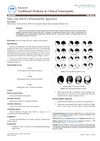
 This paper discusses using homoeopathic treatments combined with trichology techniques to diagnose and treat various types of hair loss, including those linked to conditions like anemia and stress, but does not report specific results.

This article explores whether Melampus, a mythological healer, may have intentionally caused the madness of Proetus' daughters through the use of herbs, despite being credited with their cure.
June 2023 in “Lithuanian University of Health Sciences”  March 2026 in “International Journal of Homoeopathic Sciences”
 This review discusses the growing problem of alopecia and suggests that homeopathy, alongside lifestyle changes, may effectively manage different types of hair loss, though it reports no new clinical findings.
January 1972 in “Open PRAIRIE (South Dakota State University)” This research explored potential mechanisms for the toxicity of mimosine but did not identify a conclusive reason for its adverse effects.
7 citations
,
January 2008 in “Indian Journal of Dermatology” This review discusses the clinical manifestations and genetic basis of pigmentary mosaicism, highlighting its varied phenotypic expressions, but reports no new clinical results.

This study found that despite some differences, homoeopaths and izinyanga in KwaZulu-Natal share similar views on managing acne vulgaris, both considering it a symptom of deeper issues.
 8 citations
,
November 1990 in “Archives of Dermatology”
8 citations
,
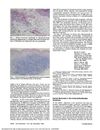
November 1990 in “Archives of Dermatology” This case report details a woman with eosinophilia-myalgia syndrome associated with L-tryptophan ingestion, highlighting skin lesions with abundant dermal mucin.
 May 2009 in “South African Family Practice”
 The author believes that giving medical conditions official names can sometimes overwhelm or scare patients.