1 citations
,
August 2025 This study found that GLP-1 receptor agonists show potential for improving psoriasis and hidradenitis suppurativa by reducing inflammation and lesion severity, but they also pose dermatological risks such as alopecia and injection site reactions.
 December 2023 in “PubMed”
 In this case report, pediatric HAIR-AN syndrome with severe acanthosis nigricans was significantly improved with metformin and liraglutide treatment, suggesting that early diagnosis and supportive treatment for symptoms like unexplained acanthosis nigricans and menstrual disorders can enhance quality of life.
 2 citations
,
January 2025 in “Cutis”
2 citations
,
January 2025 in “Cutis” This review examined the dermatologic side effects and potential treatments benefits of metformin and GLP-1/GIP agonists in managing skin conditions related to hormonal and immune effects in individuals with type 2 diabetes who are overweight or obese.
2 citations
,
September 2025 in “Frontiers in Pharmacology” In a study using diabetic rats, researchers found that oral empagliflozin accelerated wound healing by reducing inflammation and oxidative stress, indicating potential benefits beyond blood sugar control for managing diabetic wounds.
 1 citations
,
June 2001 in “Annals of Internal Medicine”
1 citations
,
June 2001 in “Annals of Internal Medicine” This letter to the editor discusses data from a study on troglitazone for lipodystrophy, noting significant increases in subcutaneous fat without dietary changes.
 May 2023 in “Journal of Investigative Dermatology”
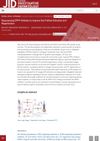
 In this study, researchers found that topical application of the diabetes medication Sitagliptin in mice accelerates hair follicle regeneration and reduces fibrosis, suggesting it could be repurposed to treat hair loss conditions like alopecia.
 43 citations
,
August 2010 in “Expert Opinion on Investigational Drugs”
43 citations
,
August 2010 in “Expert Opinion on Investigational Drugs” This review explores the potential of selective 11β-HSD1 inhibitors to improve insulin sensitivity in type 2 diabetes, emphasizing the need for more clinical research and reports no new clinical results.

This study found that GLP-1 receptor agonists are linked to a significant 40% increased risk of non-scarring alopecia, which may result from weight loss-induced micronutrient deficiency.

This study found that GLP-1 receptor agonists are linked to a 40% increased risk of non-scarring alopecia in adults, mainly due to weight loss-induced micronutrient deficiencies, with semaglutide and tirzepatide showing the highest hair loss signals.
July 2025 in “International Journal of Dermatology” July 2026 in “Journal of Investigative Dermatology” GLP-1 therapies can cause hair loss, but hair often regrows after stopping or reducing the drug.
12 citations
,
June 2024 in “JAAD Case Reports” Tirzepatide may improve hair loss by reducing insulin resistance.
5 citations
,
August 2024 in “Cureus” In this study, GLP-1 receptor agonists reduced BMI and improved metabolic and reproductive outcomes in women with PCOS, though the long-term effects remain unclear.
June 2026 in “Annals of Clinical Pathology” This review discusses how glucagon-like peptide-1 receptor agonists, used for type 2 diabetes and obesity, may cause skin aging and hair loss, and explores methylene blue as a potential protective treatment.
 January 2026 in “Zenodo (CERN European Organization for Nuclear Research)”
 Finasteride and bicalutamide can affect blood sugar, so diabetics need monitoring.
 January 2026 in “Zenodo (CERN European Organization for Nuclear Research)”
 Finasteride and bicalutamide can affect blood sugar, so diabetics need monitoring.
 October 2004 in “Australian Prescriber”
 This review discusses the lack of long-term clinical studies on metformin's cardiovascular benefits in women with polycystic ovary syndrome, highlighting lifestyle changes as a crucial management strategy for reducing associated risks.

This study found that self-monitoring blood pressure among pregnant women with hypertension did not significantly improve clinical outcomes compared to usual care, though women reported positive cognitive and emotional responses.
 January 2025 in “Cermin Dunia Kedokteran”
 This study reported that hypoglycemia is a more frequent complication in type 1 diabetes patients than in type 2, primarily due to inappropriate insulin and anti-diabetes medication dosing.
July 2026 in “JAAD reviews.” This literature review highlights a potential but uncertain link between GLP-1 receptor agonist therapy for type 2 diabetes and obesity and hair loss, with variations among different medications.
 October 2004 in “Australian Prescriber”
 This abstract reviews the management of polycystic ovary syndrome and highlights the potential benefits of lifestyle changes over metformin in reducing type 2 diabetes risk, yet reports no new clinical outcomes.
 April 2026 in “Open MIND”
 This review article discusses the aesthetic impacts of GLP-1 medications like Ozempic (semaglutide), including "Ozempic Face," skin sagging, and loss of lean mass, and explores potential recovery methods such as biostimulators, HIFU, endolaser, and PRP.
4 citations
,
March 2025 in “Journal of Cosmetic Dermatology” This study highlights a potential association between semaglutide, a diabetes medication, and increased reports of hair loss, with researchers calling for more rigorous clinical trials to confirm and better understand the risk.
April 2026 in “Science Progress” This study found that among users of glucagon-like peptide-1 receptor agonists, semaglutide and tirzepatide were associated with higher incidences of hair loss, particularly androgenetic alopecia and telogen effluvium, with rapid weight loss identified as a potential contributor to telogen effluvium.
June 2026 in “Skin Appendage Disorders” This meta-analysis found that GLP-1 receptor agonists are associated with a 40% increased risk of non-scarring alopecia, likely due to weight loss-induced micronutrient deficiency, with significant associations for telogen effluvium and androgenetic alopecia. However, some patients with central centrifugal cicatricial alopecia showed improvement.
40 citations
,
December 2023 in “Acta Pharmacologica Sinica”  September 2025 in “Cureus”
 This review suggests that GLP-1 receptor agonists may improve various dermatologic conditions, but larger studies are needed to confirm these findings.
 October 2025 in “JEADV Clinical Practice”
 This study found that patients using GLP-1 receptor agonists, specifically liraglutide, dulaglutide, and semaglutide, had a higher likelihood of being diagnosed with androgenetic alopecia, while those on exenatide showed increased odds for both androgenetic alopecia and telogen effluvium.
 1 citations
,
January 2024 in “NPJ breast cancer”
1 citations
,
January 2024 in “NPJ breast cancer” This study, using modified Delphi panels, provided consensus recommendations for managing alpelisib-induced hyperglycemia and rash, advising prophylactic metformin starting for certain risk groups and the use of nonsedating H1 antihistamines and topical steroids for initial rash management.
1 citations
,
August 2021 in “Journal of Investigative Dermatology” ASLAN004 was safe and well-tolerated, supporting further development for treating certain diseases.