 4 citations
,
January 2024 in “JEADV. Journal of the European Academy of Dermatology and Venereology/Journal of the European Academy of Dermatology and Venereology”
4 citations
,
January 2024 in “JEADV. Journal of the European Academy of Dermatology and Venereology/Journal of the European Academy of Dermatology and Venereology” This consensus statement outlines a treatment algorithm for alopecia areata, detailing systemic treatment indications and options, including EMA-approved medications baricitinib and ritlecitinib for severe cases, as well as other off-label treatments and adjuvant therapies like oral minoxidil.
 March 2023 in “Translational Andrology and Urology”
 This review discusses the pharmacology of 5-alpha reductase inhibitors, their expanding clinical indications beyond benign prostatic hyperplasia, and notes unresolved claims about their potential role in SARS-CoV-2.
 May 2022 in “Голова и шея.”
 This study observed that elderly women exhibited a tendency for higher personal anxiety and increased brain DC-potential indicators, with distinct energy cost patterns in different brain regions compared to elderly men.
 July 2021 in “Indian journal of dermatopathology and diagnostic dermatology”
 In this study, researchers documented several trichoscopic features that were statistically significant indicators of alopecia and scalp disorders compared to healthy controls.
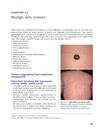
This chapter classifies various benign skin tumors and discusses their characteristics, treatment indications, and potential for recurrence, but reports no new clinical findings.

This study describes a computational method using side-effect data from social media to identify new drug indications, suggesting it could be effective for drug repositioning.

The researchers reported that a new computational method using side-effect data from social media effectively recovers known drug indications and identifies trial indications, suggesting utility for computational drug repositioning.

This study developed a computational method using side-effect data from social media to identify potential new drug indications, showing that it successfully recovered known and trial indications.

This study found that a new computational method using side-effect data from social media can successfully identify known and potential new drug indications for repositioning efforts.
 January 1983 in “Elsevier eBooks”
 This article reviews the discovery and various physiological effects of cyproterone acetate, reporting its established indications for several androgen-driven conditions but providing no new clinical data.
 38 citations
,
June 2005 in “Contact Dermatitis”
38 citations
,
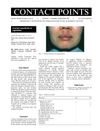
June 2005 in “Contact Dermatitis” This case report describes a patient with an allergic sensitization to minoxidil, indicating that such patients should pursue alternative therapies to treat androgenetic alopecia.
 June 2026 in “Dermatology and Therapy”
 In this commentary, the authors discuss emerging evidence primarily from pharmacovigilance data and retrospective studies indicating a potential association between GLP-1 receptor agonists, like semaglutide and tirzepatide, and hair loss, although causality remains unproven, prompting recommendations for patient monitoring and further research.
January 2022 in “Indian Journal of Paediatric Dermatology” This case study reports that patchy nonscarring alopecia without systemic involvement can be an atypical initial indication of juvenile onset systemic lupus erythematosus.
 245 citations
,
January 2018 in “Bone Research”
245 citations
,
January 2018 in “Bone Research” This review discusses the role of TGF-β signaling in stem cell recruitment and tissue regeneration, indicating that abnormalities in TGF-β activation contribute to various major diseases and suggesting avenues for therapeutic intervention.
 165 citations
,
September 2001 in “Genes & development”
165 citations
,
September 2001 in “Genes & development” This study found that Cutl1 mutant mice experienced retarded lung differentiation and abnormal hair follicle morphogenesis, indicating the vital role of CDP in lung development and hair follicle cell-lineage specification.
137 citations
,
April 2001 in “Journal of Clinical Investigation” This study found that alopecia in VDR-null mice persists despite undetectable vitamin D levels, indicating a defect in epithelial-mesenchymal communication due to the absence of ligand-independent receptor function.
121 citations
,
December 2001 in “American Journal of Dermatopathology” This study found that trichoblastomas and nodular basal cell carcinomas have similar cytokeratin expression patterns, indicating differentiation towards the outer root sheath epithelium.
117 citations
,
April 2008 in “Developmental biology” This study identified that Eda-A1 unexpectedly induces placode inhibitors dkk4 and lrp4, indicating the importance of tightly regulated signaling for proper ectodermal organ development.
 99 citations
,
October 2006 in “BMC clinical pharmacology”
99 citations
,
October 2006 in “BMC clinical pharmacology” This preliminary study suggests that finasteride might cause depressive symptoms, indicating the need for cautious prescription in patients at high risk for depression.
91 citations
,
June 2011 in “The EMBO Journal” This study demonstrates that hair follicle bulge stem cells can transition into other stem cell compartments, indicating their role in maintaining both hair follicles and sebaceous glands.
88 citations
,
April 2012 in “Journal of Investigative Dermatology” This study suggests that TRPV3 may play a key role in dry skin-related itch, indicating potential for TRPV3 antagonists in treating pruritus resistant to histamine H1R antagonists.
 83 citations
,
August 2014 in “PLoS ONE”
83 citations
,
August 2014 in “PLoS ONE” This study suggests that Demodex mites might universally inhabit adult humans, with a phylogenetic analysis indicating potential undiscovered lineages of the D. brevis species based on geographic differences.
 81 citations
,
June 2014 in “American Journal of Men's Health”
81 citations
,
June 2014 in “American Journal of Men's Health” This study highlights that adverse effects from finasteride may persist in men after discontinuation, indicating a potential "post-finasteride syndrome.
 61 citations
,
February 2001 in “American Journal of Obstetrics and Gynecology”
61 citations
,
February 2001 in “American Journal of Obstetrics and Gynecology” This study suggests that polycystic ovary syndrome symptoms are uncommon among women with metabolic syndrome, indicating it may represent only a specific subset within the broader context of metabolic syndrome.
59 citations
,
July 2023 in “PLoS ONE” This study reveals a high prevalence of multiple sclerosis in Africa, indicating an epidemiological shift in the region and underscoring the need for early prevention and treatment strategies.
 57 citations
,
May 2007 in “Nature”
57 citations
,
May 2007 in “Nature” This study suggests that wounding skin in adult mice can trigger new hair follicle formation, indicating mammalian skin may have greater regenerative capacity than previously thought.
55 citations
,
February 2013 in “The Anatomical Record” This study found that the mouse nail unit structurally resembles the human nail unit, indicating it could be useful for researching nail diseases and biology.
53 citations
,
June 2005 in “The journal of investigative dermatology/Journal of investigative dermatology” This article reviews extensive genetic polymorphisms in the keratin-associated proteins of human hair, indicating complexity but reporting no new clinical results and calls for further research on their potential impact on hair structure.
51 citations
,
March 2001 in “Clinics in dermatology” This study found that bleach treatments significantly increased hair surface roughness and decreased Young's modulus, indicating marked changes in hair's molecular structure which may affect future hair-care product formulation.
 49 citations
,
April 2016 in “International journal of molecular sciences”
49 citations
,
April 2016 in “International journal of molecular sciences” This study found that shift nurses exhibited lower circadian variations compared to daytime nurses, indicating an adjustment of their biological clocks to continuous shift schedules.