 1 citations
,
October 2022 in “Molecular therapy”
1 citations
,
October 2022 in “Molecular therapy” This study found that betibeglogene autotemcel significantly improved transfusion independence in 89% of patients with transfusion-dependent beta-thalassemia, although the high cost and manufacturing challenges may limit widespread adoption.
2 citations
,
September 2023 in “Journal of the American Academy of Dermatology” CTP-543 effectively promotes hair regrowth in adults with moderate to severe alopecia areata.
October 2025 in “Figshare” This meta-analysis found that deuruxolitinib significantly improved hair regrowth and patient satisfaction in those with moderate to severe alopecia areata compared to placebo, though it was associated with manageable side effects such as elevated creatinine kinase levels, headaches, and acne, especially at higher doses.

In this randomized controlled trial, researchers found that after six months of treatment, oral baricitinib was significantly more effective than methotrexate for improving hair regrowth in patients with severe alopecia areata, as measured by the Severity of Alopecia Tool score.
20 citations
,
December 2021 in “Journal of the American Academy of Dermatology” This study found that the oral JAK inhibitors ritlecitinib and brepocitinib were effective in maintaining hair regrowth in alopecia areata with continuous use, though efficacy decreased after withdrawal.
 35 citations
,
May 2008 in “Journal of Clinical Oncology”
35 citations
,
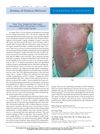
May 2008 in “Journal of Clinical Oncology” A cancer patient died from a severe skin reaction after taking the drug cetuximab.
10 citations
,
June 2022 in “Biomedicine & Pharmacotherapy” This review examines the molecular mechanisms by which the proapoptotic protein ARTS inhibits tumorigenesis and discusses prospects for developing drugs that mimic its function, with no new experimental results reported.
7 citations
,
September 2024 in “The Journal of Dermatology” This study evaluated the effectiveness and safety of ritlecitinib in patients aged 12 or older with alopecia totalis or universalis, finding higher hair regrowth response rates compared to placebo at 24 weeks, with continued improvement and acceptable safety through 48 weeks.
 October 2024 in “Journal of the European Academy of Dermatology and Venereology”
 This study reported that ritlecitinib 50 mg and baricitinib 4 mg showed similar efficacy in treating severe alopecia areata, with no significant difference in hair regrowth outcomes at Week 24, but there remains considerable uncertainty and a need for further research.
 15 citations
,
January 2024 in “The AAPS Journal”
15 citations
,
January 2024 in “The AAPS Journal” This study demonstrates that bioequivalence for proposed 50-mg ritlecitinib capsules versus clinical 100-mg capsules can be supported using a PBPK model-based biowaiver, achieving over 90% probability of success.

In this reported case, a 30-year-old man with a long history of alopecia universalis experienced limited regrowth of eyebrows and eyelashes after six months of deuruxolitinib, despite unchanged scalp hair, suggesting site-specific potential for hair regrowth in challenging cases.
4 citations
,
April 2024 in “Journal of Drugs in Dermatology” In this case report, a severe case of pediatric alopecia areata was treated with topical ruxolitinib, a Janus kinase inhibitor, highlighting the limited but promising evidence for this treatment in children.
October 2025 in “Figshare” This systematic review and meta-analysis reported that deuruxolitinib is effective for hair regrowth and improving patient-reported outcomes in individuals with moderate to severe alopecia areata, but observed manageable treatment-emergent adverse events such as elevated creatinine kinase levels and headaches, particularly with higher doses.
February 2026 in “International Journal of Dermatology” In a single-center study, adolescents with moderate-to-severe alopecia areata treated with ritlecitinib 50 mg daily for 24 weeks showed significant hair regrowth, with 27.3% achieving near-complete regrowth and 45.5% substantial improvement, without serious safety concerns, according to these researchers.
2 citations
,
September 2024 in “Journal of the American Academy of Dermatology” Deuruxolitinib significantly helps regrow scalp hair in adults with moderate to severe alopecia areata.
September 2023 in “Journal of the American Academy of Dermatology” CTP-543 is generally safe for treating alopecia areata.
 January 2009 in “Yearbook of Dermatology and Dermatologic Surgery”
 Etanercept is safe and may help improve hidradenitis suppurativa, but more research is needed.
22 citations
,
May 2011 in “European Journal of Cancer” This phase I study determined that a combination of oral SU-014813 and docetaxel is a feasible treatment with a manageable safety profile and potential anti-tumor activity, particularly noted in melanoma and GIST patients.
March 2026 in “SKIN The Journal of Cutaneous Medicine” This study found that ritlecitinib was well tolerated in children aged 6 to under 12 years with severe alopecia areata, with ongoing trials examining its efficacy and safety over a 24-week period and in long-term use up to 36 months.
2 citations
,
October 2025 in “Frontiers in Medicine” This study found that deuruxolitinib may effectively improve hair regrowth and patient satisfaction in moderate to severe alopecia areata, but careful monitoring is needed due to manageable side effects and concerns about long-term safety.
 2 citations
,
April 2019 in “Dermatologic Therapy”
2 citations
,
April 2019 in “Dermatologic Therapy” A patient with alopecia had hair regrowth with tofacitinib but developed a skin reaction, choosing to continue the treatment despite the side effect.
138 citations
,
March 2021 in “Journal of the American Academy of Dermatology” This study found that treatment with ritlecitinib or brepocitinib was effective in improving scalp hair loss for patients with alopecia areata over 24 weeks compared to placebo.
June 2026 in “Khyber Journal Of Medical Sciences” This study found that among adults with severe alopecia areata, alopecia totalis, or alopecia universalis, oral tofacitinib was more effective than methotrexate in reducing hair loss over a 12-week period, though long-term safety and efficacy remain unestablished.
September 2025 in “Journal of the American Academy of Dermatology” Deuruxolitinib significantly improves hair satisfaction in severe alopecia areata patients.
227 citations
,
April 2023 in “The Lancet” Ritlecitinib effectively treats alopecia areata and is well-tolerated.
4 citations
,
July 2024 in “Pharmacology Research & Perspectives” In this phase 2a study of adults with alopecia areata, researchers observed that ritlecitinib treatment did not result in significant differences in brainstem auditory evoked potential changes or axonal swelling compared to placebo, suggesting the dog toxicity findings may not be clinically relevant in humans.
December 2025 in “Drug Design Development and Therapy” This retrospective study reported that in HER-2-negative metastatic breast cancer patients, anlotinib combined with taxane/capecitabine showed superior disease control rate, progression-free survival, and overall survival compared to bevacizumab plus chemotherapy, with both treatments having tolerable safety profiles.
July 2026 in “Journal of the American Academy of Dermatology” 5 citations
,
April 2016 in “PubMed” This article discusses common skin side effects of EGFR inhibitors like cetuximab, noting their management remains based on clinical experience without strict therapy protocols, but provides no new clinical findings.
45 citations
,
July 2025 in “Journal of Medicinal Chemistry” This article discusses the development and clinical progress of PROTAC technology, particularly focusing on the New Drug Application for vepdegestrant, an estrogen receptor-targeting PROTAC, marking significant advancements in targeted protein degradation therapies.