 July 1996 in “Clinical and Experimental Dermatology”
 This study found that a single topical application of calcipotriol ointment did not affect systemic calcium levels in patients with chronic plaque psoriasis.
 27 citations
,
December 2015 in “Clinical and Experimental Dermatology”
27 citations
,
December 2015 in “Clinical and Experimental Dermatology” This study found that hair regrowth occurred in 72.2% of alopecia areata patients treated with diphencyprone, with disease extent at baseline and duration affecting outcomes.
 1 citations
,
October 2021 in “Cureus”
1 citations
,
October 2021 in “Cureus” This study found that platelet-rich plasma treatment led to significant reductions in lesion sizes for both plaque psoriasis and atopic dermatitis, with many patients achieving complete remission and no adverse events reported.
78 citations
,
May 2019 in “Frontiers in Cellular and Infection Microbiology” This study found that the antimicrobial peptide DPK-060 effectively reduced bacterial counts of Staphylococcus aureus and was safe for topical use in preclinical models, although nanocarrier encapsulation did not enhance its efficacy.
 January 2004 in “Online Publication Service of Würzburg University (Würzburg University)”
 This study found that women with PCOS have higher activity of the enzyme 5alpha-reductase, which may contribute to their elevated androgen levels.
 May 2025 in “The Journal of Rheumatology”
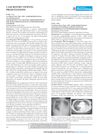
 This case report describes a 47-year-old woman with dilated cardiomyopathy as the first sign of primary antiphospholipid syndrome, highlighting the need for APS screening in similar patient presentations.
39 citations
,
January 2006 in “Journal of Cosmetic and Laser Therapy” This study found that pneumatic skin flattening (PSF) significantly reduces pain and post-treatment erythema during high-energy IPL and laser hair removal while enhancing treatment efficacy.
21 citations
,
September 2019 in “Journal of the American Academy of Dermatology” Ixekizumab effectively treats generalized pustular psoriasis.
 9 citations
,
April 2016 in “Australasian journal of dermatology”
9 citations
,
April 2016 in “Australasian journal of dermatology” This study suggests that adding imiquimod to diphenylcyclopropenone treatment significantly improves outcomes for alopecia areata patients who initially do not respond to diphenylcyclopropenone alone.
September 2023 in “Journal of the American Academy of Dermatology” This study evaluated the effect of guselkumab on moderate to severe plaque psoriasis and found that median PASI improvements increased from around 60% at week 4 to over 90% by week 12 of treatment across multiple clinical trials.
 1 citations
,
November 2025 in “Clinical Chemistry and Laboratory Medicine (CCLM)”
1 citations
,
November 2025 in “Clinical Chemistry and Laboratory Medicine (CCLM)” This study developed a new measurement procedure using isotope dilution-liquid chromatography-tandem mass spectrometry for accurate quantification of DHEAS in human serum or plasma, demonstrating high selectivity, sensitivity, and low measurement uncertainty, making it suitable for routine standardization and clinical evaluation.
 43 citations
,
July 2016 in “European journal of pharmaceutical sciences”
43 citations
,
July 2016 in “European journal of pharmaceutical sciences” This study found that dexamethasone-loaded Eudragit® L 100 nanoparticles displayed controlled drug release depending on pH levels, with minimal toxicity to human fibroblasts.
 1 citations
,
December 2022 in “Life”
1 citations
,
December 2022 in “Life” This review systematically analyzed evidence on treatment options for erosive pustular dermatosis, finding that while potent topical steroids like clobetasol propionate can be effective, recurrence is common, and more robust studies are necessary for stronger recommendations.
 2 citations
,
June 2021 in “PubMed”
2 citations
,
June 2021 in “PubMed” In this study, researchers re-evaluated biopsies from elderly patients with erosive pustular dermatosis of the scalp and identified plasma cell and lymphocyte infiltrates as key histological indicators for diagnosis, observing that high-potency topical steroids effectively healed the lesions.
 April 2023 in “Journal of Investigative Dermatology”
 This study found that long-term imiquimod treatment on mice intensified skin inflammation early on, but topical corticosteroids significantly reduced skin infiltration and inflammatory cytokines after initial inflammation subsided.
 April 2016 in “Journal of Investigative Dermatology”
 This study found that the peptide derivative beta-Ala-Pro-Dab-NHbenzyl may reduce wrinkles and sebum production in human skin by inhibiting dipeptidyl peptidase 4, suggesting potential for acne and skin inflammation treatment.
1 citations
,
June 2016 in “FEBS open bio” This study reports that topical fish oil treatment in GsdmA3 Dfl/+ mice increased cellular proliferation and macrophages but did not affect COX-2 expression related to psoriasis-like skin changes.
1 citations
,
August 2024 in “Skin Health and Disease” Among pediatric alopecia areata patients treated with DPCP, this study reported complete hair regrowth in 8.8% and any regrowth in 61.8% after one year, with better outcomes for those with milder initial symptoms and longer treatment durations.
4 citations
,
April 2024 in “Clinical Cosmetic and Investigational Dermatology” This review examines the trichoscopic characteristics of scalp DLE and LPP, correlating these findings with histopathological data, but provides no new clinical results.
15 citations
,
February 2011 in “Experimental Dermatology” This study found that in a mouse model, betamethasone dipropionate reduced epidermal thickness while fish oil unexpectedly increased it, validating optical coherence tomography as an effective measurement tool.
11 citations
,
August 1948 in “Journal of Investigative Dermatology” In this study, oral calcium pantothenate was associated with improvement in the inflammatory phase of discoid lupus erythematosus of the scalp, with the most marked response observed in subacute cases.
 7 citations
,
August 2000 in “Journal of Pediatric and Adolescent Gynecology”
7 citations
,
August 2000 in “Journal of Pediatric and Adolescent Gynecology” This review discusses perceptions and side effects of depot medroxyprogesterone acetate and emphasizes the importance of educating teens to enhance compliance; it reports no new clinical findings.
3 citations
,
November 2021 in “Skin Appendage Disorders” This study found that home-use diphenylcyclopropenone (H-DPCP) is a cost-effective alternative to office-use for severe alopecia areata, showing similar effectiveness with reduced costs.
87 citations
,
March 2017 in “Journal of Clinical Investigation” In this study, researchers identified PSENEN mutations that can lead to a form of Dowling-Degos disease, characterized by follicular hyperkeratosis and an increased susceptibility to acne inversa, especially in the presence of certain trigger factors.

This source explains that Equine Cushing’s disease, or PPID, in horses is due to the degeneration of brain cells producing dopamine, leading to elevated cortisol levels and characteristic symptoms; it outlines diagnosis methods and emphasizes life-long pergolide treatment to manage the condition.
10 citations
,
June 2019 in “Dermatologic therapy” In this study, treatment with DPCP alone was more effective for hair regrowth and presented fewer side effects in chronic extensive alopecia areata compared to combination therapy with DPCP and anthralin.
 July 2021 in “International journal of dermatology, venereology and leprosy sciences”
 This study found that diphenylcyclopropenone (DPCP) was more effective and better tolerated than dinitrochlorobenzene (DNCB) in promoting hair regrowth in patients with alopecia areata.

In this case study, a 46-year-old woman with localized discoid lupus erythematosus on her scalp showed significant improvement with a combination of oral hydroxychloroquine and topical pimecrolimus, despite limited success with previous treatments.
16 citations
,
October 2013 in “Anais Brasileiros de Dermatologia” In this case report, an elderly woman with erosive pustular dermatosis of the scalp showed complete closure of eroded areas after treatment with prednisone and topical tacrolimus, resulting in stable scarring alopecia.
37 citations
,
January 1979 in “Archives of Dermatology” This case report suggests that PUVA treatment may have played a role in triggering systemic lupus erythematosus in a 23-year-old woman with psoriasis.