 February 2026 in “Inflammopharmacology”
 This study found that a 25% Pistacia atlantica leaf extract ointment significantly enhanced wound healing in rats, performing comparably to phenytoin in terms of epithelialization, angiogenesis, and collagen deposition, with reduced inflammation, suggesting it may be a safe and effective alternative for wound management.
 January 2026 in “Applied Biological Chemistry”
 This study found that Ishophloroglucin A from brown seaweed may treat androgenic alopecia by inhibiting 5α-reductase and promoting hair growth-related factors in human dermal papilla cells.
 January 2026 in “Quality in Sport”
 This review highlights that isotretinoin effectively treats acne by addressing its pathogenic mechanisms, although managing its teratogenic risk and side effects through structured monitoring is crucial for safe use.
December 2025 in “International Journal of Molecular Sciences” In this study, orally administered Centella asiatica extract, standardized for asiaticoside content, significantly improved skin barrier function, elasticity, and reduced signs of UVB-induced photoaging in hairless mice, highlighting its potential as a nutricosmetic for skin health.
December 2025 in “Current Issues in Molecular Biology” In this systematic review, animal studies showed that cytarabine causes multi-organ toxicities, notably neurotoxicity, linked to oxidative stress and other mechanisms, though study quality raises concerns about reliability and translation to human outcomes.
December 2025 in “Clinical and Translational Science” This review highlights that chemotherapy-induced skin toxicities from EGFR inhibitors in breast cancer treatment can significantly impact patient quality of life and treatment adherence, emphasizing the importance of proactive management and patient discussions.
November 2025 in “Journal of Investigative Dermatology” CBD can help hair grow by supporting scalp health and reducing inflammation.
November 2025 in “Andalas University eThesis (Andalas University)” This study found that a rosemary extract hair tonic at concentrations up to 15% effectively promotes hair growth in male Wistar rats, achieving longer and thicker hair compared to minoxidil 2%, and causing fewer side effects.
October 2025 in “Postgraduate Medical Journal” This study found that among various JAK inhibitors for severe alopecia areata, baricitinib_4 mg demonstrated significant efficacy with high precision, while deuruxolitinib_12 mg showed the best efficacy but with wider confidence intervals, providing clinicians valuable information for treatment selection.
September 2025 in “Plants” In this study, the wood essential oil of *Juniperus morrisonicola* exhibited significant anti-inflammatory activity, notably inhibiting nitric oxide production in stimulated macrophages, and showed cytotoxic effects against liver cancer cells, suggesting its potential for drug development and eco-friendly applications.

This study observed that intramuscular injection of sodium 131iodide at doses of up to 1 mCi can successfully induce hypothyroidism in rats without significantly damaging muscle or nearby tissues, despite concerns of adverse effects.
June 2025 in “Food Science & Nutrition” This study found that peimine treatment significantly improved wound healing and tissue regeneration in mice by enhancing wound closure, granulation tissue formation, and epidermal thickness, with effects linked to activation of the Notch1 signaling pathway.

This study found that while finasteride effectively improves hair growth in male androgenetic alopecia, it may affect fertility at higher doses, and the evidence on its long-term sexual side effects is inconsistent and requires more rigorous research.
 March 2025 in “International Journal of Molecular Sciences”
 Veratric Acid may help promote hair growth and reduce hair loss.
January 2025 in “Archives of Dermatological Research” This research observed that Moracin M, a compound from the Moraceae family, significantly promotes hair growth and angiogenesis via the Wnt signaling pathway in human dermal papilla cells, offering a promising alternative to current hair growth treatments like minoxidil.
January 2025 in “EXPERIMENTAL ANIMALS” This study found that gamma-ray exposure on the day of fertilization or the day after increased genome editing efficiency in pregnant mice using the i-GONAD method, potentially aiding in the creation of diverse experimental animal models.
July 2024 in “Journal of Investigative Dermatology” OR101 may effectively treat atopic dermatitis and similar skin conditions.
July 2024 in “Journal of Investigative Dermatology” ATR04-484 ointment shows promise for treating skin issues from cancer therapies.
 May 2024 in “Journal of cosmetic dermatology”
 The study concluded that dutasteride 0.5 mg daily for 24 weeks was the most effective monotherapy for increasing hair density in men with androgenetic alopecia, compared to other interventions.
 February 2024 in “Journal of applied pharmaceutical research”
 This study formulated herbal hair oils using extracts such as Coconut and Amla, observing significant improvements in hair growth promotion, antioxidant, and antimicrobial properties in animal models, suggesting potential natural remedies for hair care with further research needed for human application.
 February 2024 in “Scientific Reports”
 In this study, cinnamic acid was found to enhance hair growth in human dermal papilla cells and hair follicle organoids by activating oxytocin signaling, suggesting its potential for developing hair growth-promoting products.
 February 2024 in “Current Bioactive Compounds”
 This study explored a novel finasteride-loaded nanoparticle gel for treating alopecia areata, finding that it significantly increased hair follicle number and size without causing skin irritation, presenting an effective alternative to traditional minoxidil treatments.
 January 2024 in “Biology of sex differences”
 This animal study observed that dihydrotestosterone increased arterial stiffness and decreased estrogen receptor expression in female mice, potentially impacting cardiovascular health in contexts of androgen use.
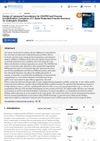 November 2023 in “ACS Omega”
 This study reported that a novel cationic liposome formulation for delivering encapsulated Cas9 protein and sgRNA successfully decreased SRD5α2 mRNA expression by 29.7% in vitro, suggesting a potential alternative treatment option for conditions like prostate cancer and benign prostatic hyperplasia without current drug side effects.
November 2023 in “Journal of Investigative Dermatology” Adipose stem cell exosomes may effectively treat atopic dermatitis by reducing inflammation and improving skin health.
 October 2023 in “Journal of the American Academy of Dermatology”
 This source reports that clascoterone cream has been approved in the U.S. for treating acne vulgaris in patients aged 12 and older, suggesting it works by competing with dihydrotestosterone at androgen receptors to mitigate acne's effects.
 October 2023 in “International Journal of Cosmetic Science”
 In this study, researchers developed WS Biotin, a new water-soluble form of biotin, and found that it significantly improves water solubility compared to free biotin and enhances hair-related keratin expression, gene activity for hair growth in vitro, while also reducing melanin content in skin cells.
 October 2023 in “Scientific reports”
 In this study, researchers found that the synthetic stress hormone dexamethasone caused opposite effects on hair growth-related proteins, reducing SFRP2 and increasing SFRP3, which respectively stimulate and inhibit hair follicle cell proliferation in human dermal papilla cells.
 September 2023 in “Journal of microbiology and biotechnology”
 This study found that low molecular weight collagen peptide from fish may promote hair growth in both human cells and mice by activating the Wnt/β-catenin signaling pathway.
 July 2023 in “Journal of the Mexican chemical society”
 This study found that Hibiscus rosa-sinensis dried leaves extract displayed the strongest pancreatic lipase inhibitory activity among 37 tested plant extracts, showing potential as an anti-obesity agent with effects comparable to the pharmaceutical drug orlistat in reducing plasma triacylglycerol levels in rats.