Search
for
Sort by
Research
30-60 / 1000+ results
research Hair Loss Profiles and Ritlecitinib Efficacy in Patients with Alopecia Areata: Post Hoc Analysis of the ALLEGRO Phase 2b/3 Study
In this phase 2b/3 trial, ritlecitinib showed effectiveness in treating alopecia areata patients with varying hair loss profiles, significantly improving patient-reported outcomes for hair regrowth and satisfaction compared to placebo, regardless of the hair loss type and extent at baseline.
research BH02 Overcoming genetic drivers in alopecia areata: hair regrowth in a patient with the AIRE gene mutation treated with ruxolitinib
This study details a case of a 20-year-old woman with APECED syndrome and alopecia areata who experienced complete scalp hair regrowth and improved quality of life after nine months of ruxolitinib treatment, highlighting the drug's effectiveness for severe AA linked to AIRE gene mutation.
research 42004 Scalp, eyebrow, and eyelash hair regrowth with continued ritlecitinib treatment among patients with alopecia areata without target efficacy response at Week 24: post hoc analysis of the ALLEGRO phase 2b/3 study
In this study, patients with alopecia areata who didn't initially respond to ritlecitinib at Week 24 showed improved response rates by Week 48, with up to 34% achieving better hair regrowth outcomes.
research A phase 2a study investigating the effects of ritlecitinib on brainstem auditory evoked potentials and intraepidermal nerve fiber histology in adults with alopecia areata
In this phase 2a study of adults with alopecia areata, researchers observed that ritlecitinib treatment did not result in significant differences in brainstem auditory evoked potential changes or axonal swelling compared to placebo, suggesting the dog toxicity findings may not be clinically relevant in humans.
research Real-world assessment of ritlecitinib in patients with severe alopecia areata: a 24-week multicentre retrospective study
This study reported that patients with alopecia areata treated with ritlecitinib in a real-life setting had a higher rate of positive response on the Severity of Alopecia Tool score compared to those in the ALLEGRO trial.
research Patterns of clinical response in patients with alopecia areata treated with ritlecitinib in the ALLEGRO clinical development programme
Ritlecitinib shows promise for treating alopecia areata, especially with early and extended treatment.
research Long‐term safety and efficacy of ritlecitinib in adults and adolescents with alopecia areata and at least 25% scalp hair loss: Results from the ALLEGRO‐LT phase 3, open‐label study
Ritlecitinib is effective and safe for treating alopecia areata, promoting significant hair regrowth.
research PRMT5 inhibition has a potent anti-tumor activity against adenoid cystic carcinoma of salivary glands
This study found that PRMT5 inhibitors showed potent anti-tumor activity in models of adenoid cystic carcinoma and that combining these inhibitors with lenvatinib may have additional growth-inhibitory effects.
research Drug Repurposing against KRAS Mutant G12C: A Machine Learning, Molecular Docking, and Molecular Dynamics Study
This study used machine learning to identify FDA-approved drugs afatinib, neratinib, and zanubrutinib as potential KRASG12C inhibitors for resistant non-small-cell lung cancer, highlighting the potential of AI in drug repurposing.
research Sustained hair regrowth with ritlecitinib to Week 48 in patients with alopecia areata: post hoc analysis of the ALLEGRO phase 2b/3 study
This study observed that most patients with alopecia areata experienced sustained scalp hair regrowth after 48 weeks of ritlecitinib treatment, with safety consistent with prior findings.
research Ritlecitinib in severe alopecia areata: a profile of its use
In this study, ritlecitinib, an oral medication approved for adolescents and adults, significantly reduced scalp hair loss and promoted eyebrow and eyelash regrowth in severe alopecia areata patients, with benefits sustained over 48 weeks and generally well-tolerated minor side effects.
research Ritlecitinib: First Approval
This article describes the development milestones and recent approvals of ritlecitinib for treating severe alopecia areata, with approvals in the USA and Japan and ongoing regulatory reviews in other regions.
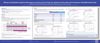
research Efficacy of Ritlecitinib in Patients with Alopecia Areata by Extent of Hair Loss: Results from the Phase 2b/3 and Phase 3 ALLEGRO Clinical Trials
This study found that ritlecitinib, taken daily, led to scalp, eyebrow, and eyelash hair regrowth in patients aged 12 and older with severe and very severe alopecia areata over a 24-month period.
research Multiomics Analysis of the Response to Ritlecitinib in Alopecia Areata Subtypes and Correlation With Efficacy
In this study, ritlecitinib treatment for 12 and 24 weeks downregulated immunity-related genes and upregulated hair keratin genes in patients with alopecia areata, correlating with scalp hair regrowth response.
research Amphiregulin in Fibrotic Diseases and Cancer
This review discusses Amphiregulin (AREG) as a potential target for treating fibrotic disorders and cancer, highlighting its role in disease progression and promising results in preclinical studies and early trials.
research 598 Response to ritlecitinib treatment based on salt improvement scores in patients with alopecia areata (AA): Post hoc analysis of the allegro phase 2b/3 study
This study found that treatment with ritlecitinib led to significant scalp hair regrowth in patients with alopecia areata at Weeks 24 and 48, with higher response rates observed in those receiving 50 mg compared to 30 mg doses.
research 75893 Long-term efficacy, complete scalp hair regrowth and normal body hair/nails in adolescents with severe alopecia areata (AA) receiving ritlecitinib up to 3 years in the ALLEGRO clinical trials
Ritlecitinib helps adolescents with severe alopecia areata regrow scalp hair and normalize body hair and nails.
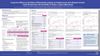
research Long-term Efficacy and Safety of Ritlecitinib in Adults and Adolescents with Alopecia Areata: 3-year Results from the ALLEGRO-LT Phase 3, Open-label Study
In this study, ritlecitinib 50-mg showed clinically meaningful efficacy, with improvements in the Severity of Alopecia Tool score observed in patients with alopecia areata over a 3-year period, demonstrating long-term benefit in both clinician- and patient-reported outcomes.

research Vandetanib
A man developed alopecia areata after starting cancer treatment with vandetanib.
research Efficacy and safety of ritlecitinib in adults and adolescents with alopecia areata: a randomised, double-blind, multicentre, phase 2b–3 trial
Ritlecitinib effectively treats alopecia areata and is well-tolerated.
research Successful Treatment of Extensive Ritlecitinib-Refractory Alopecia Areata with Upadacitinib
This report observed that a patient with alopecia areata, resistant to ritlecitinib, experienced significant recovery after 24 weeks of treatment with upadacitinib, highlighting its potential in treating ritlecitinib-resistant cases and suggesting personalized treatment strategies in managing alopecia areata.
research Ritlecitinib for the Management of Alopecia Areata: A Narrative Review of Real-World Evidence and Selected Post Hoc Analyses
This narrative review found that ritlecitinib shows consistent effectiveness and a favorable safety profile for treating alopecia areata in clinical trials and real-world settings, with progressive hair regrowth observed, particularly when treatment is initiated early and maintained appropriately.
research A phase I study of MK-5108, an oral aurora A kinase inhibitor, in both monotherapy and in combination with docetaxel in patients with advanced solid tumors.
This study found that MK-5108 is well tolerated at high doses as monotherapy in cancer patients, showing stable disease and some antitumor activity, particularly in combination with docetaxel.
research Efficacy and Safety of Ritlecitinib in Alopecia Areata: A Systematic Review and Meta-Analysis (Preprint)
This meta-analysis reports that ritlecitinib significantly improved hair growth in alopecia areata patients compared to placebo, although its potential requires further clinical exploration.
research Long-Term Efficacy of Ritlecitinib up to Month 24 From the ALLEGRO Phase 2b/3 and Long-Term Phase 3 Clinical Studies in Alopecia Areata
In this ongoing phase 3 study, ritlecitinib demonstrated sustained efficacy up to 24 months in patients aged 12 or older with alopecia areata, showing increased response rates with or without an initial loading dose and supporting its long-term use.

research ADVERSE EFFECTS OF RITLECITINIB IN ADULTS AND ADOLESCENTS WITH ALOPECIA AREATA: A LITERATURE REVIEW
This study found that ritlecitinib, approved for alopecia areata in patients aged 12 and older, has an acceptable safety profile with mild to moderate side effects and no increase in serious adverse events compared to placebo.
research Sustained Scalp, Eyebrow, and Eyelash Hair Regrowth with Ritlecitinib Through Week 48 in Patients with Alopecia Areata: Post-Hoc Analysis of the ALLEGRO Phase 2b/3 Study
This study assessed ritlecitinib's effects on sustained hair regrowth in patients with alopecia areata who showed improvement at 24 weeks, confirming ongoing benefits through 48 weeks for scalp, eyebrow, and eyelash hair regrowth in this post hoc analysis.
research 723 - Efficacy of ritlecitinib in patients with alopecia areata by extent of hair loss at baseline: post hoc analysis of the phase 3 long-term ALLEGRO-LT study
This study found that after 15 months of treatment with ritlecitinib, patients with alopecia areata and less than 95% initial hair loss experienced significant hair regrowth, though those with more extensive hair loss showed more variable improvement.
research Unraveling Ritlecitinib: an in-depth analysis of JAK3 inhibitor for the treatment of alopecia areata
This review highlights Ritlecitinib as a promising new oral treatment for Alopecia Areata, emphasizing its targeted action and potential efficacy, especially in adults and adolescents, though it notes the need for further real-world effectiveness and long-term safety studies.