Cats lose fur due to various reasons, including allergies, infections, genetics, hormones, diet, cancer, stress, and some conditions are treatable while others are not.
This article reviews the causes and diagnostic approaches for feline alopecia, emphasizing the importance of distinguishing between self-inflicted and spontaneous hair loss, but reports no new results.
9 citations
,
August 2013 in “Facial Plastic Surgery Clinics of North America”
This article reviews nonscarring and scarring hair loss conditions that may mimic androgenetic alopecia, reporting no new clinical results and highlighting the need for accurate diagnosis in hair restoration surgery.
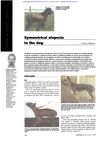
This article discusses the diagnostic approach to symmetrical alopecia in dogs, particularly focusing on conditions affecting the endocrine glands and hair follicles, without presenting new research results.
Got small bald patches they say are from stress? PP405 sprays could help bring them back to life.PP405 is an experimental topical gel from Pelage Pharmaceuticals that inhibits the mitochondrial pyruvate carrier; its registered Phase 2 trial (NCT06393452) tested it once daily in 78 adults with pattern hair loss, for safety and tolerability. It is not approved, not for sale, and has not been studied in alopecia areata or stress-related shedding.
Tried everything and still getting bald patches? Procapil may help calm the immune responseProcapil is a cosmetic ingredient complex; laboratory studies of its individual ingredients report anti-inflammatory effects, but no published clinical trial has tested it in alopecia areata or any other immune-related hair loss. Spreading bald patches should be assessed by a dermatologist.
The user discusses their experience with diffuse unpatterned alopecia and acquired progressive hair kinkering, noting improvements with treatments including biotin, pantothenic acid, finasteride, ketoconazole, and zinc pyrithione shampoo. They report thicker, healthier hair and improved scalp condition, attributing success mainly to biotin, pantothenic acid, and finasteride.
People discussed solutions for scalp itching related to hair loss, with treatments including finasteride, dutasteride, ketoconazole shampoo, and Alpecin Hybrid shampoo. Some users found relief by adjusting dosages of finasteride or switching to dutasteride, while others recommended specific shampoos or prescription options like olux foam.
A user noticed a sudden bald spot and others suggested it might be alopecia areata, often stress-induced, recommending seeing a dermatologist for steroid injections. Topical minoxidil was mentioned as a successful treatment by one user.
Severe scalp itching and hair loss, possibly linked to seborrheic dermatitis, are discussed, with treatments like Dutasteride, Finasteride, and various shampoos mentioned. Some users find relief from itching with DHT blockers like Finasteride, while others suggest consulting multiple dermatologists for accurate diagnosis.
The user added P5P (vitamin B6) to their shampoo to reduce scalp itch, which improved significantly. They have been using finasteride for hair loss but are exploring additional treatments like topical antiandrogens and prolactin inhibitors.