1 citations
,
April 2020 in “Medico-Legal Update” This study found that phenolic extract from Hibiscus rosa-sinensis flowers significantly decreased testosterone, progesterone levels, and androgen receptor expression in male rats over 60 days.
10 citations
,
March 2010 in “Journal of Food Biochemistry” This study found that Sithong-bao seed coat extract, with high phenolic content, exhibited the strongest antioxidant properties among certain Thai tamarind cultivars, suggesting potential for nutraceutical development.
 1 citations
,
January 2019 in “Journal of Pharmacognosy and Phytochemistry”
1 citations
,
January 2019 in “Journal of Pharmacognosy and Phytochemistry” This article reviews the potential health benefits of onions, highlighting their anti-inflammatory, anticancer, and antioxidant properties, but does not report any new clinical results.
May 2024 in “NATIONS UNIVERSITY INTERNATIONAL JOURNAL OF MULTI-DISCIPLINARY STUDIES” This study found that Equisetum arvense, or horsetail, water extracts prepared with polyethylene glycol in an ultrasonic bath yielded the highest levels of phenolic compounds, such as hydroxycinnamic acids and flavonoids, indicating that this method improves the release of biologically active substances.
 July 2026 in “Journal of Medicinal Plants Studies”
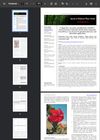
 In this study, methanolic extracts of Hibiscus rosa-sinensis showed higher phenolic and flavonoid content, as well as greater concentrations of gallic acid and quercetin, than aqueous extracts, despite the latter yielding more extract, highlighting the effectiveness of methanol for extracting bioactive phytochemicals.