Search
forLearn
1 / 1 resultsResearch
5 / 1000+ resultsresearch Human Hair Follicles Express PD-L1, Whose Expression Is Down-Regulated by EGFR and MEK Inhibitors Ex Vivo: A Potential Mechanism for EGFR Inhibitor Induced Sterile Folliculitis
EGFR and MEK inhibitors reduce PD-L1 in hair follicles, possibly causing inflammation.

research Discovery and Optimization of Novel Pyridines as Highly Potent and Selective Glycogen Synthase Kinase 3 Inhibitors
New pyridine compounds effectively inhibit GSK3, a diabetes treatment target.
research Protein Kinase C as a Therapeutic Target
Protein Kinase C shows promise for cancer treatment, but more research is needed to develop effective inhibitors.

research Factors Regulating Quiescent Stem Cells: Insights from the Intestine and Other Self-Renewing Tissues
The document concludes that stem cell inactivity is actively controlled and important for tissue repair and balance.
research Epidermal Growth Factor Receptor Mutant T790M-L858R-V948R Inhibitor from Calophyllum Inophyllum L. Leaf as Potential Non-Small Cell Lung Cancer Drugs
A compound from Calophyllum inophyllum L. leaf may help treat non-small cell lung cancer.
Community Join
2 / 2 resultscommunity New Research- Creatine Increasing Scalp DHT Without Corresponding Serum DHT Increase
Creatine may increase scalp DHT without affecting serum DHT, potentially speeding up male pattern baldness (MPB) for those genetically prone. Treatments mentioned include Minoxidil, finasteride, and RU58841.
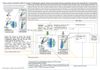
community Compressed part of research of theory of androgenic/anabolitic balance. AGA h-responders analytic. Theory of physio-metabolitic method of anti AGA treatment
The treatment for androgenetic alopecia involves using finasteride and minoxidil with intense exercise and cold exposure to boost metabolism and reduce androgenic effects, potentially leading to hair regrowth. This approach may activate biological pathways for improved hair and overall health.