2 citations
,
April 2015 in “Dermatology practical & conceptual”
2 citations
,
April 2015 in “Dermatology practical & conceptual” This case report suggests that regular use of antifungal shampoo might obscure clinical indicators of Trichophyton tonsurans tinea capitis in healthy adults, necessitating detailed diagnostic approaches like histopathology and dermoscopy.
 September 2023 in “International journal of drug delivery technology”
 This study developed and tested an herbal shampoo containing tea, ashwagandha, sandalwood, and nagarmotha, finding it exhibited good cleansing properties and effectively controlled Candida and Malassezia fungi.
 May 2024 in “Indian journal of pharmacy and pharmacology”
 This in-vitro study reported that a luliconazole-based formulation improved hair cuticle integrity and was more effective than ketoconazole in repairing damaged hair after 5 and 10 washes, with sensory analysis supporting these results. Further human studies are needed to confirm its clinical effects.
 9 citations
,
October 2013 in “Pediatric dermatology”
9 citations
,
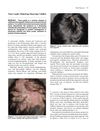
October 2013 in “Pediatric dermatology” This study highlights a dissecting cellulitis-like presentation of tinea capitis in children that should be identified to ensure correct diagnosis and treatment to prevent scarring alopecia.
 1 citations
,
January 2021 in “Our Dermatology Online”
1 citations
,
January 2021 in “Our Dermatology Online” This case report describes an adult initially diagnosed with alopecia areata but was later found to have tinea capitis, successfully treated with terbinafine and ketoconazole shampoo.