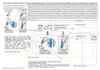
July 2026 in “Frontiers in Immunology” This research proposes a comprehensive "four-dimensional technology toolbox" for reprogramming wound-repair cells, aiming to treat chronic non-healing wounds like diabetic foot ulcers by altering fibroblasts, keratinocytes, and macrophages to regenerative phenotypes, and addressing clinical translation challenges.
July 2026 in “Italian Journal of Anatomy and Embryology” This study found that induced pluripotent stem cells derived from human keratinocytes efficiently differentiated into cardiomyocytes, forming a homogeneous population with cardiac-specific molecular and functional properties, and demonstrated significant cardiac marker expression and spontaneous contraction capabilities over 15 days of differentiation induction.
3 citations
,
June 2022 in “Cells” This study reports improved methods for harvesting and processing keratinocytes from plucked human hair, enhancing their utility in generating donor-specific induced pluripotent stem cells more efficiently and reliably.
17 citations
,
December 2019 in “Stem Cells International” This review examines the recent progress in using bioactive molecules for skin regenerative medicine and reports no new clinical results; the authors suggest this method could become a promising strategy for in situ skin regeneration.
April 2021 in “Journal of Investigative Dermatology” This study identified a unique transcriptional signature in occipital hair follicles that may protect them from miniaturization in androgenetic alopecia, using an animal-free model to investigate gene roles.