October 2024 in “Skin Appendage Disorders” This study found that serum FABP4 levels were significantly higher in alopecia areata patients compared to healthy controls and may correlate with disease severity.
6 citations
,
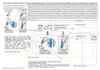
December 2022 in “Cell reports” This study found that feeding mice a high-fat diet with fish oil leads to hair loss through a mechanism involving omega-3 fatty acids and TNF-α signaling, with epidermal fatty acid binding protein playing a key role.
January 2019 in “Springer Reference Medizin” This article reviews the role of factor Xa inhibitors like Rivaroxaban and suggests they may eventually replace vitamin K antagonists, but their side effects require further clarification.
This study suggests that 9-Octadecenoic acid (Z)-, 2,3-dihydroxypropyl ester from African Yam bean seeds may inhibit the human 5α-reductase II enzyme, potentially helping manage BPH, although further studies are needed.
March 2025 in “International Journal of Molecular Sciences” This study observed that topical application of palmitate or oleate accelerated the onset of the hair growth phase in mice, whereas glycolysis end product lactate delayed it, suggesting metabolic regulation as a promising approach for influencing hair growth.