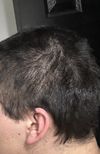
Hairloss possibly caused by a fungal infection might be treated with antifungal shampoos or oral medications. If not fungal, treatments like minoxidil or finasteride may be necessary.
Hairloss can be managed by acting early, using treatments like Minoxidil, finasteride, and possibly dutasteride, along with lifestyle changes such as using sulfate-free shampoos and eating protein-rich foods. Consulting a dermatologist and considering microneedling, vitamins, and anti-fungal shampoos are also recommended.
GT20029, a new hairloss treatment, shows promising results but only a slight improvement over placebo. People are cautiously optimistic, discussing its potential and combining it with existing treatments like Minoxidil and Finasteride.
Hairloss in men is primarily caused by androgenetic alopecia, with treatments like finasteride and dutasteride often recommended. Other causes include stress, nutritional deficiencies, medications, and scalp infections.
A 30-year-old man shares his successful hairloss protocol, which includes finasteride, Nizoral shampoo, low-level laser therapy, microneedling, and past use of oral minoxidil. He plans to consider dutasteride and possibly hair transplants in the future, while advising caution with crown transplants before age 35.
In this report, a 51-year-old woman with systemic lupus erythematosus presented with recurrent joint pain and irregular patches of hairloss, raising differential diagnoses of androgenetic alopecia, lupus-related alopecia, or seborrheic dermatitis.
3 citations
,
October 1982 in “Postgraduate Medicine”
This article discusses objective methods for assessing hairloss and notes that most types of hairloss can regrow without treatment, but effective treatments for pattern or senescent alopecia remain unavailable.
This case report details a 17-year-old female with anorexia nervosa who presented with a large, irregular area of pubic hairloss exhibiting various hair and skin abnormalities.
July 2024 in “Berkala Ilmu Kesehatan Kulit dan Kelamin”
This study highlights the importance of identifying the various causes of hairloss in children to enable accurate diagnosis and management, emphasizing that proper treatment, including psychosocial support, can prevent a decline in their quality of life.
1 citations
,
January 2021 in “Nihon rinsho hifukaikai zasshi”
This article discusses the diagnostic methods for differentiating alopecia areata from similar hairloss conditions and emphasizes the importance of accurate diagnosis, but it reports no new research findings.
How does folic acid support hair follicle health and growth at a cellular level?Folate is required for the DNA synthesis that fast-dividing hair matrix cells depend on, and severe deficiency causes anemia—but no published trial has given folic acid to people with hair loss and measured the result, so a growth effect is a mechanism, not a finding.