 March 2024 in “International Journal of Cosmetic Science”
 This study observed that dandruff-affected scalp skin has increased T-cell infiltration in the epidermis and a reduction in the hair follicle's physiological immune privilege, particularly in the suprabulbar outer root sheath area, indicating a distinct immune microenvironment compared to healthy scalp.
July 2025 in “Journal of Investigative Dermatology” Alopecia areata involves complex immune cell interactions, especially between CD8+ T cells and macrophages, which could help develop new treatments.
 October 2023 in “Regular and Young Investigator Award Abstracts”
 This study found that Baricitinib significantly reduced hair loss and immune response in a mouse model of alopecia areata.
This study found that UV radiation-induced fibroblast depletion in the skin is primarily due to a deregulated inflammatory response, with T cells aiding fibroblast survival under stress.
 9 citations
,
February 2022 in “Nature communications”
9 citations
,
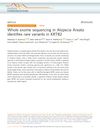
February 2022 in “Nature communications” This study identified KRT82 as a significant Alopecia Areata risk gene, finding that rare damaging variants are linked to elevated immune cell infiltration around hair follicles in affected individuals.