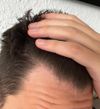
TLDR A young woman with kidney cancer experienced rare hair loss from a cancer drug and unusual cancer spread, suggesting early drug treatment might reduce spread and prolong survival.
The document described a rare case of a 22-year-old female with renal cell carcinoma that progressed unusually to include carcinomatosis peritoneii and a Krukenberg tumor, and who developed alopecia as a side effect of sunitinib therapy. The patient's alopecia was attributed to sunitinib after ruling out other causes. The case underscored the complexity of managing side effects in targeted cancer therapies and suggested that adjuvant tyrosine kinase inhibitors post-tumor resection might reduce metastasis and improve progression-free survival. Despite switching to sorafenib, the patient eventually died of progressive disease.
192 citations
,
January 2015 in “Journal of the American Academy of Dermatology” Targeted cancer therapies often cause serious skin problems that need careful management.
88 citations
,
July 2014 in “Journal of the American Academy of Dermatology” Targeted cancer therapies often cause skin reactions, so dermatologists must manage these effects.
22 citations
,
May 2011 in “European Journal of Cancer” The drug combination was safe and showed promise in treating advanced tumors.
508 citations
,
June 2009 in “Current drug metabolism” Tyrosine kinase inhibitors effectively treat cancers but often cause skin and other side effects.
16 citations
,
March 2013 in “JAMA Dermatology” A cancer drug called nilotinib might cause hair loss due to inflammation around hair follicles.
New cancer drugs can cause skin side effects like rashes, dry skin, hair changes, and nail problems.
42 citations
,
April 2012 in “Seminars in Oncology” Targeted cancer therapies often cause skin problems that need careful management to improve patient quality of life and treatment success.
December 2025 in “Biomedicines” Tyrosine kinase inhibitors for endocrine tumors often cause skin issues, requiring early management and treatment adjustments.
2 citations
,
November 2024 in “JAAD reviews.” Certain drugs can change hair color, either lightening or darkening it.