Longitudinal Clinical Course, Treatment Outcomes, And Relapse Patterns In Alopecia Areata: A Prospective Cohort Study
November 2025
in “
Figshare
”
TLDR Baseline severity, disease activity, and relapse history are key to predicting response and recurrence in alopecia areata.
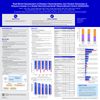
This prospective cohort study followed 400 patients with alopecia areata (AA) and 80 healthy controls over 52 weeks to assess the natural history, treatment outcomes, and relapse patterns of AA. By week 52, 31.8% of patients experienced a relapse, with a median relapse time of 28 weeks. The Severity of Alopecia Tool (SALT) scores improved significantly, with 62.5% achieving SALT50 and 28.3% achieving SALT90 by week 24. Factors such as active disease, shorter duration, and younger age predicted better outcomes. Quality-of-life indices improved significantly, and imaging biomarkers enhanced the prediction of therapeutic response. The study concludes that baseline severity, disease activity, and relapse history are key determinants of response and recurrence in AA, suggesting that standardized severity scores and imaging biomarkers can enhance personalized care and therapy evaluation.