Systematic characterization of the barrier function of diverse ex vivo models of damaged human skin
December 2024
in “
Frontiers in Medicine
”
TLDR Damaged skin has a weakened barrier, making it more vulnerable to substances and inflammation.
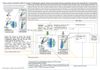
The study systematically characterized the barrier function of ex vivo models of damaged human skin using treatments like SDS, ethanol, tape stripping, and surgical masks to simulate skin damage. It found that these treatments significantly compromised skin barrier integrity, as indicated by decreased transepithelial electrical resistance (TEER) and increased transepidermal water loss (TEWL). Tape stripping notably increased dermal absorption of substances like Lucifer yellow. Molecular analysis revealed decreased expression of barrier proteins and increased inflammatory markers. A skin barrier repair product tested showed limited efficacy, particularly after SDS-induced damage. The study highlights the importance of maintaining skin barrier health, especially with increased hygiene practices during the COVID-19 pandemic, and calls for further research to standardize ex vivo models and explore the skin microbiome's role in barrier function.