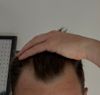
M 27 - stuck on what to do with hair 8/27/2026
A 27-year-old male is considering options for hair loss, including treatments like minoxidil, finasteride, and possibly a hair transplant. Suggestions include using topical minoxidil with finasteride, ketoconazole shampoo, and exploring hairstyles like a mid skin fade.
View this post in the Community →
Similar Community Posts Join
6 / 6 resultscommunity Three months on topical fin/min and red light therapy daily, ketoconazole shampoo once a week
The user is using a topical spray with finasteride and minoxidil, red light therapy, and ketoconazole shampoo for hair loss, and is considering waiting a year before getting a hair transplant. Other users suggest microneedling, using oral treatments, and investing in a laser helmet for better results.
community 7 months progress. Minoxidil + Dermaroller + Finastride + Biotin + Ketoconazole
The user shared their seven-month hair loss progress using minoxidil, finasteride, biotin, ketoconazole shampoo, and a dermaroller, reporting no side effects and recommending the routine before considering a hair transplant. They use topical treatments daily and wash their hair every two to three days, with plans to continue the routine for another five months.
community 38M Seeking Advice on Minoxidil/Finasteride and Hair Transplants
A 38-year-old male is experiencing temple hair loss and is considering treatments like topical Finasteride and Minoxidil, despite concerns about side effects and shedding. He is also contemplating a hair transplant and seeking advice on additional shampoos or supplements.
community Finasteride x Minoxil Topical Hair Loss
The user is using a combination of finasteride, minoxidil, ketoconazole, pumpkin seeds, laser therapy, PRP, dermaroller, and vitamins for hair loss. They are advised to switch to oral finasteride and be patient, as results may take up to a year, with a hair transplant as a potential future option.
community Can I get my hair back? I'm 18, I'm on oral finastride and topical minoxidil
An 18-year-old is using oral finasteride, topical minoxidil, ketoconazole shampoo, and tretinoin for severe hair loss and is considering adding dutasteride. Despite concerns about starting finasteride at a young age, the user prioritizes preventing further hair loss over potential hormone issues.
community Questions on Minoxidil and Finasteride Efficacy After 10 Years of Hair Loss
Topical minoxidil with finasteride can help focus treatment on the scalp, with shedding being normal initially. Foam minoxidil is easier to apply, PRP's effectiveness varies, and anti-dandruff shampoos like ketoconazole are beneficial for scalp health.
Related Research
6 / 6 resultsresearch Medical Therapy for Female Pattern Hair Loss (FPHL)
This commentary explores the challenges and considerations in treating female pattern hair loss, with no new clinical findings reported.
research Female pattern hair loss
Female pattern hair loss, common in women, can be treated with various methods like minoxidil, anti-androgen treatments, and light therapy, but early intervention and realistic expectations are crucial.
research Pilot Study of 15 Patients Receiving a New Treatment Regimen for Androgenic Alopecia: The Effects of Atopy on AGA
This pilot study found that a novel regimen including NuH Hair led to significant hair growth in male patients with androgenic alopecia, regardless of atopy status, with quicker results when additional treatment components were used.
research Minoxidil: a comprehensive review
This study reported that while topical minoxidil exhibits hair regrowth in androgenetic alopecia, oral minoxidil 5 mg/day was more effective than topical forms after six months, with low doses also potentially effective for women and other hair loss types.
research Overactive bladder in men
This chapter discusses the increasing prevalence of overactive bladder in aging men, examining potential causes and treatment options, without reporting new clinical results.
research Treatment of frontal fibrosing alopecia and lichen planopilaris: a systematic review
This study reported that while no effective treatment exists for frontal fibrosing alopecia, oral 5-alpha-reductase inhibitors showed the most promise, inducing a good clinical response in 45% of patients.