If you cannot tolerate fin, are natural oil even worth it 7/21/2025
Minoxidil and finasteride are effective for hair loss, but natural oils like pumpkin seed oil and saw palmetto are not proven to be effective. Topical finasteride may be an option for those who cannot tolerate oral finasteride.
View this post in the Community →
Similar Community Posts Join
5 / 5 resultscommunity How to correctly dose Saw Palmetto and Pumpkin Seed Oil
The user takes 1 mg finasteride three times a week, topical minoxidil daily, and Saw Palmetto both topically and orally on non-finasteride days. They recently added 1 g of pumpkin seed oil daily to improve hair thickness and are seeking advice on dosing and cycling Saw Palmetto.
community thoughts on topical Saw Palmetto oil
The user is considering topical Saw Palmetto or Pumpkin Seed Oil due to sensitivity to finasteride and cost issues. They also use dermastamping for Minoxidil absorption and seek advice on timing to avoid systemic absorption.
community Need a transplant? Currently taking minoxidil, saw palmetto and pumpkin seed oil.
The user is considering a hair transplant while currently using minoxidil, saw palmetto, and pumpkin seed oil. Others suggest using finasteride or dutasteride for better results and to prevent further hair loss.
community will the switch to fin be worth it?
The user is considering switching from saw palmetto and pumpkin seed oil to a topical finasteride and minoxidil combo for hair loss, questioning if it's worth it and whether to stop the capsules. Users suggest stopping the herbal treatments and trying finasteride, noting minoxidil's effectiveness and potential side effects of oral finasteride.
community A person advised me to use pumpkin seed oil instead of minoxidil?
Pumpkin seed oil is not a substitute for minoxidil; it acts more like finasteride as a DHT blocker. Minoxidil is necessary for hair growth, and combining it with treatments like PRP or saw palmetto may be beneficial.
Related Research
6 / 6 results
research Inhibitory Effects of Pueraria mirifica Aqueous Extracts on 5α-reductase and Prostate Histomorphometry in Testosterone-induced Benign Prostatic Hyperplasia Sprague Dawley Rats
This study found that aqueous extract of Pueraria mirifica, when administered to a rat model, significantly reduced prostate weight, prostatic index, and serum dihydrotestosterone levels, while also improving prostate histomorphology, suggesting its potential as an anti-BPH treatment.

research Do non-prescription products help in managing androgenic alopecia?
Researchers reviewed 13 clinical trials on non-prescription monotherapies like procyanidin and cetirizine for androgenetic alopecia, finding potential improvements in hair density and diameter, but emphasized the need for more robust trials to confirm efficacy and safety.

research Male and female pattern hair loss
In this study, the authors highlighted treatments for androgenetic alopecia, noting that combination therapies with drugs like minoxidil and antiandrogens often require at least 6 months for clinical improvement, while also emphasizing the value of patient counseling for informed treatment choices.
research The beneficial effects of Pumpkin (Cucurbita pepoL.) seed oil for health condition of men
This review discusses the potential benefits of pumpkin seed oil for men's health, particularly in conditions such as benign prostatic hyperplasia, overactive bladder, and androgenic alopecia, but reports no new clinical results.
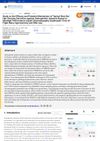
research Study on the Efficacy and Potential Mechanism of Topical Shen Bai Hair Growing Decoction against Androgenetic Alopecia Based on Ultrahigh Performance Liquid Chromatography Quadrupole Time-of-Flight Mass Spectrometry and RNA-seq
This study found that the topical Shen Bai hair growing decoction may improve androgenetic alopecia in mice by suppressing TNF-α and IL-6 levels, enhancing follicle density, and reducing apoptosis.
research An overview of herbal alternatives in androgenetic alopecia
This review discusses the potential of herbal treatments like Saw palmetto, Green tea, and Rosemary as alternatives to conventional drugs for androgenetic alopecia, noting that these herbs may inhibit the 5-alpha-reductase enzyme and reduce hair loss with fewer side effects.