I guess positive results overall? Progress story 4/21/2020
The user shared positive hair regrowth results using Minoxidil 5% and stinging nettle root over six months. They avoided finasteride due to concerns but are open to using it if needed.
View this post in the Community →
Similar Community Posts Join
5 / 5 results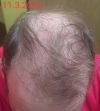
community My Experience with Saw Palmetto, Minoxidil, and Side Effects at 32
The user replaced finasteride with saw palmetto due to availability issues and experienced side effects, leading to adjustments in their regimen. They use saw palmetto, minoxidil, Nizoral, and a dermaroller, reporting reduced side effects and some benefits, with hair fall ranging from 5 to 20 hairs daily.
community To the late responders of finasteride. How long did it take to finally see results?
Finasteride can take over a year to show results, with some users seeing significant improvements after 1.5 to 3.5 years. Patience is key, and combining treatments like minoxidil may help.
community There's a guy called Dr. Berg on YouTube who recommended a bunch of supplements for hair health and preventing hair loss. I wrote them all down. Before I buy, can anyone tell me if anything here is BS?
A user asked about Dr. Berg's recommended supplements for hair health, including Vitamin C, trace minerals, Omega 3, collagen, silica, B-vitamins, stinging nettle root, B6, B2, copper, and Vitamin D. Responses advised against following Dr. Berg, labeling him a quack, and suggested that only stinging nettle root might help with DHT, while the rest are only beneficial if deficient.
community 3 months on minoxidil / derma rolling. Both pictures immediately after shower
User had good results with minoxidil and derma rolling for hair loss in 3 months. Others suggest adding finasteride to maintain progress.
community This sub is very toxic towards people who don’t blindly follow the fin mafia
The conversation criticizes the negative attitude towards those concerned about side effects from hair loss treatments like finasteride and minoxidil, or who prefer natural remedies. Specific treatments discussed include finasteride, minoxidil, rosemary oil, and RU58841, with an agreement that finasteride and minoxidil are proven effective.
Related Research
6 / 6 results
research SYSTEMATIC REVIEW ON SYNTHETIC AND HERBAL MEDICATIONS FOR THE TREATMENT OF ALOPECIA
This study reviews the performance and safety of synthetic medications like minoxidil and finasteride compared to herbal remedies such as saw palmetto for treating alopecia, highlighting the need for more research to better understand their therapeutic roles and optimize patient care.
research Hair loss and herbs for treatment
This review summarizes causes and treatments of androgenetic alopecia with a focus on herbs as potential alternatives, but reports no new results and suggests more research is needed to validate these options.
research A Comprehensive Review on Phytochemistry and Pharmacological Effects of Stinging Nettle (Urtica dioica)
This review explores the phytochemistry and phytopharmacology of Urtica dioica but reports no new experimental findings, focusing on its traditional uses and range of bioactive constituents.
research A Platform for Determining Medicinal Plants with Targeted 17β-Hydroxysteroid Dehydrogenase Modulation for Possible Hair Loss Prevention
In this study, researchers developed a novel platform for discovering potential hair loss inhibitors by investigating the testosterone/dihydrotestosterone biosynthetic pathway and its regulation through biochemical mechanisms involving 17β-HSD and 3β-HSD, combined with medicinal plant extracts.
research Evaluation of 5α-reductase inhibitory activity of certain herbs useful as antiandrogens
This study identified several herbs, including Ganoderma lucidum and Urtica dioica, that showed promising 5α-reductase inhibitory activity suggesting potential use in managing androgenic disorders.
research Efficacy, Tolerability, and Superiority of Propylene Glycol-Free, North American Witch-Hazel (Hamamelis virginiana)-Based Solution of 5% Minoxidil Sulfate for the Treatment of Female Androgenetic Alopecia
In this study, 70% of female androgenetic alopecia patients who did not respond to standard minoxidil experienced clinical improvement after switching to a propylene glycol-free, witch hazel-based 5% minoxidil sulfate solution, with the treatment also being well-tolerated.