Holding out for a miracle drug 5/22/2026
A 41-year-old male has been using a combination of treatments for hair regrowth, including finasteride, minoxidil, a laser cap, ketoconazole shampoo, and rosemary oil, with some progress noted. He is maintaining his current regimen in hopes of a future miracle drug while considering hair transplants and other treatments like dutasteride and copper peptides.
View this post in the Community →
Similar Community Posts Join
5 / 5 resultscommunity Ranking the best treatments for hair growth
Effective hair growth treatments include finasteride, minoxidil, dutasteride, and hair transplants, with additional options like microneedling, low-level laser therapy, and PRP showing some benefits. Newer treatments such as GHK-Cu peptides and ketoconazole shampoo are promising, while others like saw palmetto and biotin are less effective unless deficiencies exist.
community 27yo one year of fin/min/nizoral. Basically zero results, this is how it goes sometimes
A 27-year-old has been using finasteride, minoxidil, and ketoconazole shampoo for a year with no significant hair improvement. Suggestions include switching to dutasteride and trying oral minoxidil.
community What is the ultimate hair regrowth protocol
The conversation covers aggressive hair regrowth treatments like Dutasteride, Minoxidil (oral and topical), RU58841, microneedling, and ketoconazole shampoo. It also mentions PRP, laser therapy, GHK-Cu injections, and hormone therapy for maximum regrowth.
community Lost ground on Dut, Min, RU, etc (5 yrs… 2021->2026)
The user has been using a combination of treatments including Dutasteride, Minoxidil, RU58841, ketoconazole shampoo, microneedling, and low-level laser therapy to address hair loss but continues to experience shedding and density loss. Despite high testosterone and iron levels, the user is frustrated with the lack of improvement and is considering adjusting treatment or exploring other options like a hair transplant.
community Ketocanzole 2% has almost completely recovered my hair loss
Ketoconazole 2% shampoo effectively regrew hair by treating scalp dermatitis and inflammation. The user also used jojoba and oat oil, Aveeno moisturizer, and hyaluronic acid for scalp care.
Related Research
6 / 6 results
research Evidence-based (S3) guideline for the treatment of androgenetic alopecia in women and in men – short version
This guideline review by the European Dermatology Forum evaluates current treatments for androgenetic alopecia but reports no new research findings, aiming to assist dermatologists in selecting safe and effective therapies.
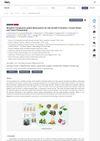
research Bioactive Compound-Loaded Nanocarriers for Hair Growth Promotion: Current Status and Future Perspectives
This review highlights various plant-based and herbal treatments that reportedly help prevent hair loss and encourage hair growth. It also explores the molecular mechanisms, identified plant compounds, recent technologies such as nanoarchitectonics, and patents related to hair growth promotion.
research Treatment options for androgenetic alopecia: Efficacy, side effects, compliance, financial considerations, and ethics
This review discusses treatment options for androgenetic alopecia, highlighting the need for personalized, evidence-based approaches but reports no new clinical results.

research The shifting preferences of patients and physicians in nonsurgical hair loss treatment
This study analyzed trends in consumer and physician interest in nonsurgical hair loss therapies, finding that internet searches for treatments like minoxidil and low-level laser therapy increased over time, influenced by regulations and social media.
research Interventions for female pattern hair loss
This review found that while topical minoxidil is effective for treating female pattern hair loss, finasteride showed no more effectiveness than placebo, and low-level laser therapy increased hair count but with inconsistent results.
research Male and female pattern hair loss: Treatable and worth treating
In this overview, the authors note that both pharmacologic and nonpharmacologic treatments are effective for pattern hair loss, emphasizing early detection and intervention to maintain hair.