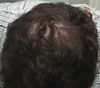
Finasteride vs RU58841 vs Dutasteride for MPB, Diffuse Thinning, or Retrograde Alopecia Minoxidil 4/25/2024
The user is seeking advice on the best treatment for male pattern baldness, diffuse thinning, and retrograde alopecia, comparing the effectiveness of finasteride, RU58841, and dutasteride, and considering whether to add minoxidil or switch to dutasteride or combine treatments. They are currently on finasteride and are contemplating if adding RU58841 or switching to dutasteride is better, and also asking about the comparison between pyrilutamide and RU58841.
View this post in the Community →
Similar Community Posts Join
5 / 1000+ resultscommunity DHT Itch is real. The connection between Acne and Male Pattern Baldness shows this
The conversation discusses the link between seborrheic dermatitis, acne, and male pattern baldness, suggesting that DHT may cause both skin conditions and hair loss. Treatments mentioned include RU58841, finasteride, dutasteride, minoxidil, Nizoral shampoo, and other topical anti-androgens.
community Male pattern baldness, and mental health
A 48-year-old man has been using minoxidil for 15 years and considered finasteride but stopped due to potential side effects. He is concerned about his mental health and the impact of hair loss on self-image, and he encourages support among men experiencing hair loss.
community Diffuse thinning is so fucked. Change in my from March til now
The user experienced significant hair thinning despite using finasteride and minoxidil, leading to concerns about whether it's a temporary shed or a more serious issue. They plan to start using RU58841 and are advised to consult a doctor to rule out other causes like autoimmune disorders.
community Diagnosed with female pattern hair loss as a male with recent aggressive loss. Preemptively mourning the only part of myself I’ve ever come close to loving. Lost all motivation to do anything with my life.
The conclusion of the conversation is that the user should consider using treatments such as finasteride, minoxidil, and RU58841 to potentially reverse their hair loss. Other suggestions include using hair loss concealers and maintaining a healthy diet.
community Female, 30, PCOS diagnosis, MPB Norwood 2. Endo refuses to give anything other than Spironolactone. Feel like I’m at my wit’s end here.
A 30-year-old female with PCOS and male pattern baldness is frustrated with her endocrinologist's recommendation of only Spironolactone and minoxidil, feeling that dutasteride, finasteride, and progesterone would be more effective. Other users suggest various online sources for treatments, warn against self-medicating due to potential risks, and recommend seeking a specialized endocrinologist or considering additional treatments like Inositol, Berberine, and dermaneedling.
Related Research
6 / 1000+ results
research Female Pattern Hair Loss: An Overview with Focus on the Genetics
Different genes cause Female Pattern Hair Loss compared to male hair loss, and treatments vary, but more research is needed to understand it fully.
research The role of androgen and androgen receptor in skin-related disorders
Targeting androgen receptors could be a promising way to treat skin disorders with fewer side effects.
research Potential targets in the discovery of new hair growth promoters for androgenic alopecia
The document concludes that targeting 5α-reductase, the androgen receptor, and hair growth genes, along with using compounds with anti-androgenic properties, could lead to more effective hair loss treatments.
research Types of Hair Loss and Treatment Options, Including the Novel Low-Level Light Therapy and Its Proposed Mechanism
Hair loss treatments include medications and new methods like low-level light therapy, which may work by boosting cell activity and blood flow.
research Plasma Zinc Levels in Males with Androgenetic Alopecia as Possible Predictors of the Subsequent Conservative Therapy’s Effectiveness
Lower zinc levels may predict less effective hair loss treatment.
research Drug discovery for alopecia: gone today, hair tomorrow
Topical drugs and near-infrared light therapy show potential for treating alopecia.