finasteride not working help ! Finasteride/Dutasteride 6/12/2024
A user is experiencing worsening hair loss despite using finasteride, PRP treatments, and supplements like vitamin D, biotin, zinc, and iron. They are seeking advice on whether to continue with finasteride, increase the dosage, or try additional PRP sessions.
View this post in the Community →
Similar Community Posts Join
5 / 5 resultscommunity What do you think about my treatment ( female)
A woman with androgenetic alopecia is using a treatment of topical finasteride with 7% minoxidil, spironolactone, and supplements like iron, vitamin D, biotin, and zinc. She is considering additional treatments like PRP and laser therapy but has not seen significant hair regrowth yet.
community Please take a vitamin & hormone test
Checking vitamin and hormone levels is important for addressing hair loss, as deficiencies in vitamin D, zinc, and iron can affect hair growth. Treatments like finasteride, minoxidil, and vitamin supplements are used, but addressing deficiencies is crucial for effectiveness.
community Apart from Finasteride, Minoxidil, and Microneedling what are you doing to reverse balding?
Various treatments for hair loss include minoxidil injections, finasteride, dutasteride, microneedling, Nizoral shampoo, and supplements like vitamin D and biotin. Additional methods mentioned are red light therapy, scalp massages, lifestyle changes, and hair transplants.
community Why do people downplay vitamin deficiency when 94% of Americans are vitamin D deficient?
The conversation is about the role of vitamin deficiencies in hair loss and the effectiveness of treatments like Minoxidil, finasteride, and RU58841. It concludes that while vitamins and nutrition are important, they are not the primary solution for androgenic alopecia.
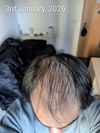
community 21M (‘05) - Monthly Progress Journal (Since Jan 2, 2026) | Oral Fin/Min + Scalp Optimization
A 21-year-old has been using daily oral finasteride, minoxidil, biotin, and vitamins since January 2026 for hair loss, adding topical treatments and microneedling in May. They observed initial shedding and scalp issues but noted significant progress after adjusting their routine.
Related Research
6 / 6 resultsresearch A Systemic Review on Topical Marketed Formulations, Natural Products, and Oral Supplements to Prevent Androgenic Alopecia: A Review
This review discusses current topical treatments, natural products, and complementary therapies for androgenetic alopecia, but it reports no new clinical results.
research Medical Treatment of Alopecia
This article reviews various treatments for alopecia, highlighting that minoxidil, finasteride, PRP therapy, and hair transplants are the most commonly used options, but it reports no new clinical results.
research Diet and hair loss: effects of nutrient deficiency and supplement use
This article addresses the need to screen for nutrient deficiencies in patients with hair loss but reports no new findings, noting that supplementation without deficiency may not be beneficial and could pose risks.
research Hair Loss in Men and Women
The document concludes that ongoing medical therapy is crucial for preventing hair loss, and surgical options can restore hair, with future treatments for hair loss being promising.
research Common Causes of Hair Loss and Their Treatment Options
This paper reviews the effectiveness and side effects of various treatments for androgenetic alopecia, telogen effluvium, and alopecia areata, emphasizing the importance of discussing each option's costs, benefits, and risks with patients.
research A decade of progress in androgenetic alopecia management: Emerging therapies and multimodal strategies
This review reports that the treatment of androgenetic alopecia is shifting from single therapies to personalized, multimodal approaches incorporating both traditional and emerging pharmacologics, regenerative strategies, nutraceuticals, cosmeceuticals, and device-based interventions, with combination regimens showing improved outcomes.