Ditch the pills and surgery, gentlemen:) Satire 7/24/2026
The conversation humorously discusses hair loss treatments, mentioning electric stimulation and oral microneedling. It suggests skepticism towards traditional methods like pills and surgery.
View this post in the Community →
Similar Community Posts Join
5 / 5 resultscommunity Reminder: NURTURE those dormant hair follicles for as long as you can until PP405 comes out in 2028-2030
PP405 is anticipated as a future treatment for dormant hair follicles, but its effectiveness and safety are uncertain. Current treatments include oral minoxidil and microneedling, with some avoiding finasteride due to side effects.
community If you aren't happy with your results but haven't tried microneedling: why not?
Microneedling with minoxidil significantly boosts hair growth, even for non-responders to minoxidil alone. The routine includes a 1.5mm dermaroller weekly and minoxidil twice daily, with some users adding finasteride and tretinoin.
community Attention Guys, I highly recommend everyone to add this to your daily routine
Adding a daily scalp massage with an acupressure device before applying minoxidil can enhance its effects by improving blood circulation, with no side effects. Users are advised to continue microneedling weekly and consider using a derma stamp to avoid scarring.
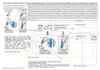
community Compressed part of research of theory of androgenic/anabolitic balance. AGA h-responders analytic. Theory of physio-metabolitic method of anti AGA treatment
The treatment for androgenetic alopecia involves using finasteride and minoxidil with intense exercise and cold exposure to boost metabolism and reduce androgenic effects, potentially leading to hair regrowth. This approach may activate biological pathways for improved hair and overall health.
community Peptides that Stop Hair Loss? | In-depth Literature Review Video
Peptides like TB500, KPV, GHK-CU, and BPC-157 are overhyped for hair growth with limited proven effectiveness in humans. Combining peptides with delivery methods like iontophoresis and sonophoresis shows promise, but many claims remain unproven.
Related Research
6 / 6 resultsresearch ALOPÉCIA COMO MANIFESTAÇÃO PÓS-COVID-19: IMPLICAÇÕES CLÍNICAS, FATORES DE RISCO E ESTRATÉGIAS FISIOTERAPÊUTICAS PARA REABILITAÇÃO CAPILAR
This study reviewed interventions for post-COVID-19 alopecia and concluded that integrated physiotherapeutic strategies, including photobiomodulation, micro-needling, electrotherapy, and scalp massage, can reduce hair loss and improve hair density, contributing positively to patient quality of life.
research Cosmetic Approach for Men
This chapter reviews differences in dermatological treatments and conditions between male and female patients, particularly noting the impacts of sex steroids on various skin processes, but presents no new clinical findings.
research Female pattern hair loss: therapeutic update
This article reviews treatment options for female-pattern hair loss, noting the limited evidence for most therapies and emphasizing that topical minoxidil remains the only well-supported option despite a significant non-response rate.
research Microneedling for Androgenetic Alopecia: A Synergistic Strategy Enhancing Drug Delivery and Follicular Regeneration
This review indicates that while microneedling shows potential for managing androgenetic alopecia, particularly in combination with other treatments, the existing evidence is of low to moderate quality, and more robust trials are needed to confirm its clinical efficacy and safety.
research Microneedling: A means of collagen induction therapy
This review discusses the use of microneedling with a dermaroller for treating acne scars, hair loss, and wrinkles, and reports no new clinical results.
research Recent Advances in Microneedling-Assisted Cosmetic Applications
This review highlights the use of microneedling devices and patches to deliver cosmetic agents through the skin, noting their applications in skin rejuvenation and safety considerations such as potential skin irritation and infection.