Diluting 0.05% topical finasteride serum/oil 8/8/2023
The user wants to reduce their dose of topical finasteride to 0.1-0.2mg and is considering mixing 0.2ml of their current finasteride + minoxidil serum with 0.8ml of a minoxidil-only serum for better scalp coverage. They are asking for advice on whether this method is effective or if there's a better way to dilute the finasteride solution.
View this post in the Community →
Similar Community Posts Join
6 / 6 resultscommunity My case study: DHT serum levels unresponsive to higher topical fin dosages.
The user has been using liposomal topical finasteride since late 2022, progressively increasing the dose, but DHT serum levels remain largely unchanged. Despite using finasteride, minoxidil, microneedling, and ketoconazole, hair condition has neither improved nor worsened.
community Ulo low dose dut/fin hair serum
The user experienced severe sexual side effects from topical finasteride with minoxidil but found no side effects with low-dose dutasteride and finasteride serums from Ulo after a hair transplant. They also used a hair growth serum with saw palmetto without side effects.
community 14 months on Fin, Total T 899, serum DHT 276 — high total T may still drive scalp DHT even when blood levels look controlled
A 23-year-old male has been using finasteride and topical minoxidil for 14 months with slight improvement, but recent shedding led him to switch to a new minoxidil formulation without success. He is considering using topical RU58841 or dutasteride to better address scalp DHT, as his bloodwork shows high total testosterone and mid-range DHT levels.
community Suggestions on Making DIY Topical Finastride at HOME.
The conversation discusses making DIY topical finasteride using a hair tonic with various ingredients and suggests alternatives like Jatamansi powder, Sandalore, and products like Bare Anatomy Expert Advanced Hair Growth Serum and RevivHair Max Hair Stimulating Serum. It also mentions using topical dutasteride and minoxidil for hair growth.
community Nuclear stack: 2.5mg dutasteride vs 0.5mg dutasteride + topical finasteride/dutasteride/spironolactone for male pattern baldness
The conversation discusses using 2.5mg dutasteride, 0.5mg dutasteride with topical treatments, and other combinations like oral minoxidil, RU58841, and microneedling for male pattern baldness. Users share experiences and suggest various treatment regimens, emphasizing the effectiveness of dutasteride and minoxidil.
community 7 months progress on topical finasteride + minoxidil solution
The user shared their 7-month progress using a topical solution of finasteride and minoxidil for hair loss, noting some improvement in hair thickness but acknowledging poor photo quality. They plan to switch to a combination of topical dutasteride, finasteride, and minoxidil, hoping for better results.
Related Research
6 / 6 results
research Comparative Efficacy of Minoxidil and 5‐Alpha Reductase Inhibitors Monotherapy for Male Pattern Hair Loss: Network Meta‐Analysis Study of Current Empirical Evidence
This study found that among various treatments for male androgenetic alopecia, dutasteride 0.5 mg/day was the most effective option overall. Additionally, among FDA-approved treatments, topical minoxidil 5% was the most effective topical therapy, and finasteride 1 mg/day was the most effective oral therapy.
research CLINICAL UPDATES IN HAIR
This chapter reviews various antiandrogens and androgen inhibitors, detailing their mechanisms, uses, and side effects, with a focus on spironolactone, finasteride, dutasteride, and oral contraceptives.

research The current treatments and perspectives for androgenetic alopecia
This review discusses current treatments for male androgenic alopecia, focusing on finasteride and minoxidil, and highlights the need for evidence-based information amidst widespread unverified claims.
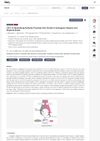
research CXCL12 Neutralizing Antibody Promotes Hair Growth in Androgenic Alopecia and Alopecia Areata
This study found that subcutaneous injection of a CXCL12 neutralizing antibody significantly promoted hair growth in androgenic alopecia and inhibited hair loss in alopecia areata in mouse models, suggesting its potential as a promising treatment for hair loss.
research Minoxidil: a comprehensive review
This study reported that while topical minoxidil exhibits hair regrowth in androgenetic alopecia, oral minoxidil 5 mg/day was more effective than topical forms after six months, with low doses also potentially effective for women and other hair loss types.

research Guava (Psidium guajava L.) Leaf Extract as Bioactive Substances for Anti-Androgen and Antioxidant Activities
This study suggests that guava leaf extract may inhibit hair loss by downregulating genes involved in androgen synthesis, potentially offering a natural alternative for treating androgenetic alopecia.