Can single hairs follicules be able to produce two hairs once again with treatment? Never saw a study about that. Finasteride/Dutasteride 6/19/2024
The conversation is about whether treatments like finasteride, dutasteride, and minoxidil can make single hair follicles produce multiple hairs again. The user is curious if these medications can thicken hair and prolong the growth phase.
View this post in the Community →
Similar Community Posts Join
6 / 6 resultscommunity Early Signs - Notes for diffuse thinners
Diffuse thinning is often due to androgenetic alopecia, and DHT blockers like finasteride are recommended. Treatments mentioned include minoxidil, finasteride, dutasteride, and RU58841, with emphasis on starting early and using a holistic approach.
community Best science-backed supplements for androgenetic alopecia? Looking for real evidence
The conversation discusses treatments for androgenetic alopecia, focusing on evidence-based supplements to complement finasteride. Suggestions include oral minoxidil, saw palmetto, pumpkin seed oil, tocotrienols, and various other supplements, while emphasizing the importance of scientific backing and cautioning against saw palmetto if already using finasteride.
community The Real Cause Of Androgenetic Alopecia
Androgenetic alopecia is caused by DHT affecting hair growth. Finasteride and minoxidil are used to manage hair loss by blocking DHT and promoting hair growth.
community My Theory Of Androgenic Alopecia
Hair loss is linked to cellular physiology and the IGF-1 to TGF-B1 ratio, not just androgen sensitivity. The theory lacks evidence, while finasteride and minoxidil are effective treatments.
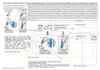
community Compressed part of research of theory of androgenic/anabolitic balance. AGA h-responders analytic. Theory of physio-metabolitic method of anti AGA treatment
The treatment for androgenetic alopecia involves using finasteride and minoxidil with intense exercise and cold exposure to boost metabolism and reduce androgenic effects, potentially leading to hair regrowth. This approach may activate biological pathways for improved hair and overall health.
community Why Fin/Dut Isn't Working for You GPR133: a new hairloss mechanism + Steroid Hair Loss Deep Dive
Hair loss may be linked to the GPR133 receptor, independent of the androgen receptor pathway. Treatments like finasteride, dutasteride, minoxidil, RU58841, and KX-826 show varying results, with hair loss persisting due to high testosterone and GPR133's role.
Related Research
6 / 6 resultsresearch The inflammatory component of androgenetic alopecia
This article discusses hormonal mechanisms underlying androgenetic alopecia but does not report any new findings; it reviews the roles of dihydrotestosterone and available FDA-approved treatments.
research Androgenic alopecia and differential diagnoses of alopecia
This paper describes androgenic alopecia as a hereditary form of hair loss influenced by androgens, outlining its diagnosis, treatment options like minoxidil and finasteride, and the importance of psychological support due to its impact on quality of life.
research Alopecia androgenética: aspectos etiopatogênicos, métodos diagnósticos e condutas terapêuticas
This review discusses the characteristics, causes, diagnosis, and treatment options for androgenetic alopecia and emphasizes the importance of managing expectations due to the variability in therapeutic outcomes.
research B‐ RAF , naevi and melanoma: a complex relationship
Male hair loss is mainly due to thinner hair, not less hair.
research Th,-e mechanistic insights into the application of retinoids and possible adjunct therapeutic treatment to androgenic alopecia
This study discusses the potential of topical retinoids, vitamin A derivatives, to improve treatment outcomes for androgenetic alopecia by promoting hair growth through extending the anagen phase and stimulating follicular activity, offering a promising approach when combined with existing therapies.
research Psychological Effect, Pathophysiology, and Management of Androgenetic Alopecia in Men
This article reviews the clinical, psychological, and management aspects of androgenetic alopecia in men, stating that it can be effectively managed by generalist clinicians with pharmacotherapy and surgical advancements.