36M - 1 year on Dut after being on Fin for 5-6 years. 4/4/2026
A 36-year-old switched from Finasteride to Dutasteride after 6 years due to thinning hair, adding oral Minoxidil for regrowth. Dutasteride improved hair thickness with fewer side effects, while Finasteride caused anxiety and back pain.
View this post in the Community →
Similar Community Posts Join
6 / 6 resultscommunity Am I crazy for thinking finasteride's done nothing for me? 18 y/o vs. 21 (10 months finasteride + minoxidil)
Finasteride and minoxidil have helped maintain hair density and possibly improved coverage, though results vary and regrowth can take time. Some suggest trying dutasteride and oral minoxidil for more significant regrowth.
community I thought I’d be the perfect candidate for regrowth since I only had diffuse thinning on my crown. 9 months later of Oral Min and Fin and I’m worse off than when I started.
The user experienced worsening hair loss despite using oral minoxidil, finasteride, and topical minoxidil for nine months. They are considering switching to dutasteride and reducing ketoconazole shampoo due to its drying effects.
community Switched from Finasteride to Dutasteride. Hair thinning
The user switched from finasteride to dutasteride and experienced hair thinning, which is expected during the transition. They are using ketoconazole shampoo, considering dermarolling, and adding topical minoxidil to their routine.
community I miss looking at the mirror and thinking "Okay I'm definitely balding, but if I could keep my current amount of hair for the rest of my life, I'd be happy."
The user noticed hair loss in 2019 and started using finasteride in July 2021, later adding Minoxidil, derma rolling, and Nizoral, but saw no regrowth. They recently began taking vitamins D, C, iron, and zinc, while another user suggested trying dutasteride, though it may have more side effects.
community Taking HRT medication not only cured my thinning hair, it gave me better hair than I ever had before
Hormone replacement therapy with spironolactone and estradiol significantly improved hair thickness and growth, surpassing previous treatments like dutasteride, finasteride, and minoxidil. The user experienced regrowth in receded areas and a more youthful appearance.
community Dutasteride 8 months see through hair
The user has been using dutasteride for 8 months, oral minoxidil for 3 years, and topical minoxidil on temples, with recent microneedling. They experienced thinning after switching from finasteride to dutasteride and are hoping for improvement by the 12-month mark.
Related Research
6 / 6 results
research Astragalus membranaceus and Cinnamomum cassia Stimulate the Hair Follicle Differentiation-Related Growth Factor by the Wnt/β-Catenin Signaling Pathway
In this study, researchers observed that the YH complex, made from Astragalus membranaceus and Cinnamomum cassia, promoted hair regrowth and increased hair shaft thickness in mice, potentially through increased growth factors and Wnt/β-catenin signaling, suggesting its use for treating various forms of hair loss.
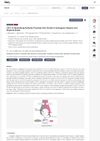
research CXCL12 Neutralizing Antibody Promotes Hair Growth in Androgenic Alopecia and Alopecia Areata
This study found that subcutaneous injection of a CXCL12 neutralizing antibody significantly promoted hair growth in androgenic alopecia and inhibited hair loss in alopecia areata in mouse models, suggesting its potential as a promising treatment for hair loss.
research Investigating the Safety and Efficacy of Platelet-Rich Plasma (PRP) Treatment for Female Androgenetic Alopecia: Review of the Literature
This review discusses the use of platelet-rich plasma for treating female androgenetic alopecia, reporting that it shows high patient satisfaction and improved quality of life in affected women.
research Minoxidil: a comprehensive review
This study reported that while topical minoxidil exhibits hair regrowth in androgenetic alopecia, oral minoxidil 5 mg/day was more effective than topical forms after six months, with low doses also potentially effective for women and other hair loss types.

research Guava (Psidium guajava L.) Leaf Extract as Bioactive Substances for Anti-Androgen and Antioxidant Activities
This study suggests that guava leaf extract may inhibit hair loss by downregulating genes involved in androgen synthesis, potentially offering a natural alternative for treating androgenetic alopecia.

research A review of hormonal therapy for female pattern (androgenic) alopecia - eScholarship
This review explores potential treatments for female androgenetic alopecia, noting that anti-hormonal therapies may be beneficial for some women, but emphasizes the need for further research and effective solutions.